How to control cattle lice? A few practical methods to teach you
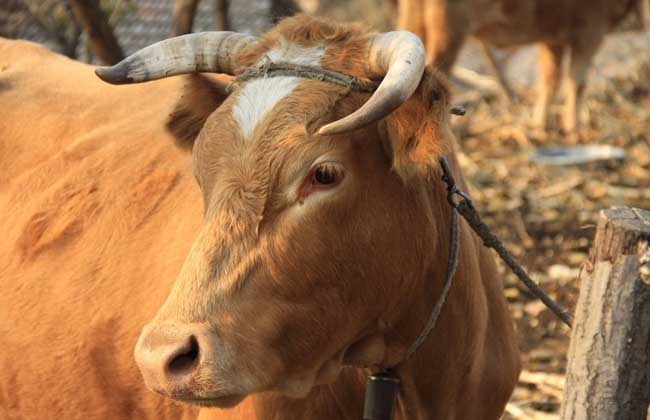
Cattle lice are external parasitic diseases commonly occurring in cattle in winter and spring. The larvae and adults suck blood on the body surface of cattle, causing anemia or malnutrition in cattle and making them restless, thus seriously affecting the growth, development and health of cattle. Among them, blood-sucking lice are more common and cause more serious harm. Let us take a look at the control methods for cattle lice below!
Symptoms of cattle lice
Sick cattle appear restless, and their feeding and resting are affected. They become emaciated, and the milk yield of dairy cows decreases. Due to body itching, calves often lick and suck the affected areas, which can cause wool-eating habit. Over time, hairballs form in the stomach, affecting appetite and digestive function as well as causing other serious diseases. Under severe infection with biting lice, the itching is intense, and the affected cattle appear restless and rub themselves, affecting feeding and resting.
Prevention of cattle lice
Factors such as intensive rearing, poor sanitation of livestock sheds and cattle bodies, high humidity, and molting in autumn and winter are conducive to the growth and reproduction of cattle lice and can promote their spread and infection. To prevent cattle lice, work such as strengthening feeding management and environmental disinfection, and cleaning cattle bodies should be carried out, with regular inspections. Sick cattle with cattle lice should be isolated promptly, and newly introduced cattle should first undergo quarantine and isolation inspection.
Treatment of cattle lice
1. 0.5% to 1% trichlorfon aqueous solution, sprayed on the cattle body.
2. Sulfur powder is directly sprinkled on the cattle body.
3. Ivermectin at 200 micrograms per kilogram of body weight, prepared into a 1% solution, for subcutaneous injection.