Detailed Explanation of Key Technical Points for Preventing Frostbite in Dairy Cows in Winter
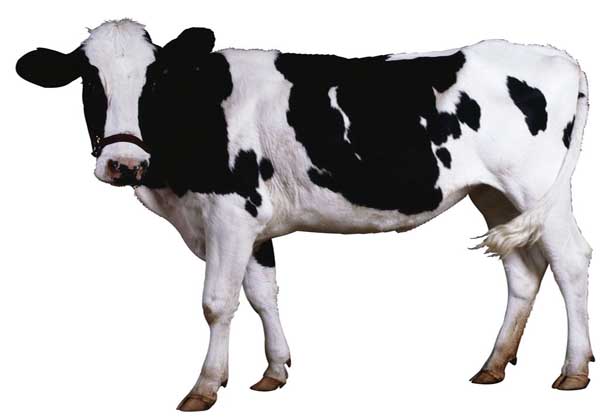
When raising dairy cows in the cold season, prolonged exposure to low temperatures can easily cause frostbite in cattle. This is most commonly seen when cattle are tied outside the pen in cold wind for long periods without moving, or when kept in open pens or free-range systems. Even in housed conditions, if the environment is damp and cold, and cattle are exposed to cold drafts and left hungry without adequate feeding, frostbite of the limbs can occur. The exposed extremities such as ears, nose, tail, limbs, udder, teats, vulva, scrotum, and prepuce are especially vulnerable to frostbite. However, this is often overlooked by people.
Harm of Frostbite to Cattle
Harm of Superficial Frostbite: After the skin is frozen, blood vessels contract strongly, causing tissue ischemia, and the skin turns from pale to blue-purple. After rewarming, blood vessels dilate, the skin becomes congested, and the frostbitten area experiences burning pain and itching, with redness, swelling, heat, and pain. In severe cases, blisters of varying sizes form, with transparent fluid and severe pain. After two to three weeks, the blisters dry up and form scabs. When the scabs fall off, new skin covers the wound surface.
Harm of Deep Frostbite: The full thickness of the skin and subcutaneous tissue undergoes frozen necrosis, with frostbite extending deep to the bones. The necrotic area ulcerates, turns black and dry, and eventually the boundary between the necrotic part and healthy tissue separates, with the necrotic part rotting and sloughing off.
Treatment of Frostbite
Treatment of Superficial Frostbite: After minor superficial frostbite occurs, do not immediately use fire or soak in hot water. Apply baijiu (Chinese liquor) or chili pepper by smearing, several times a day. Alternatively, massage the skin with camphor alcohol or boric acid alcohol, or use ultraviolet irradiation. If it occurs on the limbs, a folk remedy can be used: add 10 times water to chili peppers, eggplant stalks, and dried ginger, bring to a boil, and when the water temperature drops to 45 degrees, pour into a bucket and soak, for more than 10 minutes each time, twice a day. If blisters are present at the frostbitten area, they can be drained with a sterile syringe, and 30% boric acid can be applied as a local wet compress. After drying, apply 10% sulfur ichthammol ointment once a day. If there is ulceration, apply Vaseline or lard etc. and bandage with gauze. When the frostbitten area is swollen, apply 1% iodine solution or camphor ointment, iodine glycerin, etc.
Treatment of Deep Frostbite: Measures should be taken as early as possible to reduce tissue necrosis and prevent infection. When frostbite occurs, rewarm the affected area as soon as possible by soaking the affected limb in an iron bucket of warm water, heating to 38°C to 42°C within 5 to 10 minutes, and slightly elevating the frostbitten area to reduce edema. For large and deep frostbite, use antibiotics to prevent infection. In severe frostbite, novocaine block can be used to promote early sloughing of necrotic tissue and early wound healing. When frostbite is infected, remove the necrotic tissue and perform proper disinfection and wound management.
Management of Chilblains
For chilblains occurring on the udder, teats, ears, nose, and genital area, do not soak in hot water or roast over fire, because necrosis can easily occur before the blood vessels recover. For chilblains, gently rub with alcohol cotton balls, until the skin becomes slightly red, to promote blood circulation and resolve stasis. If ulceration has already occurred, remove the necrotic part, disinfect, and apply chilblain ointment to keep warm and prevent heat loss.
Emergency Management of Frozen-Stiff Cattle
When cattle become frozen stiff, especially calves born outdoors or calves in poorly insulated barns, they should be quickly carried into a warm room, washed with warm water as soon as possible, and massaged to promote blood circulation. At the same time, inject camphor water or Coramine and other cardiotonic agents, and give the affected animal hot tea water as soon as possible. If it cannot drink, use a gastric tube to administer baijiu (Chinese liquor) to warm the affected animal. For severely affected animals, when necessary, glucose solution warmed with hot water can be infused, and for breeding stock of economic value, blood transfusion can be used for rescue.
Protection Against Frostbite in Cattle
Body Protection for Cattle: In the cold season, strengthen body protection for cattle. Whether grazing outside or exercising, apply Vaseline, lard, etc. to the extremities prone to frostbite such as ears, udder, and teats for protection. For lactating dairy cows and dry cows, it is best to wear cotton udder covers, which are extremely effective. When dairy cows go outside in winter, they should have appropriate activity to keep warm and promote blood circulation, and should not stand still for long periods.
Build Warm Housing for Dairy Cows: To protect dairy cows through the winter safely, warm cow sheds must be built. Do not use free-range raising. Reduce heat loss from the cow's body. Feed a full-price, balanced, nutritious mixed ration, increase energy by 10% and fat feed by 5%, feed the cows to satiety, and provide warm water to drink, enhancing cold resistance.
Timely Treatment: Cattle with frostbite should be treated promptly. Regardless of which method is used for treatment, attention must be paid to keeping the cow shed and the frostbitten area of the cow warm to prevent refreezing.