What are the prevention and treatment methods for common diseases of beef cattle?
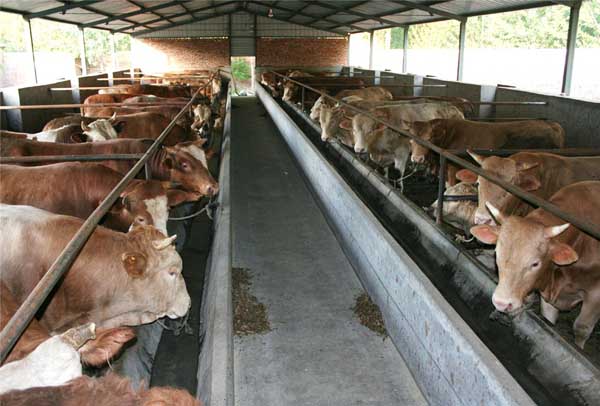
In beef cattle production, lack of exercise leads to a decline in their own immunity, and the occurrence of diseases is unavoidable. Here are several common diseases as follows:
Infectious diseases
1. Foot-and-mouth disease
[Epidemiology] It occurs throughout the year.
[Symptoms] Body temperature rises to 40—42 degrees, oral mucosa is red, swollen and ulcerated, with blisters.
[Treatment] After onset, inject antiviral drugs for a 5-day course, 2-3 courses. For oral inflammation, use penicillin plus streptomycin 16 million + 5 million + Banlangen 300ml, administer until the oral inflammation disappears.
2. Contagious pleuropneumonia
[Cause] Mainly occurs during the barn-feeding period of beef cattle, in poor environments, and during transport.
[Symptoms] Acute: abdominal breathing, with typical pleuropneumonia symptoms, high fever, serous or purulent nasal discharge, due to difficulty breathing it easily makes a “heng” sound, and palpation of the intercostal spaces shows pain. Chronic: appetite fluctuates, frequent dry cough, edema in the chest, under the abdomen and in the neck.
[Treatment] Treat with florfenicol injection. Treat with compound lincomycin hydrochloride plus spectinomycin sulfate + gentamicin.
3. Bovine viral diarrhea
[Epidemiology] Mainly occurs in cattle aged 4-24 months, most frequently at the transition between winter and spring.
[Symptoms] Acute: sudden onset, body temperature rises to 40—42 degrees, ulceration of the nasal planum and oral mucosa; necrosis of the tongue epithelium, foul-smelling breath, and then severe diarrhea, watery, with fibrinous pseudomembranes and blood. Chronic: characterized by persistent or intermittent diarrhea and ulceration of the oral mucosa, some with skin fissures, localized hair loss and epidermal keratosis.
[Treatment] When conditions permit, vaccination for prevention; at onset, treat with antibiotics and sulfonamide drugs. Because of long-term virus carriage, affected animals should be culled.
4. Ruminal impaction
[Cause] Due to excessive feeding of concentrate and insufficient drinking water, causing insufficient gastric juice secretion, food stagnates in the stomach, making the stomach as hard as stone.
[Treatment] In acute cases, perform rumenotomy. In chronic cases, stop feeding for 2-3 days, administer stomachics by drench 2-3 times, and inject stomachic drugs intramuscularly.
5. Ruminal tympany (bloat)
[Cause] Due to eating easily fermentable forage or feed with too high a crude fiber content. This causes constipation in the intestine, blocking gas expulsion, and excessive gas produced in the stomach cannot be expelled, resulting in bloating in the stomach.
[Treatment] Use a trocar to puncture and release gas, and remove the intestinal obstruction.
6. Diarrhea
[Cause] The causes of diarrhea are varied, including excessive drinking water, during the course of illness. Stop fermentation. There is contamination from workers' salt drench drinking, and transmission in the later stage of dietary indigestion.
[Symptoms] Feces are thin as water, large intestine sounds are enhanced, and excessive gas is produced in the intestine.
[Treatment] In summer, control water intake, do not drink pond surface water, use Qinjunjing (maduramicin) in drinking water or fleroxacin in drinking water, and inject acetylmequine injection intramuscularly. For infectious diseases, treat the same as infectious diseases. If distillers' grains are fed in improper amounts, it easily causes acidosis and diarrhea. When feeding distillers' grains, add sufficient baking soda to relieve poisoning. At the same time, mix stomachic powder into the feed to feed the sick cattle, in sufficient amount.
Respiratory diseases
1. Common cold
[Symptoms] Clear nasal discharge or pus, body temperature rise is not obvious, belonging to upper respiratory tract symptoms.
[Treatment] Use florfenicol injection as the main treatment and bupleurum injection as auxiliary treatment.
2. Pneumonia
[Cause] Mainly climatic variability pneumonia and foreign body pneumonia, plus poor ventilation.
[Treatment] Strengthen cold protection and warmth measures, increase exercise, prevent overwork, promptly remove foreign bodies during feeding, and the medication is the same as above.
Limb diseases
1. Foot rot (interdigital necrosis)
[Cause] Due to poor environmental conditions in the barn, combined with the above factors, feces cannot be removed in time, and the hind limbs bear too much weight.
[Treatment] If suppuration occurs, after draining the pus, inject penicillin + streptomycin + Houttuynia cordata at 2:1/10mL into the pus cavity; use for 2-3 consecutive days.
2. Limb sprain
[Cause] Caused by cattle competing with each other for territory.
[Treatment] VB 20ml, Antongding 20mL, and apply hot compress.
Central nervous system diseases
1. Heatstroke
[Cause] Mostly occurs in the “sanfu” season, due to direct sunlight or poor air circulation, causing excessive heat in the body and stuffiness.
[Treatment] Detect promptly, drench with 2-3 watermelons or drip cold well water once between the two swellings, avoid washing the whole body with cold water. Use exhaust fans to improve air circulation. In severe cases, first inject Caffeine Sodium Benzoate 20mL, then proceed according to the situation.