What kinds of dairy cow feed additives are there?
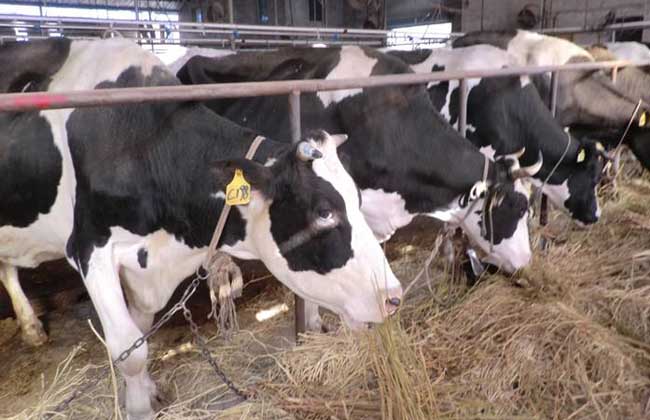
At present, China's dairy cow industry has achieved considerable development. With the continuous expansion of dairy cow farming scale, farm owners are paying more and more attention to production performance such as milk yield and milk fat percentage, as well as health status. Dairy cow feed additives have obvious effects on increasing milk yield, improving milk composition and reducing milk production stress, and will certainly receive widespread attention. Let's take a look together below!
Silage additives
Some additives are often added during the silage process to improve the quality and palatability of silage. Commonly used additives include: non-protein nitrogen, enzyme preparations, bacterial inoculants and preservatives. Non-protein nitrogen preparations mainly include urea and ammonium sulfate. After adding non-protein nitrogen, the color and smell of the silage are somewhat worse, but feeding this silage to cows can increase milk yield and milk fat content. Adding compound enzyme preparations can significantly improve the fermentation quality of rice straw silage, and the best effect is achieved when wheat bran (6-9%) and compound enzyme (1.3 g/kg DM) are added simultaneously. Adding lactic acid bacteria preparations can increase the lactic acid content and reduce the acetic acid content of corn silage. For alfalfa silage, it can significantly reduce the pH value and the contents of butyric acid and ammonia nitrogen, and significantly improve silage quality. In recent years, green juice fermented liquid has been developed. As a purely natural lactic acid bacteria inoculant, under anaerobic conditions, it can allow wild lactic acid bacteria to multiply in large numbers and show higher fermentation stability. Adding formic acid preservatives can significantly improve the effective degradation rates of dry matter, crude protein, neutral detergent fiber and acid detergent fiber in alfalfa silage.
Choline
Choline is usually classified as a B vitamin. Natural choline generally exists in feed ingredients, but its content can vary depending on cultivation conditions. Most animals have the ability to synthesize choline, but this ability is affected by the activity of enzymes related to choline synthesis and decomposition in the animal body. In dairy cow nutrition, the roles of choline include minimizing the incidence of fatty liver, improving nerve conduction and serving as a methyl donor. Adding choline also has the effect of saving methionine; otherwise, methionine in the feed will be used for choline synthesis. When animals lack choline, symptoms such as breathing disorders, behavioral disorders, loss of appetite and slowed growth can occur.
Amino acid additives
Research in recent years has shown that dairy cows also have problems with small intestinal amino acid imbalance, mainly because lysine and methionine cannot meet the needs of dairy cows. By changing the small intestinal amino acid pattern, the production performance and protein utilization of ruminants can be improved. The requirement for small intestinal digestible amino acids for maintenance of dairy cows is 2.3 g/W0.75, and the requirement for small intestinal digestible amino acids per kg of milk (containing 3.0-3.3% crude protein) is 41-45 g. For high-yielding dairy cows producing more than 30 kg of milk per day, the minimum requirements for lysine and methionine are 6.5% and 2.0% of total small intestinal digestible amino acids, respectively. Due to the degradation of amino acids by rumen microorganisms, amino acid supplements for dairy cows must be products that have undergone protective treatment. At present, rumen-protected lysine and methionine products are already available on the market.
Feed enzyme preparations
Enzymes are biological catalysts produced by activated cells that catalyze specific biochemical reactions. Enzyme preparations are biological products with catalytic functions obtained after enzymes are purified and processed. Feed enzyme preparations refer to enzyme preparations added to animal diets to improve nutrient digestion and utilization, reduce anti-nutritional factors, or produce functional components with special effects on animals.
1. Single enzyme preparations: These are further divided into digestive enzyme preparations (amylase, saccharifying enzyme, protease, lipase) and non-digestive enzyme preparations (cellulase, hemicellulase, pectinase).
2. Compound enzyme preparations: At present, using enzyme preparations to improve the digestion and utilization rate of feed ingredients is of great significance for solving the serious shortage of feed ingredient resources in China and reducing environmental pollution. For example, adding enzyme preparations to calf diets can significantly improve the digestibility of starch and crude protein in the diet, and adding compound enzyme preparations can significantly increase daily gain and reduce the diarrhea rate. Feeding cellulase to growing cattle and adult cattle increased roughage intake by 8-10%, reduced fecal nitrogen by 30% initially and by 70% after one week, and reduced urinary nitrogen content by 60%. Adding cellulase compound enzyme at 53 g/(head·day) to dairy cow diets increased average daily milk yield by 4.5%, decreased the milk-to-feed ratio by 4.32%, and had no effect on milk composition.
Yeast culture
Yeast culture is a mixture including live yeast cells and the medium used to culture yeast. Aspergillus oryzae and Saccharomyces cerevisiae are currently commonly used strains for preparing yeast culture at home and abroad. Yeast culture can stimulate the reproduction of rumen cellulolytic bacteria and lactic acid-utilizing bacteria, change the mode of rumen fermentation, reduce rumen ammonia concentration, and increase microbial protein yield and feed digestibility. Under heat stress, adding yeast culture to the diet can reduce the rectal temperature of dairy cows. Adding yeast culture to dairy cow diets can increase daily milk yield by 1-1.5 kg, and milk fat percentage and milk protein percentage also increase to varying degrees.
Live bacterial preparations
Live bacterial preparations, also called direct-fed microbials, are a class of live microbial preparations that can maintain the balance of the animal gastrointestinal microbial flora. They mainly include Bacillus, Bifidobacterium, Streptococcus, Bacteroides, Peptococcus, etc. The dosage forms of live bacterial preparations include powders, pills, pastes and liquids. The application of live bacterial preparations in dairy cows can increase milk yield by 3-8%, reduce stress and enhance disease resistance.
Rumenin
Rumenin, also known as monensin, belongs to the polyether antibiotics and is a commonly used ionophore for changing the type of rumen fermentation. It was first applied to beef cattle. Trials on growing cattle and first-calf cows showed that it can increase weight gain by 6-14%, with no adverse effects on reproductive performance, calving process or calf birth weight. Because growth rate is accelerated, young cows can be bred and calve earlier, thus saving a large amount of feed costs. When applied to dairy cows, it can reduce the production of acetic acid, butyric acid and methane in the rumen, increase the production of propionic acid, synthesize more glucose, and provide more precursors for lactose synthesis, thereby increasing milk yield. The mechanism by which rumenin improves ruminant production performance is related to changing the production proportion of volatile fatty acids in the rumen and reducing methane production. The production responses are improved feed conversion efficiency, reduced heat increment, alleviated heat stress, saved protein, and changed rumen fill and rumen digesta outflow rate.
Rumen buffers
Because high-yielding dairy cows have a relatively large concentrate intake throughout lactation, an appropriate amount of buffers such as baking soda and magnesium oxide needs to be added to the diet to improve feed intake, milk yield and milk composition of high-yielding dairy cows, maintain dairy cow health, reduce the occurrence of rumen acidosis, and regulate and improve the effect of rumen microbial fermentation.
1. Baking soda: Supplementing high-yielding dairy cows with baking soda during peak lactation has obvious effects on preventing metabolic diseases such as diabetes and rumen acidosis. The effect is especially better for cows fed silage year-round and with a high proportion of concentrate. Start supplementing after calving and continue until the end of lactation. The supplemental amount is 1.5-2% of the concentrate amount, that is, mix 150-200 g of baking soda into every 10 kg of feed. Do not feed it alone.
2. Magnesium oxide: Add at 0.2-0.4% of the dry matter weight of the diet or 0.3-0.6% of the concentrate amount. Alternatively, mix 2-3 parts sodium bicarbonate with 1 part magnesium oxide and add at 0.6-0.8% of the dry matter of the diet or 1.6-2.6% of the concentrate amount.
Anti-stress agents
Stress refers to an emergency response made by dairy cows to adverse stimuli such as transport, preventive immunization, high temperature, humidity, cold, calving and lactation. High-yielding dairy cows are relatively sensitive to stresses such as high temperature, cold, parturition and lactation. Therefore, before the above situations occur, the levels of trace elements with anti-stress effects in the diet, including manganese, iron, copper, zinc, iodine and cobalt, should be increased to about 1 times the normal level, which can effectively enhance the anti-stress ability of high-yielding dairy cows. Research in recent years has found that organic chromium (chromium picolinate) has a good anti-stress effect on high-yielding dairy cows. It can also improve energy metabolism, increase the utilization of manganese, iron, copper and zinc, and activate the activity of multiple enzymes. The suitable supplemental concentration is 0.2 mg of chromium per kg.
Isoacids
Adding 1% isoacid additives to the concentrate of high-yielding dairy cows can significantly increase milk yield, while also increasing milk fat percentage and feed conversion efficiency. These substances mainly include isovaleric acid, isobutyric acid and isohexanoic acid.
Propylene glycols
Adding or directly drenching propylene glycol substances such as propylene glycol, ethylene propylene glycol and isopropylene glycol in the diet of high-yielding dairy cows can effectively reduce and prevent the occurrence of ketosis.
Rare earth
Adding 40-45 mg of rare earth to the concentrate of dairy cows can increase the daily milk yield of dairy cows by 11-15%, while also increasing milk fat percentage, enhancing disease resistance of dairy cows and preventing gastrointestinal diseases.
Zeolite
Zeolite appears to boil when heated at high temperature, hence the name zeolite. When used for dairy cows, zeolite can adsorb harmful gases in the gastrointestinal tract and slowly release the adsorbed ammonium ions for the rumen to synthesize bacterial protein, increasing the production and deposition of body protein. In addition, zeolite has an enhancing effect on body enzymes and improves the utilization of crude fiber by rumen microorganisms. Adding 4-7% zeolite to dairy cow concentrate can increase milk yield by about 8%.