What are the prevention and treatment methods for gastrointestinal diseases in cattle
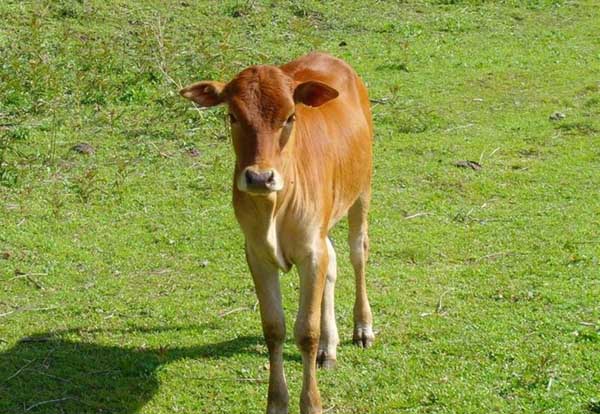
In cattle farming, gastrointestinal diseases mainly include esophageal obstruction, rumen atony, ruminal tympany (commonly known as bloating), rumen impaction, traumatic reticuloperitonitis, omasal impaction, gastroenteritis and pericarditis, etc. The prevention and treatment methods for these diseases are described in detail below.
Esophageal obstruction
1. Causes and symptoms: It is caused by the esophageal lumen being suddenly blocked by swallowed oversized lump feed, such as carrots, sweet potato-type root tubers, or cake feed that has not been broken up and softened. There is a sudden loss of appetite, the head and neck are stretched out, drooling, coughing, continuous chewing with attempts to swallow that cannot succeed, head shaking, and restlessness. It can be divided into two situations: obstruction of the anterior esophagus and obstruction of the thoracic esophagus. Anterior esophageal obstruction can be felt on the side of the neck, while thoracic obstruction can be diagnosed by the fluctuating feel of saliva-filled esophagus.
2. Treatment: The main goal is to promptly expel the esophageal obstruction and restore patency. This includes: the method of removing the obstruction through the mouth (push the obstruction toward the oral cavity and then have one person remove it with the hand from the oral cavity). The pushing method: use an esophageal probe to push the thoracic esophageal obstruction downward into the stomach. The air-insufflation method: insert a stomach tube into the esophagus and then insufflate air, or insert while pushing to achieve the purpose of pushing the obstruction. The forced exercise method: tie the cattle's head together with the pastern of the forelimb, then force the cattle to exercise for 20-30 minutes, using neck muscle movement to promote the obstruction into the rumen.
3. Prevention: Mainly standardized feed processing. Processing root tuber feed to a certain degree of fragmentation can eradicate this disease.
Rumen atony
Weak contraction of the forestomach wall in cattle, with reduced or absent excitability.
1. Causes and symptoms: Long-term large-scale feeding of coarse, hard, difficult-to-digest feed; overeating rich, poor-quality, moldy and deteriorated distiller's grain feed; insufficient exercise, deficiency of vitamins and minerals; secondary to rumen impaction, tympany, traumatic reticuloperitonitis, parturient paresis, etc. Early stage: decreased appetite, weak or lost gastric motility, reduced rumination frequency and later cessation, intermittent bloating. Later stage: discharge of black feces, dry lumps, covered with mucus, foul-smelling, sometimes alternating dry and loose, showing symptoms of acidosis. Most animals that do not recover after long illness turn to enteritis, passing brown loose feces.
2. Treatment: To expel forestomach contents, use laxative and anti-fermentation agents, such as sodium sulfate, alcohol, ichthammol, or 1000 milliliters of soybean oil. To strengthen forestomach motility, administer tartar emetic (potassium antimony tartrate) and nux vomica, combined with rumen massage and traction exercise. When acidosis symptoms appear, use glucose saline, sodium bicarbonate, and caffeine sodium benzoate by intravenous injection.
Ruminal tympany (commonly known as bloating)
It is mainly caused by cattle consuming large amounts of easily fermentable feed, producing large amounts of gas, with eructation being blocked, causing rapid excessive distension of the rumen.
1. Causes and symptoms: The primary type is mainly due to consumption of large amounts of easily fermentable feed, such as: the first grazing in early spring or barn feeding of large amounts of young, tender, succulent forage, especially legume forage, or ingestion of spoiled and deteriorated feed. Secondary to esophageal obstruction, omasal atony and impaction, abomasal ulcer and torsion, traumatic reticuloperitonitis, etc. Generally the onset is acute, with rapid increase in abdominal circumference, most obvious at the left flank, tympanic sound on percussion, and on auscultation rumen motility is initially increased, then weakened, and even disappears.
2. Treatment: The main approach is to expel rumen gas and stop fermentation, combined with systemic therapy such as fluid infusion. In mild cases, lead the cattle to a slope with the front high and rear low, raise the cattle's head high and pull the tongue by hand to induce eructation, combined with fist massage of the rumen. In severe cases, rumen trocarization can be performed to release gas. Gas release should start slowly to prevent cerebral anemia; a cardiac stimulant can be injected before the procedure. Half an hour after gas release, anti-fermentation drugs can be given orally. Such as: ichthammol, alcohol, castor oil, fennel oil; concentrated saline can be used, and caffeine sodium benzoate can be injected intravenously to stimulate gastrointestinal function.
Rumen impaction
Caused by the rumen being excessively filled with feed, exceeding normal capacity, with distension of the rumen wall, nervous paralysis, loss of rumen motor function, and inability to move contents onward.
1. Causes and symptoms: Consumption of excessive coarse feed, sudden feed change with good palatability, stealing feed, eating too much after excessive hunger, or eating too quickly. Secondary to rumen atony, omasal impaction, traumatic reticuloperitonitis, abomasal displacement, torsion, etc. Early stage: appetite, rumination, and eructation decrease or stop, mental depression, restlessness when lying down and standing up, arching of the back and kicking at the abdomen, and other abnormal postures. Abdominal distension with the left flank full, on palpation the rumen contents are hard, and pressing with the hand leaves an indentation. If there are no complications, body temperature is not elevated, breathing is tense and rapid, heartbeat is accelerated, and when acidosis occurs there is coma and visual disturbance.
2. Treatment: Fast for 1-2 days, but do not restrict drinking water. After appetite and rumination return, gradually feed a small amount of soft forage. To promote rumen motility, on the one hand use traction exercise, and on the other hand perform rumen massage 3-4 times daily, 0.5 hour each time. Combined drug therapy is mainly purgative; secondly, promote rumen motility. Sodium sulfate or magnesium sulfate made into an 8%-10% aqueous solution is given by drench, 500-800 grams each time, or castor oil. For rumen acidosis, sodium bicarbonate solution is injected intravenously.
Traumatic reticuloperitonitis
Ingestion of sharp foreign bodies along with feed, such as: wire ends, iron nails (needles), etc., which pierce the reticulum and cause reticulitis.
1. Causes and symptoms: Eating too quickly, insufficient chewing, foreign bodies swallowed with feed sink into the reticulum and damage the reticulum wall. When cattle are in late pregnancy and straining during parturition, rumen distension and increased abdominal pressure cause foreign bodies to pierce and penetrate the reticulum wall, pass through the diaphragm and reach the pericardium, causing pericarditis. Before the foreign body pierces the stomach wall, no clinical symptoms appear. After piercing the wall, symptoms suddenly appear: appetite and rumination frequency decrease, milk production drops abruptly, rumen motility is weak or absent. The animal is highly depressed, and the sick cow mostly stands still, with trembling of the triceps muscle, and when forced to lie down does so very carefully with groaning and teeth grinding. Palpation of the reticulum area causes obvious pain, and the sick cow dodges. When walking on a slope, it goes uphill quickly but is very careful going downhill. When the foreign body penetrates the reticulum, 2-3 days later body temperature can rise to 40°C, feces are dry, small in amount and black, with mucus on the surface, and sometimes occult blood is found. Breathing is short and rapid, pulse is superficial and fast, the whole body trembles, and emaciation is rapid.
2. Treatment: Prevention is the main approach; there is no effective drug treatment. A magnet rod can be placed into the stomach when calves are 6 months old, and at an appropriate time foreign bodies can also be extracted outward. In the severe situation of “white pollution”, plastic products (such as nylon ropes, films, woven bags, etc.) should be included in the prevention of foreign bodies. From the current perspective, the harm it causes is quite serious, with symptoms presenting as reticulum blockage.
Omasal impaction
Due to forestomach dysfunction, the contractile force of the omasum is weakened, contents are retained, and water is absorbed and dried out. It occurs mostly in winter and spring.
1. Causes and symptoms: Consumption of large amounts of hard, high-crude-fiber, mud- and sand-contaminated distiller's grains, bran, and frost-damaged frozen feed, with insufficient drinking water. Secondary to rumen atony, rumen impaction, abomasal impaction, torsion, etc. The early stage is similar to general indigestion. After 1 week of illness, body temperature rises, drinking, eating, appetite, and rumination stop, the muzzle is dry and sweatless and even cracked, accompanied by groaning. Defecation decreases and becomes obstinate constipation, passing abacus-bead or chestnut-like dry feces with attached mucus.
2. Treatment: It is advisable to increase omasal motility, soften the dry hard contents and promote their expulsion. Liquid paraffin, castor oil, and concentrated saline, glucose solution, and caffeine sodium benzoate by intravenous injection are often used. Under the guidance of a veterinarian, magnesium sulfate solution, liquid paraffin, and ichthammol can also be injected into the omasum.
3. Method overview: The needle insertion site is on the right side between the 7th and 9th ribs at the level line of the shoulder end, at the anterior edge of the rib. After clipping hair and disinfection, insert a 10-15 cm long needle perpendicular to the skin. When the needle enters the omasum there is resistance and a hard feeling, and the needle tail shows circular movement or swinging. For accuracy, first inject distilled water once; if resistance is great during injection, immediately withdraw the needle after injection, and if grass fragments are mixed in the withdrawn fluid, it proves the needle has penetrated the omasum; then inject the drug.
Abomasal displacement
The abomasum is located on the right side at the 8th to 11th rib arch, slightly upward. Leaving this position is displacement. Most cases involve it moving through the abdominal floor into the left ventral abdomen.
1. Causes and symptoms: During pregnancy in cows, the enlarged uterus raises the rumen from the abdominal floor and pushes the abomasum forward and to the left to below the left side of the rumen. After parturition, gravity is suddenly released, the diseased stomach sinks, and the abomasum cannot immediately return to its original position, leading to the occurrence of this disease; it is related to abomasal atony. The sick cow has reduced appetite, digestive disorder, and scanty pasty feces. The notable feature is ketonuria, but blood glucose is normal. The right flank is sunken, and the left abdominal area below the 11th rib arch is distended, with stepping of the hind limbs and kicking at the abdomen. Rectal examination can reveal that the rumen dorsal sac is displaced toward the midline, while the right side is empty and without pressure.
2. Treatment: This disease should be treated by a veterinarian with surgery; drugs have little effect.
Gastroenteritis
It is divided into primary gastroenteritis and secondary gastroenteritis.
1. Causes and symptoms: The primary type is caused by poor feed quality (spoiled, moldy, deteriorated, mud- and sand-contaminated, and frost-damaged root tubers) damaging the gastrointestinal mucosa. There is also improper feeding management, such as: sudden feed changes, uneven hunger and satiety, disrupted feeding order, etc., causing digestive dysfunction, reduced digestive juices, and abnormal fermentation in the gastrointestinal tract. The secondary type is mostly seen in rumen atony, traumatic reticuloperitonitis, metritis, mastitis, etc. It is mostly sudden, with severe and persistent diarrhea. Appetite and rumination are weakened, thirst is increased, there is restlessness due to abdominal pain, abnormal skin temperature, and the ear base, horn base, and extremities of the limbs become cold. At the beginning of the disease, body temperature rises, intestinal sounds are strong, and later become weak. When defecation is uncontrolled, the eye sockets quickly sink, dehydration occurs, the limbs are weak, standing up is difficult, and acidosis symptoms appear.
2. Treatment: Drug treatment first considers the use of antibacterial and anti-inflammatory drugs (if infection is suspected, isolation should be carried out). Such as chloramphenicol, chlortetracycline, berberine, sulfadimidine, artificial salt. At the same time, use cardiac protective drugs such as caffeine sodium benzoate or sodium camphorsulfonate. When the body is dehydrated, supplement glucose and saline. When necessary, use drugs to prevent acidosis.
Pericarditis
A secondary complication of traumatic reticuloperitonitis, caused by a foreign body piercing through the diaphragm into the pericardium.
1. Causes and symptoms: In the early stage it is basically the same as reticulitis. It is mostly triggered by late parturition and straining during parturition, which promote the foreign body to pierce forward into the pericardium. Body temperature rises to 39.5-41°C, rib muscles tremble, elbows abduct, heart sounds are superficial and rapid, generally 100-120 beats, and in severe cases up to 140 beats. Heart rhythm is irregular, murmurs are obvious, and friction sounds are especially easy to distinguish. The jugular vein quickly becomes distended and cord-like. Due to disease progression, blood circulation is impaired, and edema appears in the dewlap and submandibular areas. On auscultation, heart sounds seem distant, and splashing sounds are heard.
2. Treatment: At present there is no very good therapy. The only effective approach is prevention, strengthening feeding management, removing foreign bodies from feed, and blocking possible sources of foreign bodies. Early placement of a magnet rod or regular extraction of foreign bodies (but it is also ineffective against non-metallic foreign bodies).