What are the prevention and treatment methods for bovine rumen bloat?
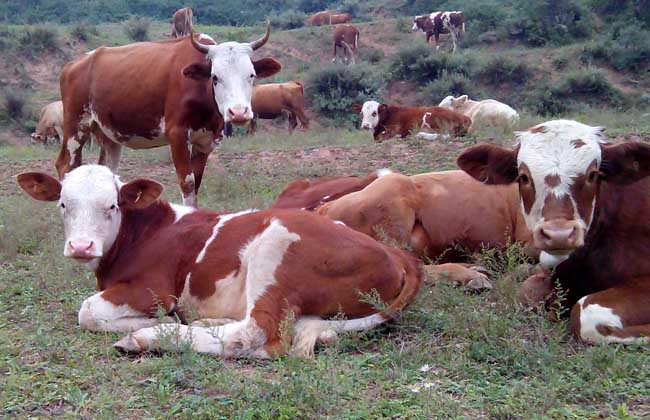
Bovine rumen bloat, also known as tympany, is a disease caused by excessive intake of easily fermentable forage. This disease is divided into foaminess and non-foaminess according to the nature of the gas, and is further divided into primary and secondary according to the cause of onset. Let us take a look at the prevention and treatment methods for bovine rumen bloat below!
Symptoms of bovine rumen bloat
Shortly after cattle consume easily fermentable forage and feed, the left flank distends rapidly, and the height of the distension can exceed the backbone. The sick cow appears restless and pained, looks back at its abdomen, and the two hind limbs are repeatedly lifted to kick the abdomen. Appetite, rumination and belching stop completely, and breathing becomes difficult. In severe cases, the mouth is opened, the tongue is extended, breathing is labored, respiration and heartbeat accelerate, the conjunctiva becomes congested, the mouth color is dark, walking is unsteady, and standing is unstable. Once it falls down, the bloating becomes even more severe. If emergency rescue is not carried out, the sick cow may die from suffocation due to difficulty breathing and lack of oxygen.
Causes of bovine rumen bloat
1. Feeding large amounts of young, tender and succulent green grass. It is generally believed to be leguminous plants, such as fresh alfalfa, sweet clover, Chinese milk vetch, pea vines, etc.
2. Eating forage after rain or covered with frost and dew.
3. Spoiled and fermented silage as well as moldy hay, etc.
4. Secondary to diseases such as esophageal obstruction, forestomach atony, traumatic reticuloperitonitis and peritonitis.
Prevention of bovine rumen bloat
1. When switching from barn feeding to grazing, first feed some hay or coarse feed,
2. Appropriately control the grazing time in places with lush young pasture grass and on grassland wet with frost and dew,
3. Strictly prevent cattle from eating too much or greedily consuming young, tender and succulent leguminous forage, etc.
Treatment of bovine rumen bloat
1. Two methods to expel gas from the bovine rumen. One is to insert a stomach tube into the rumen and then move the tube back and forth to induce the discharge of gas from the stomach; the other is to perform rumen puncture, that is, at the highest point of the distended left flank, disinfect with iodine tincture and then quickly puncture with a trocar, releasing gas slowly.
2. Stop the rumen contents from continuing to ferment and produce gas. For mildly bloated cattle, an anti-fermentation agent can be given, such as oral administration of 15-20 grams of ichthammol or 30 milliliters of turpentine oil. For foaminess rumen bloat, 250 milliliters of soybean oil, peanut oil or cottonseed oil can be selected and drenched to the sick cow, which has a very good defoaming effect. An antifoaming agent can also be given to the cow, such as polymerized methyl silicone oil or 30-60 tablets of anti-bloat tablets.
3. To expel the fermented rumen contents, a laxative can be drenched to the sick cow, such as 400-500 grams of sodium sulfate and 800-1000 milliliters of castor oil.