Detailed Explanation of Dairy Cattle Feed Formula Design Methods
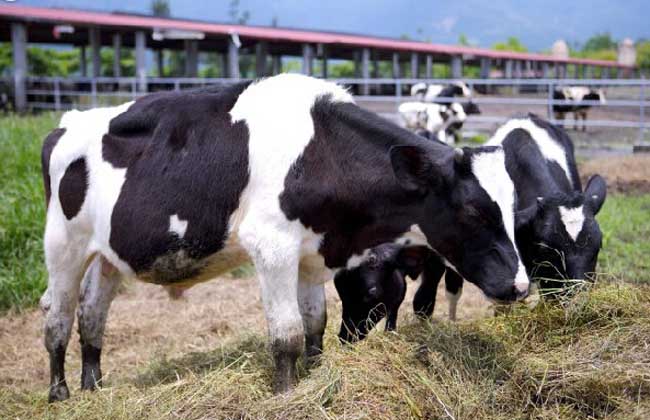
As an important herbivorous animal in livestock farming, dairy cattle differ from pigs and poultry that are fed concentrated feed and eat freely; they are basically fed individually by measured ration. Forage and other non-concentrate components in the dairy cow's diet (silage, root crops, distiller's grains and dregs) are very important and are required to make up a certain proportion of the diet. Let's take a look at dairy cattle feed formula design below!
Replacement Heifer Feed Formula Design
The purpose of raising replacement heifers is to control their feeding so that they reach the appropriate body weight at the appropriate time (for example, a Holstein cow weighs about 340kg at 2 years of age), laying a good foundation for the next steps of breeding, reproduction and milk production. To achieve this goal, there are many influencing factors, but a reasonable diet formula is crucial. Therefore, when designing a replacement heifer diet, in addition to following general principles, the following points should also be noted.
1. Clarify the breed, age and body weight of the growing dairy cattle, and estimate the daily weight gain needed to reach the specified body weight within the specified age. Ensure through the diet formula design that the dairy cattle can come into estrus and be bred on schedule, while also not becoming too fat and affecting later reproduction and milk production.
2. The diet should ensure sufficient green forage. Estimate the exact amounts of various nutrients that green forage and roughage can provide to the growing dairy cattle per day on average.
3. Pay attention to the ratio of concentrate to roughage in the diet. If the roughage proportion is higher than 60% or lower than 40%, adjustment should be made. On the premise of ensuring that the replacement heifer reaches the expected daily weight gain, the roughage proportion can be appropriately higher.
Lactating Cow Feed Formula Design
Milk production is the main purpose of raising dairy cattle. How to fully tap their milk production potential while ensuring their health makes the design of their diet formula very critical. When designing a lactating cow diet formula, special attention should generally be paid to the following aspects.
1. Before designing the formula, one must first understand the age, parity and lactation stage of the lactating cow. Because the nutritional requirements of dairy cattle differ greatly by age, parity and lactation stage, they must be treated differently in nutritional supply to ensure they reach an ideal milk production level and maintain a healthy body. For example, during the first and second lactation periods, the cow has not yet reached adult body weight in addition to producing milk, so the nutritional level should be appropriately higher.
2. During the peak lactation period of high-yielding dairy cows, the proportion of concentrate supplement and the nutrient concentration in the diet should be increased to maintain a high level of milk production, but attention should also be paid to preventing nutritional metabolic diseases in dairy cattle caused by abnormal rumen metabolism, such as acidosis and ketosis.
3. When selecting concentrate raw materials, consider the impact of the raw materials on milk quality. For example, feeds such as rapeseed meal, distiller's grains and dregs, fish meal and silkworm pupa meal should be strictly limited in usage; otherwise, they may give the milk an off-flavor and affect milk quality.
4. When feeding dairy cattle large amounts of low-protein roughage, it is recommended to use as little or no non-protein nitrogen (NPN) feed as possible.
5. In formula design, the protein index should adopt a new protein nutrition system.
Reference Formulas for Lactating Cow Feed
1. Reference Formula One: suitable for general farmers.
① Concentrate formula: corn 28%, barley 30%, cottonseed cake 21%, wheat bran 10%, sesame cake 4.54%, salt 1.51%, bone meal 1.7%, calcium carbonate 3.38%.
② Diet composition: concentrate 6.8 kg, silage 13.0 kg, cottonseed 0.5 kg, rice straw 0.5 kg, sugar beet pulp 0.6 kg, green grass 19.0 kg.
2. Reference Formula Two: suitable for Beijing, Tianjin, Hebei and other regions.
① Concentrate formula: corn 45%, wheat bran 5%, wheat middlings 5%, salt 1%, extruded soybean 10%, soybean meal 10%, cottonseed meal 19%, bone meal 2%, fish meal 3%.
② Diet composition: carrots 7 kg, concentrate 8.35 kg, Northeast Leymus chinensis 4 kg, silage 20 kg.
3. Reference Formula Two: suitable for Hunan and Hubei regions.
① Concentrate formula: corn 44.57%, wheat bran 20.68%, soybean cake 13.29%, cottonseed cake 13.29%, salt 1.55%, baking soda 1.72%, limestone powder 1.03%, bone meal 0.86%.
② Diet composition: concentrate 7 kg, green grass 2.2 kg, rice straw 3.0 kg, silage 12.0 kg.
4. Reference Formula Two: suitable for Zhejiang and Fujian regions.
① Concentrate formula: corn 50%, wheat bran 17%, soybean cake 17%, cottonseed cake 12%, baking soda 2%, salt 1%, shell powder 1%, bone meal 2%.
② Diet composition: silage 10 kg, hay 3 kg, rice straw 4 kg, concentrate 8.75 kg.