How to Treat Bovine Cold Paralysis? Detailed Treatment Plan
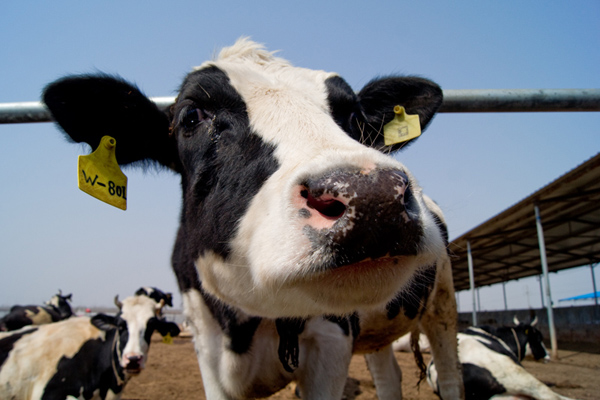
Bovine cold paralysis, also known as "numb-foot wind," is caused by poor feeding and management, often letting cattle sleep in cold, damp places and catch wind and chill. In the early stage of the disease, symptoms are not very obvious: the cattle eat grass, drink water, and urinate and defecate normally, but the coat is somewhat rough and messy, the whole body trembles, cold air is exhaled, and movement is slow. Later, the whole body gradually becomes cold, weak, and drowsy, with joint and muscle pain. When the disease is severe, rumination stops, the limbs are painful or numb, the animal cannot stand, is listless, the mouth is dry, the tongue coating turns black or yellow, the tail and ear tips are inflexible, the pulse is thin and deep, the heartbeat is weak, paralysis occurs, the buttocks swell, the hind limbs partially ulcerate and bedsores develop, and in severe cases the animal may die.
Plan One
Atractylodes lancea 4 grams, Lycium chinense root bark 8 grams, Perilla leaf 6 grams, Polyporus umbellatus 6 grams, Alisma 6 grams, Ephedra 6 grams, Cassia twig 6 grams, Magnolia officinalis bark 5 grams, dried tangerine peel 6 grams, licorice 4 grams, with 120 grams of white liquor as a guiding agent. Decoct, let cool until warm, and administer by drenching. Continue for 2-3 doses, once daily, and recovery can be achieved.
Plan Two
Achyranthes bidentata 30 grams, Ligusticum chuanxiong 9 grams, whole Angelica sinensis 30 grams, Cassia twig 7 grams, Lycopodium clavatum 45 grams, mint leaf 6 grams, safflower 6 grams, Saposhnikovia divaricata 30 grams, fried Gardenia jasminoides 30 grams, frankincense 6 grams, myrrh 6 grams, licorice 7 grams, Aucklandia lappa 7 grams, ginger 30 grams, with 0.5 kg of rice wine as a guiding agent. Decoct and administer. If urination is blocked, add Akebia quinata and Plantago asiatica 30 grams each. Continue for 2 doses and recovery can be achieved.