Key Technical Points and Methods for Deworming Cattle Explained
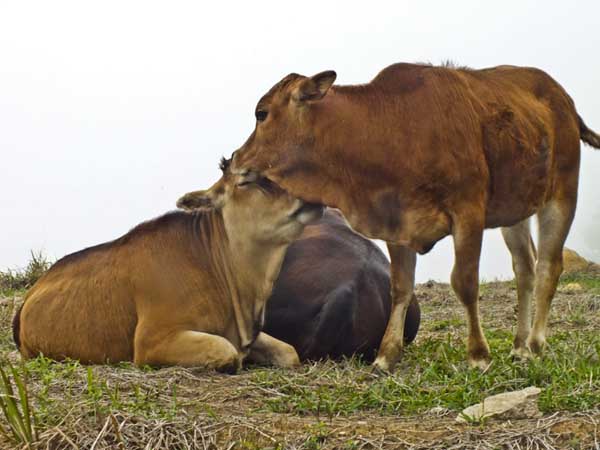
When grazing, cattle consume pasture and come into contact with the ground, so they are often infected with various internal and external parasites. For example, Haemonchus contortus, Bunostomum and Oesophagostomum species are very likely to appear in the digestive tract of cattle; cattle are also highly susceptible to external parasites such as mites, ticks, lice, flies and maggots. These parasites absorb nutrients and release toxins, stunting the growth and development of cattle, and can reduce daily weight gain by 35% and feed conversion rate by 30%; cattle warble fly maggots more than double the reduction in hide value, and severe parasitism can cause death.
Cattle farmers can deworm twice, in spring from March to May and in autumn from September to October, and fattening cattle should be dewormed at the start of fattening.
There are many types of deworming drugs for cattle, and levamisole, trichlorfon and others can all be used, but their antiparasitic spectrum is narrow and the results are less than satisfactory. Afuding is the first choice for deworming. Afuding is a broad-spectrum, highly effective, low-toxicity new antiparasitic veterinary drug developed and produced in recent years, and it can simultaneously eliminate nematodes in the body of livestock and poultry as well as external parasites such as mites, ticks, lice and fly maggots.
If cattle farmers do not have sufficient veterinary skills, they should also maintain regular contact with local veterinarians to do a good job in disease prevention and treatment.