Key Technical Points for Efficient Dairy Cattle Farming in Winter
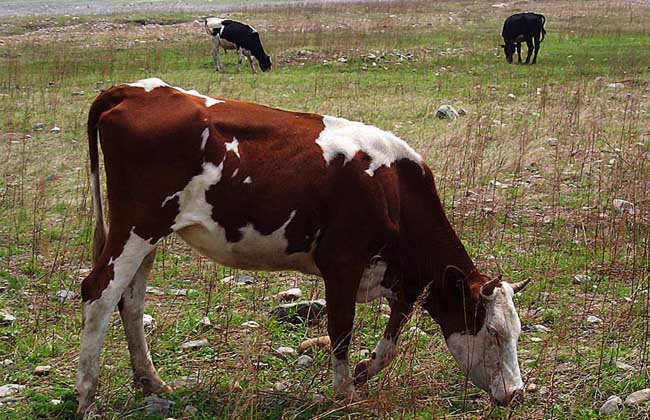
Since winter temperatures are generally low, achieving efficient dairy cattle farming should start with several aspects: feed standards, freeze protection and warmth retention, exercise and light, and drinking warm water.
Feed Standards
Under low-temperature conditions, dairy cattle can maintain normal body temperature, but because they dissipate too much body heat, feed consumption increases. Starting from the beginning of winter, the amount of concentrated feed should be gradually increased. The daily ration should be highly palatable, varied in type, reasonably matched, and rich in nutrients. At the same time, sufficient high-quality hay and a certain amount of succulent feed such as distillers' grains, carrots, and sweet potatoes should be fed. If silage is available, it can be used as the main feed, with the amount increased gradually from small to large until about 15 kg per day. In addition, the number of feedings should be appropriately increased. Increasing feed intake is an effective measure to raise milk production in dairy cattle.
Freeze Protection and Warmth Retention
Although dairy cattle have relatively strong cold resistance, attention must still be paid to cold protection and warmth retention. For barn temperature, adult dairy cattle should be kept above 6°C, and growing dairy cattle should be kept above 5°C. During severe cold, boards or bedding straw should be spread on the cattle bed, and especially under the udder, thick bedding should be spread to avoid affecting milk production or causing udder inflammation. The barn should be kept warm and protected from drafts.
Exercise and Light
In winter, the barn is relatively cold and damp, and if dairy cattle are tethered inside for long periods, they are prone to diseases such as rheumatoid arthritis. Therefore, every day at noon, dairy cattle should be allowed to move outside the barn so they can get 2 to 3 hours of sunlight, which speeds up metabolism and enhances their cold resistance.
Drinking Warm Water
The milk production of dairy cattle is closely related to drinking water temperature. When dairy cattle drink 10°C water, daily milk production is 24.5 kg; when they drink 24°C water, milk production is 24.6 kg; when they drink 17°C water, milk production is 24.8 kg. It can be seen that drinking 17°C water gives the highest milk production.
In addition to the aspects above, ensuring efficient dairy cattle farming in winter also includes adding biomimetic agents and strengthening work to prevent miscarriage, among other aspects, which will not be explained one by one here.