Are Sharks Mammals? Understanding Shark Classification in One Article
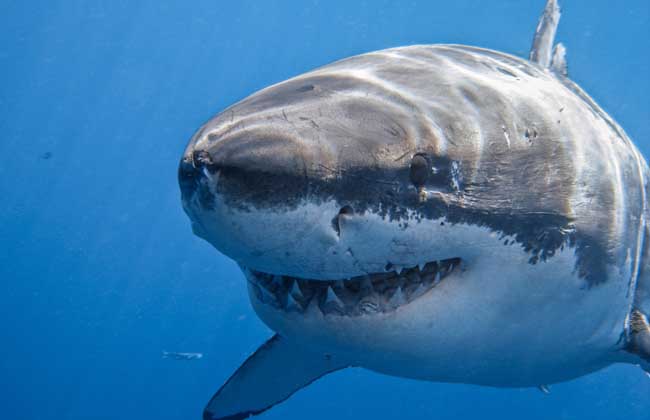
Sharks are the most ferocious fish in the ocean, also known as shayu, jiaosha, jiaoren, and other names. They existed on Earth 300 million years before the dinosaurs appeared, and have been around for more than 500 million years, with almost no change over the past nearly 100 million years. They feed on injured marine mammals, fish, and carrion. Let us take a look below at whether sharks are mammals!
Are sharks mammals?
Sharks are not mammals. Sharks are a type of fish belonging to the class Pisces, and are relatively primitive. Their reproductive mode is ovoviviparous, and they can also maintain a constant body temperature so as to have enough strength to attack quickly. However, sharks are not mammals, because sharks breathe with gills and do not nurse their young, whereas mammals breathe with lungs and feed milk.
Are sharks viviparous or oviparous?
Sharks are ovoviviparous. Ovoviviparity means “incubating eggs inside the body”, that is, the fertilized eggs produced by internal fertilization remain in the mother's reproductive tract, and develop into young through the egg yolk material of the egg itself, only being born after the embryo has fully developed. Once mature, the mother's reproductive tract will contract to expel the young together with the egg membrane. Therefore, the embryos of ovoviviparous animals receive proper protection from the mother, and the survival rate of hatching is more guaranteed than that of oviparous animals.
What are the characteristics of mammals?
1. Mammals have a highly developed nervous system and sensory organs, and can coordinate complex functional activities and adapt to changing environmental conditions.
2. Mammals have developed oral chewing and digestion, which can greatly improve energy intake.
3. The high and constant body temperature of mammals (25 to 37 degrees Celsius) reduces their dependence on the environment.
4. Mammals have the ability to move quickly.
5. The reproductive mode of mammals is viviparous (except for the subclass Prototheria) and they nurse their young, ensuring a relatively high survival rate for their offspring.