Key Technical Points and Operation Methods for Raising Fish with Pig Manure Explained
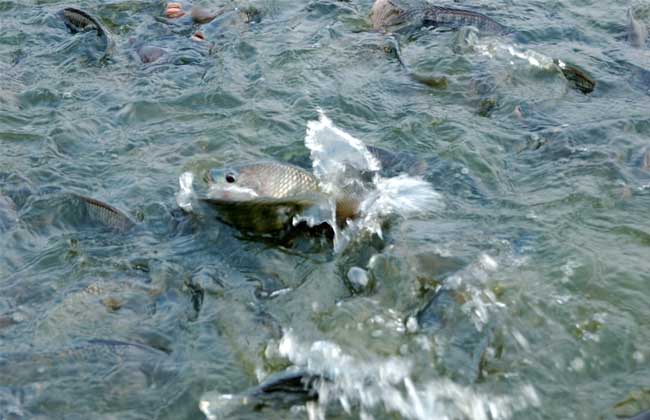
Fresh pig manure contains parasite eggs as well as some toxic substances and pathogens, so fresh pig manure cannot be used to feed fish directly. It must be treated with a professional fish feed fermentation agent before it can become a non-toxic and nutrient-rich fish feed. Fermented pig manure not only saves fish feed, but more importantly, it also improves water quality. Let's take a look at pig manure fish farming technology together below!
Pig Manure Fish Farming Technology
1. Application method: After the fish pond is cleared and prepared, apply 250-300 kg of pig manure per mu of water surface, then apply a top dressing once about every 10 days at 50 kg of pig manure each time. The specific amount applied should be determined by the color of the water, with the pond water showing grass green or tea brown as the standard.
2. Fermentation method: Sun-dry fresh pig manure and crush it, add 10% wheat bran, and mix with water. The amount of water added should be such that when the pig manure is held in the hand, water appears between the fingers but does not drip. Then put it into a cement pit, press it down firmly layer by layer, and after filling, seal the top opening with plastic sheeting. Ferment at 20-30°C for 3-5 days and it is ready. Well-fermented pig manure can be fed directly to fish, or 28% bran, 12% peanut cake can be added to make it into balls, and it can be fed on a schedule once each day at 8 a.m., 12 noon, and 5 p.m., with a daily feeding amount of 4-6% of fish body weight.
3. Drying method: Sun-dry or air-dry pig manure and crush it, then process it into pellet feed according to the ratio of 54% dried pig manure, 10% soybean cake, 30% bran, 4% fish meal, 2% salt and additives, and feed it. This method is suitable for ponds mainly raising grass carp and common carp, and mixed-culture ponds of silver carp and bighead carp.
Pig Manure Fermentation Method
1. Material ratio: 1.5 tons of pig manure (about 2.5 tons of fresh manure) plus 1 kg of Jinbaobei fertilizer fermentation agent. The fermentation agent needs to be mixed evenly with rice bran (or substitutes such as wheat bran or cornmeal) at a ratio of 1:5, then evenly sprinkled into the pig manure pile and mixed thoroughly. It is best to add straw or mushroom residue to adjust the carbon-nitrogen ratio.
2. Building the pile: When making the pile, it should not be made too small or too low, as being too small will affect fermentation. A pile with a height of 1.5-2 m, a width of 2 m, and a length of 2-4 m or more gives better fermentation results.
3. Temperature requirements: The starting temperature should preferably be above 15°C. It can be done in all four seasons and is not affected by season. In winter, ferment indoors or in a greenhouse as much as possible.
4. Moisture requirements: The moisture of the fermentation material should be controlled at about 65%. Too high or too low is unfavorable for fermentation. Too little water makes fermentation slow, while too much water leads to poor aeration, slow heating, and odor. If moisture is too high, add straw, sawdust, mushroom residue, dry soil powder, etc. It is best if, when a handful of material is squeezed tightly, water marks appear between the fingers but no water drips, and the material breaks apart when dropped to the ground.
5. Turning the pile for aeration: During fermentation, pay attention to proper oxygen supply and pile turning. When the temperature rises to 75°C or above, turn it several times, and control the temperature rise at about 65°C. Too high a temperature affects nutrients.
6. Fermentation cycle: Generally, fermentation can be completed within one week. The material becomes dark brown and the temperature begins to drop to normal temperature, indicating fermentation is complete. If there is too much auxiliary material such as sawdust, wood shavings, or rice hulls, the fermentation time should be extended until it is fully decomposed.
Advantages of Pig Manure Fish Farming
1. Pig manure fish feed made with pig manure fermentation agent can promote rapid and healthy growth of fish, shorten the breeding cycle, provide high feed returns, and lower breeding costs.
2. Pig manure feed has moderate stability in water, making it convenient for fish to eat, with less feed waste and less pollution of water quality, reducing the occurrence of fish diseases.
3. Fermented pig manure feed has better palatability and is easier to digest and absorb, and harmful substances in the raw materials are fully killed and inactivated.
4. The residual bacterial protein and functional bacteria metabolites in fermented pig manure feed have the effect of promoting fast fish growth, a strong body, strong disease resistance, and an increased survival rate.
5. Fermented pig manure as fish feed has a reasonable cost-performance ratio and a high output-to-input ratio.
6. The microorganisms contained in the pig manure fermentation agent are all beneficial bacteria. Once the residual functional bacteria in fermented pig manure feed enter the water body, they will multiply in large numbers and rapidly decompose organic matter such as the excrement of farmed animals, residual feed, and animal and plant remains, effectively reducing the concentration of harmful substances such as ammonia nitrogen and nitrite in the water body, purifying and improving water quality, and maintaining the ecological balance of the water environment.