What are the water quality requirements for keeping fish? A detailed explanation of water conditions for aquaculture
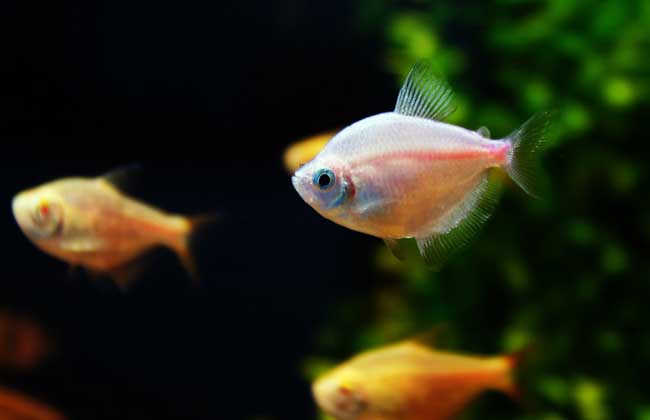
Friends who have kept fish all know that keeping fish starts with preparing the water. How to maintain a tank of clear, non-toxic water at home is very important. Because the water volume at home is small, the requirements for water quality are even more important. At the same time, there are many water sources for keeping fish, and water can be taken nearby, but remember to use it reasonably. Now let us take a look at what the requirements for fish-keeping water are!
Well water
Well water is generally warm in winter and cool in summer, rich in minerals, and suitable for keeping fish. Well water is divided into two types, deep well water and shallow well water, among which shallow well water is more suitable for keeping fish. Drawn well water should first be exposed to the sun for 12-36 hours depending on the depth of the stratum, which is more beneficial to the health of the fish.
River and lake water
River and lake water is a natural water source. Because it is widely exposed to air and sunlight, it has a high dissolved oxygen content, a PH value between 7.0 and 8.0, and more plankton. Using these kinds of water to keep fish helps the fish have bright colors. However, one point is very important: it must be excellent river and lake water that has not been polluted.
Spring water
Spring water is an underground warm water source. Its water quality is relatively pure, and it contains few various organic substances but more soluble salts. Fish kept in spring water grow more slowly, and when using it, every effort should be made to ensure a balanced water temperature.
Distilled water
Distilled water is characterized by containing no oxygen or very little oxygen, so it is not suitable as water for keeping fish. If it is to be used, it should be exposed to the sun until the dissolved oxygen is sufficient.
Tap water
The most common and most convenient water for keeping fish is tap water. It is an artificial water source. Every household uses tap water, and its water quality is relatively clean, with fewer impurities, bacteria and harmful substances, so it is acceptable for keeping fish. But one point to note is that tap water has a relatively high chloride ion content. If it is used directly to keep fish, it can easily cause poisoning. Therefore, before use, one step is very important, and that is dechlorination treatment.
1. Sun-drying method: To dechlorinate with the sun-drying method, tap water should be exposed to sunlight. The exposure time depends on the chlorine content in the water and generally needs to be more than 48 hours. If it is an overcast day or the sunlight is weak, a basin of tap water needs to be left for 4-5 days to achieve the purpose of dechlorination.
2. Chemical method: If a special situation occurs and there is no stored water, and tap water must be used immediately, then the chemical method should be used for dechlorination. The method is to add 2-3 grams of baking soda (sodium thiosulfate) to each cubic meter of tap water, stir the water slightly, and the dechlorination process can be completed in about 30 minutes.