Can deep-sea dragonfish be eaten? Read this and you will understand
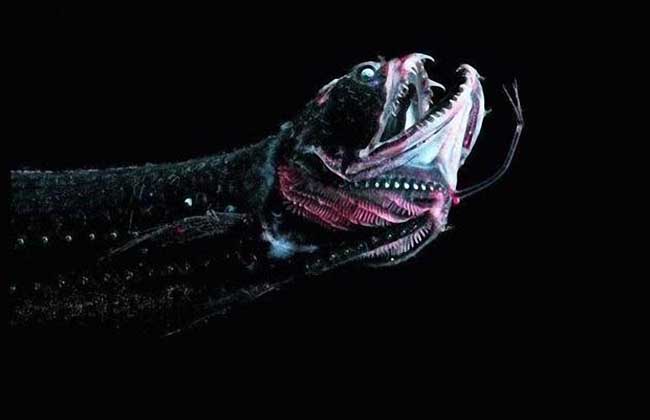
The deep-sea dragonfish is a ferocious predator, also known as the scaleless dragonfish, with two rows of light organs on both sides of its body. These light organs can signal other stomiids during mating, and can also mimic the shimmering light coming down from the sea surface, thereby misleading predatory fish coming from the depths below. Now let us take a look at whether deep-sea dragonfish can be eaten!
Can deep-sea dragonfish be eaten?
Deep-sea dragonfish can be eaten, but it is very expensive and not easy to catch. Deep-sea dragonfish can be made into steamed deep-sea dragonfish; the name sounds grand, it looks very presentable, the flesh is tender, and the steaming juices go well with rice. The simple method is to slice it and arrange it on a plate, steam over high heat for two to three minutes (until steam rises), take the fish out and rinse it clean with water, put it back on a plate, add seasonings and steam until done, drizzle with a little soy sauce and aged wine, and finally heat oil in a pan and pour it over the fish.
Does deep-sea dragonfish glow?
Deep-sea dragonfish can glow. Deep-sea dragonfish live on the seabed at a depth of 1524 m and belong to the order Stomiiformes. Although this fish is not large in size, it is a ferocious predator, with a large head armed with many long, sharp fangs, and it uses a glowing lure that keeps flashing and swinging back and forth to tempt prey; once the prey is close, it bites down firmly with its sharp teeth.
What does deep-sea dragonfish eat?
In the deep sea, visible light from the sky is already absorbed in the mesopelagic zone, and the bathypelagic zone forms an extremely dark environment. In such an environment, the eyes of the black dragonfish are specialized into tubular shapes, with photoreceptor cells densely packed beneath a large lens. Some deep-sea fish also make daily vertical migrations to prey on copepods, and larger predatory fish follow after them, triggering large-scale animal migrations. This behavior can increase the exchange of material between the surface and deep layers. The deep-sea dragonfish is one of the fish that take part in this diel vertical migration.