Key Points and Methods of Mbuna (Malawi Cichlid) Breeding Techniques Explained
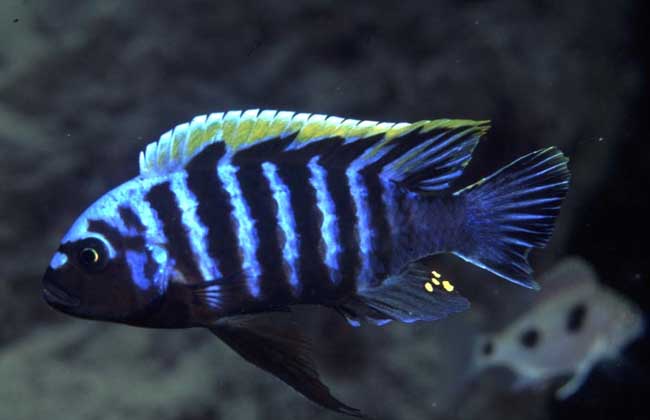
Mbuna are one of the three-lake cichlids; three-lake cichlids is the collective name for the cichlids of Africa's three great lakes: Lake Malawi cichlids, Lake Tanganyika cichlids and Lake Victoria cichlids. Among the three-lake cichlids, mbuna have the most vivid and varied colors. To keep mbuna well, effort must be put into several aspects. Let us take a look at mbuna breeding techniques together below!
Aquarium
Mbuna are extremely territorial and naturally aggressive, so the bigger the aquarium the better. Many mbuna keepers have aquariums exceeding 1000 liters, and some even exceed 2000 liters. Beginners should start with a small tank, and after gaining some experience, move the fish into a larger tank. When buying an aquarium or making one yourself, the tank should be as deep as possible to make aquascaping easier later on. To achieve a good aquascaping effect, the height of the tank should preferably reach 50 cm or more.
Aquascaping
If the aquascaping is too complex, it easily reinforces the mbuna's territorial sense, fights become fiercer, and it is inconvenient to add new fish to the tank (they are easily eaten). For ordinary hobbyists there is no need to aquascape; simply placing a few rocks and increasing the stocking density is enough. After all, mbuna colors are already quite gorgeous, and with high density the scenery looks good too.
Lighting
Mbuna are vividly colored themselves and show up very well under any lighting conditions. But good lighting allows the fish to fully display their beautiful colors, and can also promote the growth of algae on the rocks for some mbuna to eat. However, overly intense lighting often makes them feel uncomfortable, and their body color gradually fades.
Selecting Fish
Everyone understands the importance of selecting fish; good genes directly relate to subsequent development. But never buy juveniles or fish that already show very vivid coloration at the sub-adult stage; these fish very likely have been injected with hormones, and after being taken home and kept for a period they will quickly fade. When choosing, try to pick those that like to swim around everywhere and compete aggressively for food; such fish are generally very healthy and will color up beautifully in the future.
Introducing Fish
As long as the tank environment meets the above requirements, fish can be introduced into the tank. If mbuna are already kept in the tank, newly introduced fish will be chased and bitten and driven away by the other fish. To reduce attacks on the new fish, you can introduce the fish at feeding time so the new fish can quickly find a place in the tank to hide, or immediately turn off the lights after adding the new fish to distract the existing fish. Afterwards, if you find it is always chased and bitten by other fish, it is best to remove it, otherwise it will sooner or later be “done in”.
Mixed Keeping
When keeping mbuna, the number of fish should be configured according to the size of the aquarium. Small fish will not fight; once grown, the fish will occupy territory for breeding, and fights will occur from time to time. The weak will be bitten all over by the strong, or even die. An 80-liter tank with 5 to 6 large fish is about right. Mbuna like to dig in the sand, because this marks their territory. If you first set up cave-like objects for them, the fish will not fight.
Food
Newly hatched mbuna fry can be fed brine shrimp nauplii, frozen brine shrimp nauplii sheets, or fry food. Adult fish can be fed heavier-smelling adult brine shrimp or bloodworms. Frozen brine shrimp and dried bloodworms are good choices, but try not to feed frozen bloodworms, because bloodworms often carry pathogens. In addition, if only dried granular or flake food is fed, it is recommended to feed a mix of several kinds for balanced nutrition.
Temperature
Mbuna are not too picky about temperature when kept; 22 to 29 degrees is no problem, and temporarily raising the temperature to 31 degrees when they are sick is also no problem. But in hot summer regions, attention must be paid to cooling.
Water Quality
The overall pH of Lake Malawi is between 7.8-8.6. The most suitable pH for artificial keeping is around 8, with hardness maintained at 10dH. Unlike other ornamental fish, three-lake cichlids have relatively strong tolerance to the environment; when the environment is unsuitable they will not get sick immediately, but it will show in their body color. So by observing changes in the mbuna's body color, you can indirectly tell whether the water quality has deteriorated.
Filtration
Mbuna are usually kept in high-hardness water, so the water in the tank is normally very clear. When the water becomes cloudy, it indicates a problem with the filtration system. Check whether the pump is working normally, whether the nitrification system has crashed, etc. Moreover, some keepers often like to keep many kinds of fish together and add fish from time to time, causing the filtration system to be overwhelmed. A fairly common solution is to add a canister filter, combining filtration on top of the original filtration system.
Note: Mbuna breeding techniques are basically the above. In addition, mbuna are famously unable to tell what full means; sometimes they have clearly eaten too much and have started trailing feces, yet with a swollen belly they still rush to snatch food when they see it coming. So keepers should be especially careful not to overfeed when feeding.