Can Plecos Be Eaten? A Look at Their Food Safety
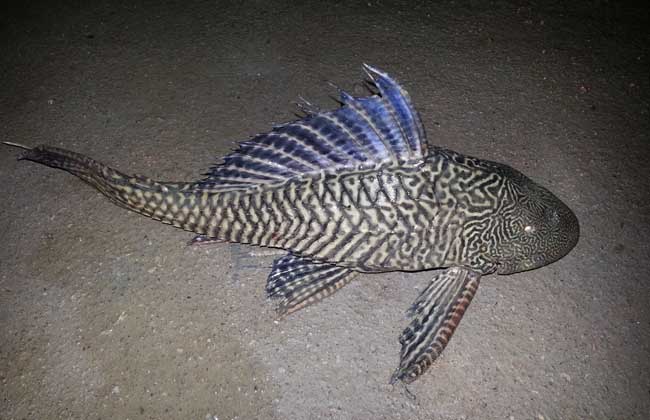
The pleco, scientifically known as the suckermouth catfish and also called the sucker fish or pipa fish, belongs to the Loricariidae family. It is native to the Amazon River in South America. In aquariums, it feeds specifically on the waste of other fish, bottom sediment, aquatic plants, and even mud. It has an excellent appetite and good digestive capacity, which is how it got the name "garbage fish." Now let's take a look at whether plecos can be eaten!
Can Plecos Be Eaten?
Plecos feed on bottom waste, so their bodies contain a certain amount of bacteria, and they are not recommended for human consumption. If you must eat them, it is advisable to cook them at high temperatures and eat only a small amount. They can be grilled or skinned and braised, and they are delicious. The specific method is to first blanch them in boiling water so the hard shell comes off easily, then remove the internal organs, air-dry, and stir-fry in oil over high heat with plenty of ginger slices, then add clean water to make soup. The resulting soup is milky white, both fresh and sweet, and highly nutritious.
What Do Plecos Eat?
Plecos are omnivorous aquatic creatures. They often attach to aquarium walls or aquatic plants, licking up algae, the mucus secreted by fish on the tank walls, and leftover food particles from the fish. They will even swallow fish eggs. Adult plecos have a large appetite, resting during the day and active at night, and will gnaw on aquatic plants until they look like fishing nets. Their diet can be mainly algae-based, but live food also needs to be provided during keeping. In aquariums, they often attach to rocks and glass to stabilize themselves and suck on algae, and they also search for benthic animals such as tubifex worms.
How to Keep Plecos Properly?
1. Water quality: The water plecos adapt to can be slightly acidic soft water or neutral water, with neutral being preferable. If conditions allow, the water is best used after tap water has been settled and sun-dried for 2 days. If well water is available, the effect is even better.
2. Water changes: Plecos do not have high demands for water. Simply change the water once a week with the high-quality water source mentioned above. Of course, when changing the water, keep one-third of the old water in the tank, then add two-thirds new water. This allows the fish to have an adapted water source in which they can stay healthy and not panic.
3. Water temperature: The suitable water temperature for plecos is 18-30°C. If the water temperature is below 18°C, plecos will become listless, lose appetite, and be prone to other diseases. If the weather is too cold and the air becomes cold, a heater must be added for the plecos. If it is too hot, ice cubes need to be added to cool the water.
4. Density: Do not keep too many plecos in a fish tank, otherwise it can easily cause vicious fights between the fish, or even cause other fish to be eaten by them. For example, in a 1-meter fish tank, it is recommended to keep about 2-4 plecos, but they must never be kept with gentle or small fish.
Note: Plecos have no natural enemies in China, so they must be treated with caution and must not be released into the wild. In some places in the south, this fish has already become overrun and caused the native fish in entire rivers to be nearly exterminated.