Where does capelin come from? Introduction to its main producing areas
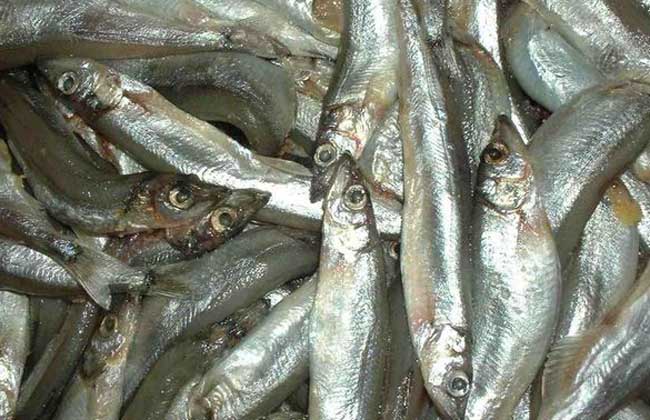
Capelin is an important food fish, scientific name Mallotus villosus, also known as cucumber fish, pond smelt, etc. It is a marine fish of the family Osmeridae and the genus Mallotus, named for the fresh cucumber-like odor of its body. It has high nutritional value, especially rich in calcium. Let us take a look below at where capelin comes from!
Where does capelin come from?
Capelin can be caught in many areas along the northern coasts of the Pacific and Atlantic Oceans. In China, it is produced from the Heilongjiang River and the lower reaches of the Tumen River all the way to the coastal waters of Taiwan, China, but due to indiscriminate and excessive catching, its numbers have greatly declined and it is now under protection. Most capelin on the market is caught in Canada and Norway.
Breeding habits of capelin
Capelin usually lives in the sea. Adult fish come to coastal estuaries in spring to spawn, with spawning dates from March to May each year. Hatching sites are usually in larger river tributaries and shallow shoals, and the eggs hatch after 10 to 20 days. By the end of the first summer, the young capelin of that year can reach 3 to 4 cm in body length and 10 to 30 g in weight, and the young fish grow into adults after about 2 years. Capelin also has a peculiar phenomenon: in abundant years it consumes large numbers of its own young, thereby playing a role in population regulation.
Nutritional value of capelin
Capelin has high nutritional value, especially rich in calcium, and is particularly suitable for children who are still growing, patients with osteoporosis, and the elderly, but people with an allergic constitution should be careful. Female fish about to spawn taste very delicious. The usual way to eat capelin is grilled, but be careful that overcooking will make the roe burst out; sprinkling on some wine before grilling makes it taste better. In Russia, capelin meat is also used as a filling for pies. In Japan, many fresh capelin are made into sashimi. In many other countries, the main cooking method for capelin is frying. In addition, in countries of origin such as Iceland and Norway, capelin is also largely made into canned goods for export.
How to eat capelin
1. Steamed capelin
[Ingredients] Capelin, with appropriate amounts of cooking wine, refined salt, ginger, and scallion.
[Method] ① Shred the scallion and ginger. ② Wash the fish, remove the internal organs, and make several diagonal cuts on both sides. ③ Coat the cleaned fish with cooking wine and refined salt, place shredded scallion and shredded ginger into the fish belly, arrange on a plate, sprinkle more shredded scallion and shredded ginger on top, and steam in a steamer for 8 to 10 minutes.
2. Braised capelin in soy sauce
[Ingredients] 1000 g capelin, 100 g each of fatty lean pork, green garlic, and green vegetables, 10 g fresh ginger, 15 g scallion, 20 g Shaoxing wine, 15 g vinegar, 10 g soy sauce, 10 g sesame oil, 250 g peanut oil, 7.5 g refined salt.
[Method] ① Scrape off the scales of the live capelin, remove the internal organs and gills completely, and wash clean. Make diagonal straight cuts on both sides of the fish body and marinate with refined salt. ② Shred the fatty lean pork and cut the green vegetables into sections. ③ Add peanut oil to a wok, heat over medium heat until 60 percent hot (about 150°C), stir-fry scallion sections and ginger slices a few times, pour in the shredded pork and stir-fry until no longer bloody, add Shaoxing wine and vinegar, add soy sauce, clear soup, and refined salt and bring to a boil, put the fish into the wok and simmer over low heat for 20 minutes, sprinkle with green vegetables and green garlic, drizzle with sesame oil, and serve in a soup plate.
3. Dry-braised capelin
[Ingredients] Capelin, a small amount each of potherb mustard, fatty lean pork, and dried chili, and appropriate amounts each of oil, soy sauce, sugar, cooking wine, monosodium glutamate, soup, scallion, ginger, Sichuan peppercorn, and seasoned oil.
[Method] ① Clean the fish thoroughly, score both sides of the fish body, and cut the ingredients into pieces. ② Add oil to a ladle and heat until 80 percent hot, marinate the fish briefly with a little soy sauce, put it into the oil and fry until golden brown, then remove. Start the ladle again, add oil, add scallion, ginger, and ingredients and stir-fry, then add seasonings and soup, put the fish into the ladle and simmer, pick out the scallion, ginger, and Sichuan peppercorn, and drizzle with pepper oil.
4. Stuffed capelin
[Ingredients] Capelin, 100 g pork, and appropriate amounts each of oil, cooking wine, egg white, starch, monosodium glutamate, soup, scallion, ginger, garlic, salt, and seasoned oil.
[Method] ① Remove the large bones from the capelin, wash and mince the meat, mix with seasonings to adjust the flavor, and stuff it into the fish belly. ② Place the fish on a plate, add cooking wine, scallion, ginger, and garlic to start the pan, and when the soup boils adjust the flavor, thicken with starch, drizzle with seasoned oil, and pour over the fish.
5. Fragrant roasted capelin
[Ingredients] Capelin, with appropriate amounts each of garlic cloves, soy sauce, salt, and cornstarch.
[Method] ① First wash the capelin clean. ② Cut the garlic cloves and scatter them over the fish, sprinkle on some salt, pour on some soy sauce, and coat once with cornstarch. ③ Place the capelin in a dish without covering with plastic wrap, leaving the fish body exposed, set the microwave roasting function, and adjust the time according to your preference for how soft or firm the fish should be.