What to Do About Swim Bladder Disease in Goldfish? Teaching You the Correct Treatment Methods
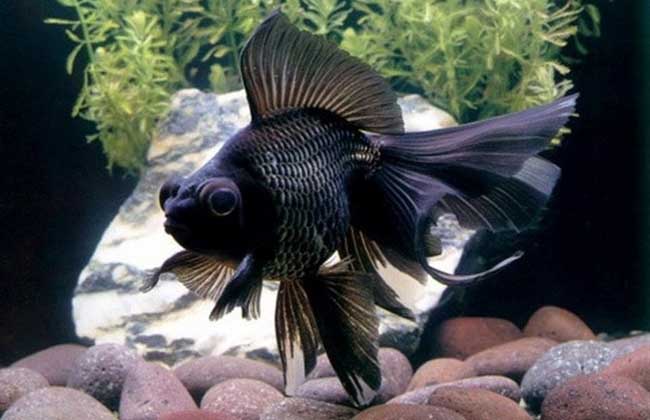
The main causes of swim bladder disease in goldfish include body shape, water level, and feed, among others, as well as many uncertain factors. The swim bladder of a sick fish is often filled with gas and cannot be regulated, so it cannot swim or feed normally, causing its belly to turn upward and flip over at the water surface. Let's take a look below at what to do about swim bladder disease in goldfish!
Symptoms of Swim Bladder Disease in Goldfish
Goldfish cannot maintain the balance of their bodies, sometimes tumbling head over heels like a somersault, and eventually either sink to the bottom or float at the surface. Goldfish with short bodies and large, fat abdomens are most commonly affected by this disease. Sick fish also have a normal appetite and can survive for a long time, but they lose their ornamental value.
What to Do About Swim Bladder Disease in Goldfish?
Swim bladder disease in goldfish is one of the goldfish diseases that headaches fish disease experts and keepers the most. At present there is no good treatment method. It is generally believed that resting in shallow water helps recovery. There is also artificial surgery, or adding small stones inside the fish's belly, or tying foam to the dorsal fin, using external force to help the goldfish find balance, thereby easing the harm and the troubles in daily life that swim bladder disease brings to goldfish.
Prevention of Swim Bladder Disease in Goldfish
1. Nutritional composition: The ornamental fish feed varieties on the market today are abundant and very finely formulated, with fish meal and dried shrimp used to the extreme. Hobbyists spare no expense in buying high-grade feed for their beloved fish. The protein, fat, and carbohydrate content in these feeds is often far higher than that of ordinary natural bait. In addition, many ornamental fish feeds are aimed at small tropical fish, and their nutritional formulations are developed according to the physiological characteristics of these tropical fish. Using them to feed goldfish will cause goldfish to become overweight, and excess fat can easily press on the swim bladder, causing dysfunction.
2. Feed effects: The food that goldfish eat long-term in the ponds of fish farmers is natural live bait, such as water fleas, bloodworms, and water algae. When goldfish are bought by hobbyists and taken home, they are immediately switched to artificial feed, including pellet feed, flakes, or stick-on feed. Although these artificial feeds contain richer nutrition, they are less easy for goldfish to digest than natural live bait and can easily cause intestinal blockage, causing the fish's intestines to swell and making the goldfish lose balance, but this has no direct relationship with the swim bladder.
3. Viral infection: According to relevant records, rhabdovirus can cause inflammation and degeneration of the epithelial tissue of the swim bladder. A large amount of body fluid accumulates in the fish's body, pressing on the body cavity ducts, leaving the air in the swim bladder nowhere to go and rendering the buoyancy regulation function ineffective. Affected goldfish become emaciated, their body color darkens, their reactions become sluggish, and they roll head-down. The abdomen swells, there is ascites in the abdominal cavity, and petechiae appear on the fish's body surface, often complicated by enteritis. Affected goldfish will die in about a week.
4. Water temperature changes: Goldfish are cold-blooded animals and are very sensitive to changes in water temperature. When water temperature changes abruptly, both decreases and increases can stimulate the nerve endings in the goldfish's skin, thereby causing dysfunction in the activity of internal organs. The symptoms of onset are that the skin loses its original luster, the fish lies on its side at the water surface or bottom, and it is lazy about swimming. Goldfish, especially precious varieties, live long-term under artificial rearing conditions with meticulous care, and when changing water the old and new water temperatures are kept the same, so they are even more “delicate”. When the water temperature suddenly changes by more than 3 degrees, imbalance symptoms are very easily triggered.
5. Body shape factors: Based on experience, many goldfish varieties, such as the Pearlscale among wen-type fish, the Ranchu among egg-type fish, and the Butterfly Tail among dragon-type fish, are more prone to swim bladder disorder than other varieties. Body shape is not the direct cause of swim bladder disorder, but these varieties have short, small bodies, and even under normal conditions they easily lose balance when swimming fast. Therefore, once the swim bladder has a problem, imbalance symptoms are even more likely to appear.