Why Is the Clownfish Called a Clownfish? A Detailed Explanation of the Name's Origin
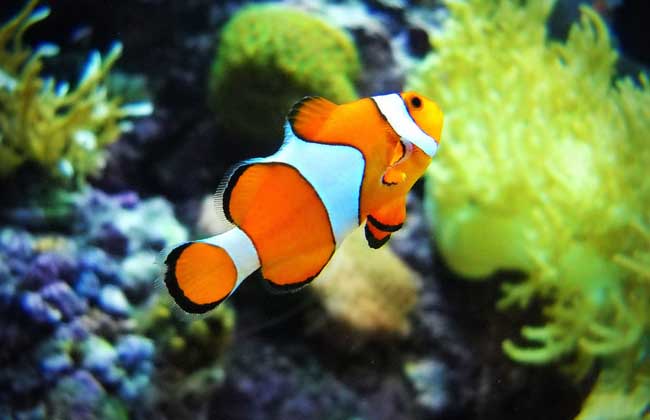
The clownfish is the common name for fish in the subfamily Amphiprioninae of the family Pomacentridae. There are 28 known species, one from the genus Premnas and the rest from the genus Amphiprion. They are native to the warmer waters of the Indian and Pacific Oceans, including the Great Barrier Reef and the Red Sea, and inhabit coral reefs and rocky reefs. Juveniles often live in symbiosis with large sea anemones, sea urchins, or the tops of small corals. Let's take a look below at why the clownfish is called a clownfish!
Why is the clownfish called a clownfish?
The clownfish is a tropical saltwater fish with an orange-red body, a slightly curved upper jaw that is blood-red, and white stripes all over its body, resembling the attire of a Western clown, hence the name clownfish. Although it is called a clownfish, it is not ugly at all and is very popular. Many people like to keep clownfish at home as ornamental fish or feng shui fish.
How does the clownfish live in symbiosis with sea anemones?
The clownfish and the sea anemone have a symbiotic relationship. The clownfish has a special mucus on the surface of its body that protects it from the sea anemone, allowing it to live safely and comfortably among the anemone's tentacles. Thanks to the protection of the sea anemone, the clownfish is kept safe from attacks by other larger fish, and the leftover food from the sea anemone can also feed the clownfish, while the clownfish can use the anemone's tentacles to build its nest and spawn in peace. For the sea anemone, the comings and goings of the clownfish can attract other fish to approach, increasing its chances of catching prey, and can also remove the anemone's necrotic tissue and parasites. At the same time, the swimming of the clownfish can reduce debris settling into the anemone's cluster. The clownfish can also rub its body against the anemone's tentacles to remove parasites or fungi from its body.
What reproductive characteristics does the clownfish have?
Although the clownfish is not the only hermaphroditic animal, it is one of the few species in which males can turn into females but females cannot turn into males. Each clownfish population has one dominant female and several adult males, the latter being hermaphroditic during their youth. If the dominant female dies, one of the adult males will undergo hormonal changes and transform into the new female of the population. During the spawning season, the male and female fish exhibit territorial behavior in guarding the nest and eggs. One end of each egg is attached to a rock by a fine filament, and the eggs hatch in about a week. After floating in the water layer for a period of time, the young fish then settle on symbiotic organisms such as sea anemones.