Are clownfish freshwater fish or saltwater fish? Here is the answer
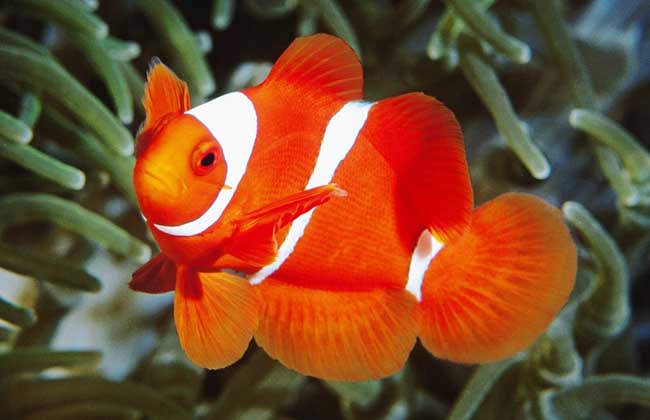
Clownfish is the common name for fish of the subfamily Amphiprioninae in the family Pomacentridae. They get their name because they all have one or two white stripes on their faces, resembling the clown role in Peking opera. Although they are called clownfish, they are actually not ugly at all but very beautiful, and they are favored by most people. Let us take a look below at whether clownfish are freshwater fish!
Are clownfish freshwater fish?
Clownfish are not freshwater fish, but a kind of tropical saltwater fish. They are native to the warmer waters of the Indian Ocean and the Pacific Ocean, including the Great Barrier Reef and the Red Sea. Although the distribution of most species is limited, some are very widely distributed. They often inhabit coral reefs and rocky reefs, and juveniles often live symbiotically with large sea anemones, sea urchins or the tops of small corals.
What food do clownfish eat?
Clownfish are omnivorous fish. The food of captive-bred clownfish is relatively simple; pellet feed, crushed shrimp meat or other omnivorous bait are all fine. However, in the first two months, some natural astaxanthin and spirulina powder should be added to the food to make the fish's colors more vivid. Because the domestication time at breeding farms is relatively short, it is even better if some brine shrimp are added after feeding.
Clownfish and sea anemones live symbiotically
The body surface of clownfish has a special body surface mucus that can protect it from the influence of sea anemones and allow it to live safely and comfortably among them. Because of the protection of the sea anemones, clownfish are kept safe from attacks by other large fish. At the same time, the food left over by the sea anemones can also be provided to the clownfish, and the clownfish can also use the sea anemones' tentacle clusters to build nests and lay eggs with peace of mind. For the sea anemones, the free movement of the clownfish in and out can attract other fish to come near, increasing the chance of predation. It can also remove the sea anemones' necrotic tissue and parasites, and because of the clownfish's swimming, it can reduce debris settling into the sea anemone clusters. Clownfish can also remove parasites or fungi from their bodies by rubbing their bodies among the sea anemone tentacles.