How to Keep Clownfish? Detailed Guide to Care Methods and Precautions
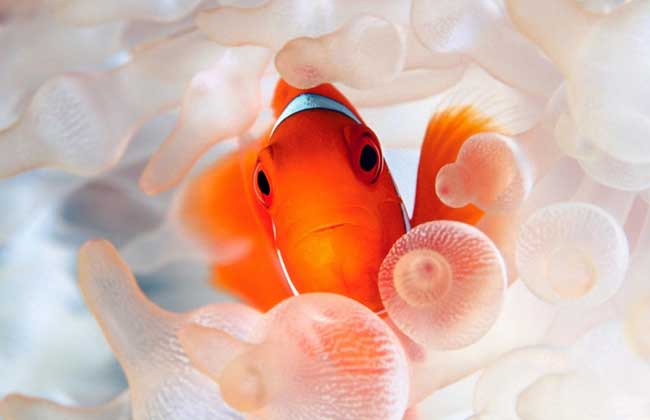
Clownfish is the common name for fish in the subfamily Amphiprioninae of the family Pomacentridae. There are 28 known species, one from the genus Premnas and the rest from the genus Amphiprion. They share an inseparable symbiotic relationship with sea anemones: the stinging anemones protect the clownfish, while the clownfish eat the digested remnants from the anemones, forming a mutually beneficial symbiotic relationship. Let's take a look below at how to keep clownfish!
What Food Do Clownfish Eat?
Clownfish are omnivorous fish. The food for captive-bred clownfish is relatively simple: pellet feed, crushed shrimp meat, or other omnivorous bait will all do. However, during the first two months, some natural astaxanthin and spirulina powder should be added to the food to make the fish's colors more vivid. Because the domestication time at breeding farms is relatively short, it is even better if some brine shrimp are added after feeding.
How to Keep Clownfish in the Best Way?
1. Housing environment: To keep clownfish, you first need to create a comfortable and cozy environment for them. Find a few live rocks and build a small cave with a natural barrier, keeping appropriate water flow inside the cave. It is best to place an oval pebble inside the cave, with the pebble placed against the outside of the cave entrance. Since clownfish live symbiotically with sea anemones, it is best to find a relatively large sea anemone and place it at the cave entrance to protect the clownfish.
2. Quarantine before entering the tank: When keeping multiple clownfish, try to introduce them into the tank at the same time. When clownfish are bought back, they should first be quarantined. After confirming there are no problems, they can be put into the tank. It should be noted that the suitable water temperature for clownfish is 26-27°C, seawater specific gravity 1.022-1.023, seawater pH between 8.0-8.5, and water hardness 7-9 degrees. Try to adjust the water quality and water temperature within this range.
3. Acclimation and feeding: After clownfish arrive in a new environment, they may need an adaptation period of 2-3 days. During these days, feeding is not necessary. After the adaptation period, let the clownfish start eating. First feed them brine shrimp, then gradually switch to flake feed. Once they have completely stabilized, pellet feed, crushed shrimp meat, or other omnivorous bait will all do.
4. Light control: If clownfish are kept in a bare tank, the water flow must be reduced at night to avoid disturbing the clownfish's rest and thereby affecting their development. Also, before they grow into adults, they must be given sufficient light. During this time the fish grow relatively quickly, and insufficient light can easily affect their development.
Treatment of Common Diseases in Clownfish
1. Tuberculosis: Tuberculosis is very common in clownfish. In external cases, some patchy pale cloudy spots appear on the skin. In internal cases, there are yellow lesions in the internal organs. Treat sick fish as early as possible and isolate them. Use a tetracycline solution for medicated baths, and disinfect the aquarium water with a UV sterilizer.
2. Vibriosis: Vibriosis is a common disease in clownfish. When it occurs, pale spots appear on the skin, appetite decreases, movement becomes sluggish, and bleeding occurs on both the fins and the body. For treatment, sulfonamide drugs can be used. Add 1 chloramphenicol tablet per 18 L of water, and let the fish live in the treatment tank for one week, changing half of the medicated water every day, while keeping the water temperature constant, until recovery.
3. Columnaris disease: Columnaris disease is also called scale-standing disease. Its symptoms are erect scales and a swollen body. This disease is caused by columnar bacteria, which enter the fish body through injured areas and cause illness. The treatment method is the same as for vibriosis.
4. Bacterial gill disease: The pathogen is a myxobacterium, belonging to Gram-positive bacteria. Symptoms include ulceration of most cortical tissue, gill congestion, and gill rot. This disease is prone to occur when the water temperature is above 28°C, the water pH is too low, and the organic matter content is too high. Treatment requires isolating the sick fish and preparing a medicated bath with chloramphenicol at a ratio of 50 mg/L for 7 days, after which recovery can be achieved.
5. Ulcer disease: Ulcer disease is caused by a Gram-negative bacterium. Symptoms are fin and tail rot. The cause is mostly unclean substances introduced with food or present in the water. For treatment, use neomycin or chloramphenicol medicated baths at 50 mg/L for 7 days.
6. Septicemia: The symptoms of septicemia are skin ulceration, bleeding, cloudy eyeballs, and anal prolapse. The mortality rate is as high as over 80%. It usually occurs in summer during high temperatures or when stocking density is too high and oxygen content decreases. Currently there is no specific cure. Once discovered, isolate promptly. For sick fish, “furazolidone” can be added to the feed, or they can be soaked in medication containing antibiotics.