Are Clownfish Easy to Keep? Difficulty and Key Points for Beginners
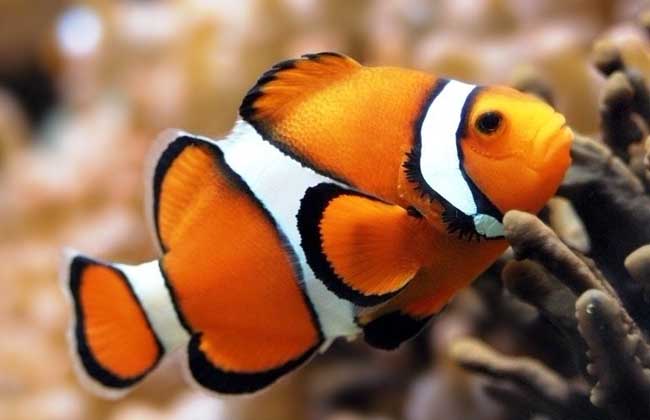
The clownfish is a tropical saltwater fish, commonly known as a group of fish in the subfamily Amphiprioninae of the family Pomacentridae. It has an inseparable symbiotic relationship with sea anemones, which is why it is also called the anemonefish. The stinging sea anemone protects the clownfish, while the clownfish eats the remnants after the sea anemone digests its food, forming a mutually beneficial symbiotic relationship. Let's take a look below at whether clownfish are easy to keep!
Are Clownfish Easy to Keep?
Clownfish are fairly easy to keep. The seawater equipment and seawater living conditions that clownfish require mean a seawater tank must first be equipped with a protein skimmer, a wave maker, a chiller, a heater, a seawater tank light, and a salinity hydrometer. As for water quality conditions, the suitable water quality conditions for clownfish to survive are a water temperature of 26-27°C, a seawater salinity specific gravity of 1.022-1.023, a seawater pH between 8.0-8.5, and a water hardness of 7-9 degrees. Finally, sea anemones are generally kept in seawater tanks housing clownfish; the clownfish relies on the sea anemone to avoid being attacked, and the sea anemone relies on the clownfish to capture food.
What Do Clownfish Eat?
Clownfish are omnivorous fish. The food for captive-bred clownfish is relatively simple; pellet food, crushed shrimp meat, or other omnivorous bait will all do. However, during the first two months, some natural astaxanthin and spirulina powder should be added to the food to make the fish's colors more vivid. Because the domestication time at breeding farms is relatively short, it is even better if some brine shrimp can be added after feeding.
How Are Clownfish Kept?
1. Rearing environment: To keep clownfish, you first need to create a comfortable and cozy environment for them. Find a few pieces of live rock and build a small cave with a natural barrier for them, keeping appropriate water flow inside the cave. It is best to place an oval pebble inside the cave, with the pebble resting against the outside of the cave entrance. Since clownfish live symbiotically with sea anemones, it is best to find a relatively large sea anemone and place it at the cave entrance to protect the clownfish.
2. Quarantine before entering the tank: When keeping multiple clownfish, try to put them into the tank at the same time. When clownfish are bought back, they should first be quarantined, and once confirmed to be fine, they can be put into the tank. It should be noted that the suitable water temperature for clownfish to survive is 26-27°C, the seawater specific gravity is 1.022-1.023, the seawater pH is between 8.0-8.5, and the water hardness is 7-9 degrees. Try to adjust the water quality and water temperature to within this range.
3. Acclimation and feeding: After clownfish arrive in a new environment, they may need an adaptation period of 2-3 days. During these days, there is no need to feed them. After the adaptation period, get the clownfish to start eating, first feeding them brine shrimp, then gradually switching to flake food. Once they have completely settled down, pellet food, crushed shrimp meat, or other omnivorous bait will all do.
4. Light control: If clownfish are kept in a bare tank, the water flow must be reduced at night so as not to disturb the clownfish's rest and thereby affect their development. Also, before they grow into adult fish, they must be given sufficient light, as fish grow relatively fast at this time and insufficient light can easily affect their development.