What exactly is the purpose of growing aquatic plants in a fish tank?
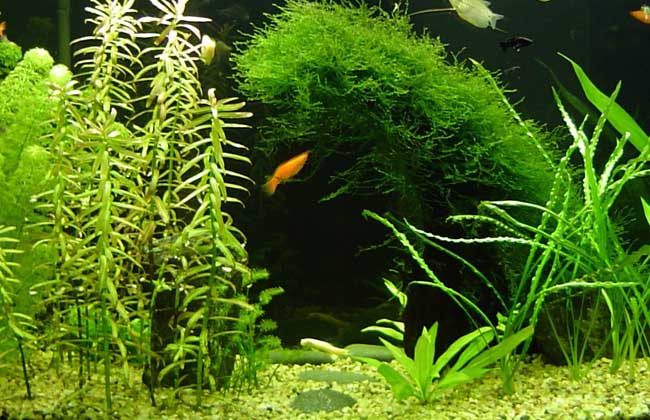
Aquatic plants generally refer to herbaceous plants that can grow in water. Together with aquatic animals, substrate sand and water, they create a circulating ecosystem. They not only greatly enhance the ornamental value of the fish, but also promote the growth and reproduction of the fish. Therefore, aquatic plant cultivation is very important. Let us take a look below at the role of growing aquatic plants in a fish tank!
Is it good to grow aquatic plants in a fish tank?
It is good to grow aquatic plants in a fish tank. A tank of lush aquatic plants not only achieves a decorative landscape effect for the aquarium, but more importantly can also improve and regulate the water quality in the aquarium, and can provide the aquarium with sufficient oxygen and disease-resistant substances. They can also decompose toxic substances and pollutants in the water, thus stabilizing water quality.
The role of growing aquatic plants in a fish tank
1. The metabolism of fish in the aquarium and the decomposition of feed easily produce large amounts of ammonia and nitrite, which through action form nitrate. Nitrate is not decomposed and accumulates in the water, causing water quality to deteriorate and destroying the entire aquatic living environment. Aquatic plants have the function of absorbing nitrate, reducing the accumulation of nitrate in the water and purifying water quality.
2. During their growth process, aquatic plants can release effective antibiotics, kill germs and pathogens in the water, reduce the content of harmful microorganisms in the water, protect fish from bacterial invasion and promote healthy fish growth.
3. Aquatic plants can absorb minerals, carbon dioxide, organic matter and other substances from the water and process them. While processing them, they reduce harmful substances in the water and reduce water pollution. They can also produce oxygen through photosynthesis, increasing the dissolved oxygen content of the water. In this way they directly provide fish and other aquatic organisms with the driving force for survival and balance the overall state of the water quality.
4. The most important function of aquatic plants in an aquarium is to enable fish to reproduce in the aquarium, and some fish especially like to lay their eggs on the surfaces of aquatic plant leaves. Without aquatic plants, fry would have nowhere to hide in the aquarium, and could therefore be attacked by large fish that eat them.
5. Densely planting well-growing aquatic plants in an aquarium is the best way to prevent algae from spreading, because when competing with algae for nutrients, aquatic plants have a significant advantage. Of course, the prerequisite for aquatic plants being stronger than algae is that they must grow and reproduce in a strong and healthy way in the aquarium.
Precautions for growing aquatic plants in a fish tank
1. Before planting, the aquatic plants must first be disinfected. Newly purchased aquatic plants should be soaked in a 1% potassium permanganate solution for about 10 minutes for disinfection treatment. This can kill parasites and bacteria on the plants, then rinse them clean with clear water and set them aside for use.
2. Do not use mud at the bottom of the fish tank to plant aquatic plants. Choose sand instead, because using mud will make the water in the fish tank cloudy. When choosing sand, do not choose sand grains that are too fine; a diameter of 2 to 5 mm is best.
3. The layout of the fish tank should be reasonable. Generally, tall varieties are always planted at the rear of the tank, short varieties at the front, and varieties with wide, large leaves in the middle. At the same time, they should be properly matched with the rocks in the tank, with appropriate density. Aquatic plants should not be planted too densely, otherwise it not only hinders viewing, but also affects the growth of ornamental fish because more oxygen is consumed at night.
4. If you buy aquatic plants with rhizomes, do not plant the rhizomes too deep. Planting them too deep will cause the aquatic plants to rot or grow poorly.
5. Pay attention to the lighting of the fish tank. Aquatic plants need good lighting to grow normally. Avoid prolonged direct sunlight; indirect sunlight is best, or a fluorescent lamp can be mounted above the fish tank.
6. Pay attention to the water temperature. Water temperature that is too high or too low will affect the normal growth of aquatic plants. The water temperature should be controlled between 18 and 25°C.
7. It is good to plant aquatic plants in a fish tank, but do not put the fish in immediately. Generally, after planting aquatic plants, wait one week before adding fish for rearing. This can ensure that the roots of the aquatic plants are not loosened by the fish, allowing the aquatic plants to take root and grow well.