What do sardines eat? An introduction to their feeding habits
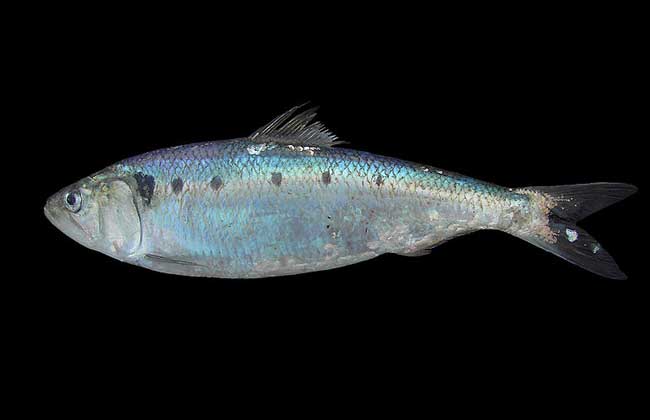
Sardines are a collective term for certain edible fish of the genera Sardina, Sardinella and Sardinops, as well as some other edible fish of the family Clupeidae, in the order Clupeiformes of the class Osteichthyes; the term also refers to the common herring (Clupea harengus) used to make oil-packed canned fish, as well as other small herrings or herring-like fish. They are named after being first caught in Sardinia, Italy, and are distributed in isothermal temperate ocean regions between 6 and 20 degrees north and south latitude. Let's take a look below at what sardines eat!
What do sardines eat?
Sardines mainly feed on plankton, which varies with fish species, sea area and season, and differs between adult and juvenile fish. For example, adult golden sardines (Sardinella aurita) mainly feed on planktonic crustaceans (including copepods, brachyuran larvae, amphipods and mysids), and also feed on diatoms. Juveniles, in addition to feeding on planktonic crustacean larvae, also eat diatoms and dinoflagellates. At night they are attracted to light, so fishermen generally use light purse seines, drift gillnets, large haul seines and set nets to catch them.
Are sardines deep-sea fish?
Sardines are deep-sea fish. Sardines are warm-water fish of coastal waters, generally not found in the open sea or ocean, and usually inhabit the middle and upper layers. In autumn and winter, adult fish live in deep water beyond 70-80 m; in spring, as coastal water temperatures rise, the schools make a spawning migration toward the shore; after hatching, fry and juveniles grow up feeding along the coast; in summer they gradually migrate northward with the warm current of the South China Sea; in autumn, as surface water temperatures drop, they migrate southward; after October, when the fish have grown to more than 150 mm, they gradually move to deeper sea areas as coastal water temperatures fall.
Where do sardines come from?
1. Genus Sardina: Sardina are schooling migratory fish. They are distributed in the northeastern Atlantic and along the Mediterranean coast, and are not found in China.
2. Genus Sardinops: the Far Eastern sardine (Sardinops sagax melanostictus) is distributed in eastern Honshu, southwestern Kyushu, the Sea of Japan and the Korea Strait; the California sardine (Sardinops sagax caerulea) is produced along the coast of California, USA and western Canada; the South American sardine (Sardinops sagax sagax) is produced along the coasts of Chile and Peru in South America; the Australian sardine (Sardinops sagax neopilchardus) is produced in Australia and New Zealand; the South African sardine (Sardinops sagax ocellatus) is distributed along the coasts of southern Africa, Angola and Namibia.
3. Genus Sardinella: Sardinella has the most species, with more than 20 in total, of which 16 are distributed in the various sea areas of the Indo-West Pacific, such as the long-headed sardine (Sardinella longiceps), the golden sardine (Sardinella aurita) and the scaled sardine (Sardinella lemuru). There are 3 species in the eastern Pacific, namely the Japanese banded sardine, the Panama sardine (Sardinella anchovia) and the big-eyed sardine (Sardinella macrophthalma). There are also 3 species in the western Atlantic, namely the golden sardine, the Brazilian sardine (Sardinella brasiliensis) and the Bermuda sardine (Sardinella janeiro). There are 4 species in the eastern Atlantic, namely the golden sardine, the Madeira sardine (Sardinella maderensis), the Erba sardine and the Cameroon sardine (Sardinella cameronensis).