Jade plant bonsai is already difficult enough, but I never expected it could also produce small white flowers.
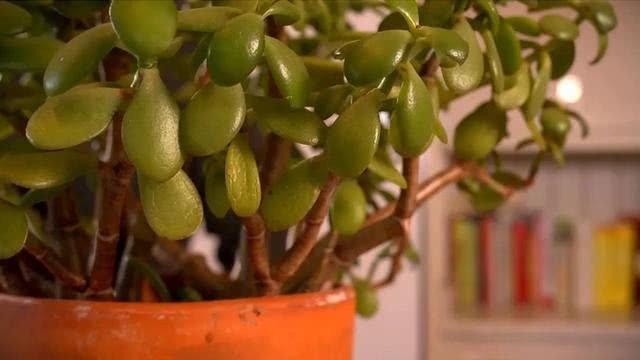
Having grown a jade plant for several years, it looks no different from a tree, except perhaps for its woody branches and stems and its plump, fleshy leaves. Like most succulents, it comes from southern Africa. If grown in the wild, it is relatively easy to care for, and the plant can grow very tall, but when grown in a pot, it is not so easy. Although it is not easy, I never expected it to still produce small white flowers. I am really excited. Thinking about it, this must be inseparable from daily care. So today let's talk about how I usually grow potted jade plant bonsai.
1. Making jade plant into bonsai
Although the branches and leaves of the jade plant keep growing longer, the branches and stems at the bottom simultaneously keep becoming woody, which is also an important factor in why the jade plant can be used for bonsai. When the jade plant is in its vigorous growth period, pruning work needs to be done regularly. Try to keep several main trunks at the bottom, and it is best not to leave branches at the base of the roots and stems, otherwise they will take away a fixed amount of nutrients and affect the jade plant's growth and shaping.
After the jade plant matures, in each pruning session you will need to cut about 40 percent of the branches and leaves. Do not prune too severely. Make sure the pruning shears are sharp enough, and disinfect them beforehand to avoid bacteria carried on the shears infecting the cut wounds of the jade plant and causing unnecessary disease. If you want the jade plant to grow into a more attractive shape, you can use some copper wire to assist the growth of the branches. With the help of copper wire, the jade plant can be shaped into different forms.
2. Care points to note
1. You can fertilize the jade plant in spring and autumn. Generally, apply a light fertilizer once or twice a month. When the temperature starts to drop in late autumn, stop fertilizing. In winter, control the water given, and keep the potting soil slightly dry, and in this way the jade plant can produce small flowers.
If you want to encourage the jade plant to produce more flowers, pay attention to supplementing light during ordinary care. The winter temperature should not be too high, and the temperature difference between day and night should not be too large. Combined with water regulation, more flower buds will sprout.
2. In spring, as the temperature keeps rising, the jade plant gradually resumes growth from its dormant period. At this time, it needs sufficient sunlight, and water supplementation should also be increased slowly. If the outdoor temperature has already reached the teens in degrees, it can be placed in a spot with light and without rain for care. No matter what stage the jade plant is in, water needs to be controlled, and try as much as possible to avoid root rot caused by the potting soil being too wet. Therefore, watering when the potting soil turns white and dry is the best watering method. If there is a thunderstorm, it is best to move it indoors for care and also appropriately reduce the amount of watering, because the air humidity on rainy days is relatively high.
3. The soil used for jade plant bonsai is best chosen to be relatively loose in texture and well drained, so as to avoid water accumulating in the soil and infecting the roots with disease. You can directly use charcoal soil mixed with river sand.
Fellow plant lovers who grow jade plants, if you want to see your jade plant bonsai also produce small white flowers, perhaps the points mentioned above will be helpful to you. If you still have any questions, you are welcome to bother me.