Mix a little of this into your potting soil and it will still bloom without fertilizing for half a year
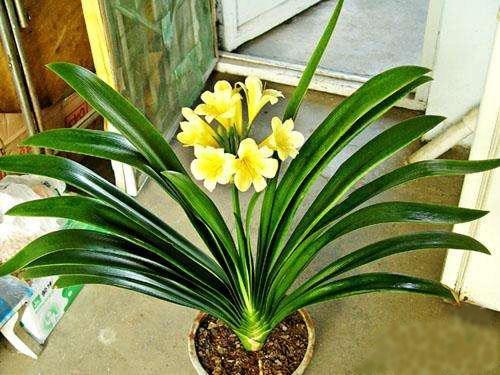
Growing flowers not only beautifies your home, but also cultivates your character, and the process of growing flowers is full of all kinds of fun. For example, using some little tricks from daily life to grow flowers. And these little flower-growing tips are mostly summed up by flower lovers after many years of trial and error. For example, watering clivia with beer, burying soybeans under the pot of spider plant, and watering Chinese roses with rice-washing water, and so on.
Of course, there is also mixing your own potting soil, making your own compost, and so on. Growing flowers can really be called a branch of knowledge, with a lot to learn, and it takes time to learn it bit by bit. Today, let us share some knowledge about soil.
Many flower lovers, when mixing potting soil, blend in materials such as leaf mold, pine needles and clay pellets. Basically all flowers love the environment that leaf mold provides. The main reason is that leaf mold is itself the product of fallen leaves accumulating, fermenting and decomposing over a long period. Its composition is rich in humus and various trace elements such as nitrogen and phosphorus. It is very practical for growing flowers, as it can raise the root system's absorption capacity, and thereby promote flower budding and blooming.
Blending "bone meal, Chinese medicine residue" and the like into flower soil can boost the fertility of the potting soil and promote flowers taking root and growing.
Bone meal contains large amounts of elements such as phosphorus and calcium, and when bone meal blends with leaf mold, it raises the fertility of the potting soil. As for Chinese medicine residue, it is mostly the leftover impurities of Chinese medicine ingredients, and they are all rich in trace substances, which can promote robust root growth and resistance to root rot. As the saying goes, to grow flowers you must first grow roots. When the root system grows well, the flowers naturally grow well.
The prerequisite for using bones and Chinese medicine residue to grow flowers is that they must be disinfected. The specific procedure is: after washing the bones and Chinese medicine residue clean, crush them and then put them in the sun to bake for one midday. Afterwards they can be blended directly into the potting soil, and mixed evenly with materials such as leaf mold and pine needles.
After planting the flowers in the potting soil, water once thoroughly the next day, which helps the nutrients break down. Under normal circumstances, basically there is no need to fertilize the flowers again within a year.
For many potted flowers, the soil they come in when bought from the flower market is generally rather poor, with not much nutrients in it, so you must repot them in time. And while you are at it, switch to potting soil you mixed yourself. The potting soil mixed according to the tips just described is basically suitable for all flowers and plants. It is especially suitable for clivia, kalanchoe, wax begonia, geranium, potted Chinese rose, as well as spider plant, pothos and so on.
Care of potted Chinese roses:
The suitable growing temperature is 15-26°C. They like a warm environment with plenty of sunlight and good air circulation. It is recommended to place them on a balcony, where there is both ventilation and indirect light. Chinese roses are not strict about soil, but if you use the potting soil described above, the blooming period will be extended by one to two months. In addition, when growing Chinese roses in summer, remember to water less; generally watering once a week is enough.
For more knowledge about flowers and potted plants, welcome to follow Potted Plant Nook, where you can see flower-growing tips every day!
Remember to like and share~