How long is the lifespan of a tiger fish, and how many years can it generally live?
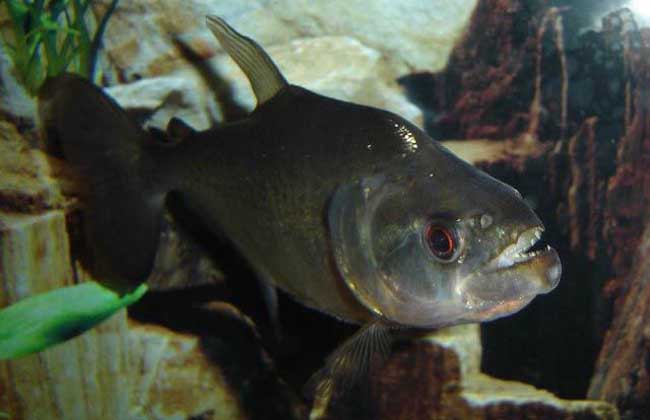
The tiger fish is found throughout the freshwater rivers of Africa and is a highly valued sport fishing species. In recent years it has become increasingly popular and beloved, and is now not merely an alternative fish for keeping with arowanas, but has become a darling of the aquarium. Common tiger fish species include the Indonesian tiger, the Thai tiger, and the Northern Thai tiger, among others. Let's take a look below at how long the tiger fish lives!
How long is the lifespan of a tiger fish?
Theoretically, the lifespan of both the Thai tiger fish and the Indonesian tiger fish is around 16 years, but they always fail to live that long due to various problems. Take wild tiger fish, for example: they may lose their lives because they face natural enemies in their environment or attacks from fish that are stronger or larger than themselves. Tiger fish kept in home aquariums may die because of poor water quality, unsuitable temperature, and other poor husbandry practices. In short, life is not easy, so cherish it while you keep it.
What food does the tiger fish eat?
The tiger fish has strong vitality and does not easily die out of water. It mainly feeds on crustaceans such as shrimp and crabs, small fish, clam larvae, and so on. Some feed on benthic diatoms, and freshwater species also eat aquatic insects and worms. After being trained to accept food, tiger fish can adapt to some artificial feeds, such as beef, mealworms, insects, fish chunks, hamburger, and so on.
How is the tiger fish best kept?
1. Keeping environment: The optimal water temperature for tiger fish is 22-26°C, and the pH value is 6.5-7.5 (weakly acidic to neutral soft water, with neutral to slightly alkaline being preferable). It is very sensitive to water quality. If your tiger fish's body color often changes and is unstable (too dark or discolored), it is very likely caused by a water quality problem. Please test whether ammonia nitrogen, nitrite, nitrate, and pH are within the normal range, and also whether dissolved oxygen is sufficient. Apart from this, it may also be caused by space limitations or attacks by other fish. If none of the above is the case, you can consider adjusting the salt content in the water, because some tiger fish like brackish water. You should imitate the natural environment as much as possible, plant some aquatic plants, place some rocks, make some stone caves, and you can also use some ceramic flower pots to simulate rock caves. This can make the tiger fish happier. Sufficient dissolved oxygen and a certain water flow are indispensable for tiger fish.
2. Feeding management: When feeding live food to tiger fish, it is recommended to wash and inspect it beforehand to see whether the feed is contaminated. Crucian carp, common carp, grass carp, and so on should have their scales, internal organs, and gills removed, and then be disinfected with salt water before use, because river fish carry a large amount of parasitic bacteria and some parasites. Shrimp rostrums may pierce the fish's stomach, leading to enteritis and digestive system diseases. Beef should have the fatty parts removed to ensure that the fish's digestion does not become loose due to greasiness. Other feeds also all need to be processed. If you are rather lazy, these steps can be simplified, but if you ignore this detail, it is very likely to bring unnecessary losses. All of this is for the fish's health.
3. Intestinal diseases: Because the tiger fish is a large predatory fish, it is inevitably disturbed by some external pathogens. Generally speaking, the uniform manifestation of infection with intestinal diseases is a white, or yellow, semi-transparent object trailing from the vent. By the time it can be observed with the naked eye, it is already somewhat late. When tiger fish contract this disease, the commonly used medicines are gentamicin and furazolidone used in combination. The dosage is appropriately increased or decreased according to the size of the tank. Generally speaking, 800,000 units of gentamicin plus 1.6 grams of furazolidone per cubic meter. As for whether the disease can be cured, it depends on whether you are careful and on the fish's fate. Generally speaking, once they contract a gastrointestinal disease, about 50% of fish cannot escape this disaster.
4. Fungal infection: The disease that tiger fish are most prone to is eye disease, that is, a white cloudy layer on the outside of the eye. Tiger fish rarely get parasitic eye diseases. When tiger fish show such symptoms, it is very likely a fungal infection after a scratch. If not treated in time, it can cause the entire eye to become completely blind in about 2 weeks. When encountering such a problem, what you need to do is eliminate the fungus. The method is to add nitrofurazone (commonly called yellow powder) to the water. Buying the large medical pack is better (higher purity). The dosage is 0.4 grams of this product per 100 kilograms of water (200 jin). Nitrofurazone is in powder form and not easy to dissolve, so before adding it you can first stir it in a small container, then pour it into the tank together with the medicated water.
5. Red spot disease: Dramatically called acne. As the name suggests, it means small red spots growing on the fish's body. The shapes of the spots vary: there are long strip-shaped, flat, round, or externally extending forms, with round ones being the majority. In severe cases during the disease period, it can cause perforation at the affected area and skin peeling. When encountering this disease, increase the amount of salt used and use it together with potassium permanganate, with the dosage depending on the condition. Generally speaking, it is enough when the water in the tank turns slightly purple. The effect is very good. You can also use malachite green together with salt. Let me emphasize here that salt refers to sea salt, that is, sun-dried and untreated salt. Household table salt contains a large amount of iodine, and excessive iodine content can directly cause the fish's gills to lose their respiratory function. This is also one of the reasons why freshwater fish cannot live in seawater.