What Do Tigerfish Eat? A Detailed Guide to Diet, Feed Combinations and Feeding Methods
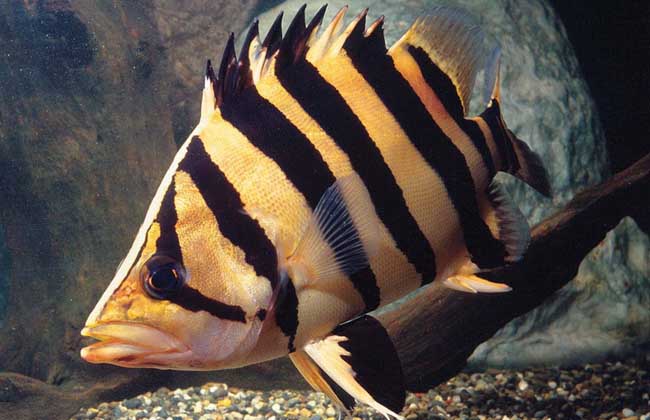
Tigerfish is a general term for several species of fish named after their aggressive nature when caught, their strong predatory habits, or their appearance. They inhabit nearshore intertidal zones or shallow sea areas with mud, sand or rocky reefs as the substrate, and some also live in the mudflats of estuarine brackish waters. Some species live in freshwater, and a few live in torrents or burrow in mud holes. Let's take a look below at what tigerfish eat!
What Do Tigerfish Eat?
Tigerfish have strong vitality and are not easy to die out of water. They mainly feed on crustaceans such as shrimp and crabs, small fish, clam larvae, etc. Some feed on benthic diatoms, and freshwater species also eat aquatic insects and worms. After being trained to accept food, tigerfish can adapt to some artificial feeds, such as beef, breadworms, insects, fish chunks, hamburger, etc.
The Living Environment of Tigerfish
Most tigerfish are not strong swimmers and have a relatively narrow range of activity. They inhabit nearshore intertidal zones or shallow sea areas with mud, sand or rocky reefs as the substrate, and some also live in the mudflats of estuarine brackish waters. Some species live in freshwater, and a few live in torrents or burrow in mud holes. They reach sexual maturity relatively early; generally, carnivorous species mature in one year, and herbivorous species mature in two years. They are found throughout the freshwater rivers of Africa and are a highly valued sport fishing species, not a protected animal.
The Breeding Habits of Tigerfish
Tigerfish are a very precious food fish in their place of origin. Breeding is a rather mysterious issue, because tigerfish live in the deep sea, people lack understanding of their living patterns, and information on tigerfish breeding is rarely seen. In China, tigerfish almost completely rely on imports, and even abroad a large portion are caught in the wild, with few breeding farms, so the price has remained high.