What is the average lifespan of neon tetras?
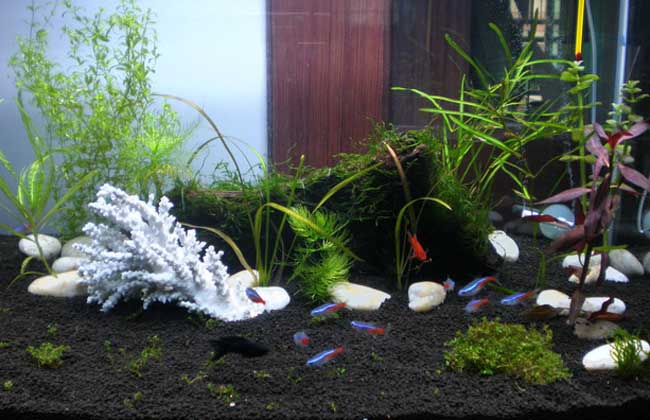
In the wild, neon tetras are mainly distributed in the border area between Brazil and Colombia and in the various tributaries of the upper Amazon River within Peru. They are fish of the genus Paracheirodon in the family Characidae. Because of their extremely brilliant body colors, neon tetras have the reputation of being the "queen" among tropical fish and are a highly popular ornamental fish. Now let us take a look at how long neon tetras live!
How long do neon tetras live?
The normal lifespan of neon tetras is 1 to 2 years, so when keeping neon tetras, what to feed them so that they stay healthy and well has become a issue of greater concern to many fish keepers. In fact, when keeping neon tetras, in addition to paying attention to the choice of feed for neon tetras, issues such as the rearing environment also require special attention.
What food do neon tetras eat?
Neon tetras like to be active near the bottom, are omnivorous, and in the wild will eat some small insects and plant debris. When kept artificially, they can be fed artificial bait, water fleas, bloodworms and other foods. They also like to swim in schools, so when keeping them it is better to keep a whole school swimming in the fish tank.
The rearing environment for neon tetras
Neon tetras are sensitive to water quality. In the north, the most suitable temperature for keeping them is 24°C and weakly acidic water. When new fish are put into the tank, at least 1/5 new water must be exchanged to reduce the mortality rate. After they adapt to the tank, an old-water and high-oxygen environment should be maintained. To put it simply, new fish need new water, and old fish need old water. Add bactericidal medicine before new fish are put into the tank and before each water change. Gentamicin or cephalosporin are both fine. For a tank no more than 2000 mm, 4 to 6 sticks are enough.
How should neon tetras be bred?
Breeding neon tetras is relatively difficult, mainly shown in the high requirements for breeding water quality and the special care requirements for the fry. For breeding water, extremely soft distilled water must be selected, then sodium dihydrogen phosphate is used to adjust the water pH to 5.6 to 6.5, then a relatively large air pump is used to aerate it for 2 to 3 days, and it is poured into a large-mouth glass bottle for later use. On the bottom of the large-mouth glass bottle (90 mm mouth diameter, 180 mm height, 130 mm depth), lay a layer of nylon mesh plate (the mesh size should not allow the parent fish to pass through), then lay a small amount of hair grass on the mesh plate, and place a pair of parent fish in each bottle. To increase output, 50 to 100 glass bottles are usually needed in the hatching room.