Brine Shrimp Hatching Techniques Explained: A Complete Guide to Methods and Steps
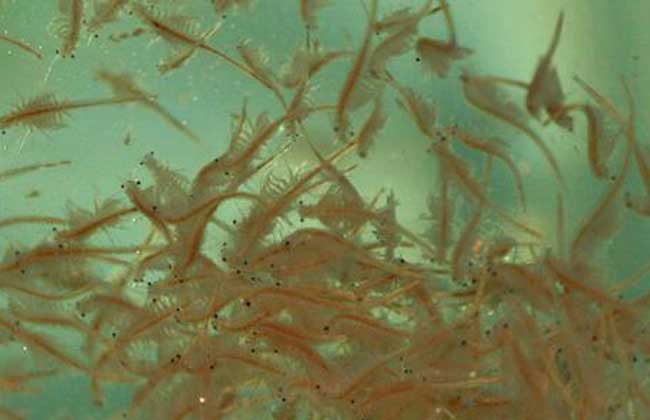
Brine shrimp, also known as brine worm, fairy shrimp, and other names, are widely distributed in salt pans or salt lakes on land and are extensively used in aquaculture. Their reproductive modes can be divided into oviparous and ovoviviparous. Under poor conditions such as high salinity and low dissolved oxygen, they are induced to reproduce oviparously and form resting eggs (cysts). Under low salinity and high dissolved oxygen, fertilized eggs develop directly into nauplii. Let's take a look at brine shrimp hatching techniques below!
Reproductive Modes
Brine shrimp have two reproductive forms: parthenogenesis and bisexual reproduction (i.e., parthenogenesis). Both reproductive forms can produce ovoviviparous nauplii or directly release eggs. In the case of direct egg release, the eggs produced are divided into summer eggs and winter eggs. After being released, summer eggs hatch rapidly in water into nauplii, which are basically the same as the ovoviviparous nauplii directly produced by the mother. Winter eggs, however, are resting eggs, generally produced only when the brine shrimp's living environment undergoes relatively large changes, such as temperature drops, increased seawater specific gravity, lack of food, chemical stimulation, and other conditions. Resting eggs have thick shells and can endure harsh environmental conditions. They generally do not hatch directly in water and require a certain diapause period before returning to water to hatch. Most resting eggs are buoyant.
Hatching Conditions
1. Salinity: 10 to 15 parts per thousand (10-15 ppt) is optimal, meaning every liter of water contains 10-15 grams of salt, which converts to a specific gravity of approximately 1.01-1.02 (natural seawater contains 30-35 grams of salt per liter, i.e., 30-35 ppt, with a specific gravity of 1.022-1.026).
2. Temperature: Water temperature should be between 25-30°C. Higher temperatures help shorten hatching time.
3. pH: pH should be between 7.5-8.5
4. Dissolved oxygen: Generally, aeration is needed to make the water boil-like to provide sufficient dissolved oxygen (nearly saturated). Hatching time varies with brine shrimp species and water temperature, generally between 18-36 hours.
Selecting Shrimp Eggs
1. Good brine shrimp eggs should be brown and glossy, with no moist feeling to the touch, no musty or fishy odor, and low mud and sand content.
2. Use two pieces of glass to crush the eggs, count the number of eggs with oil droplets and eggs without oil droplets among the crushed eggs, and determine the ratio of good eggs to bad eggs (eggs with oil droplets are good eggs). If there are many eggs without oil droplets, the reason may be that a large number of egg shells are mixed in. Pay extra attention when purchasing.
3. Observe with a magnifying glass and roughly estimate the proportion of round, shriveled, and damaged eggs. Sunken eggs are mostly caused by dehydration; if not damaged, they are good eggs.
4. If conditions permit, samples can be taken for hatching. When the hatching rate is the same and the number of hatched nauplii is the same, the brine shrimp eggs that require shorter time are better. Such eggs have more uniform hatching times, making collection easier.
Hatching Methods
1. Shallow tray hatching method: Take a long, shallow tray, fill it with previously prepared hatching water, evenly sprinkle brine shrimp eggs on the water surface, and let it sit for 24-36 hours to hatch into nauplii. When collecting, use light to gather the nauplii to one end of the tray and collect them with a dropper for later use. This method is not suitable for large-scale hatching.
2. Deep water hatching method: Take a deep and wide container (a 2-liter plastic bottle), fill it with prepared hatching water, pour in an appropriate amount of brine shrimp eggs, then insert an aeration hose and use aeration to make the water roll so that the shrimp eggs tumble in the water. After 24-36 hours, they will hatch into nauplii. This is currently the most common method.