A detailed guide to rose sowing methods, watching it grow from a young age
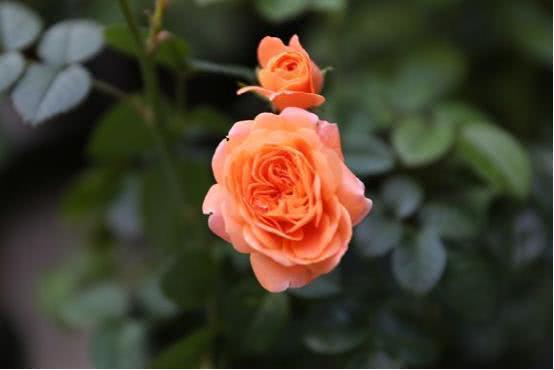
I believe many people, when they first grow flowers, buy potted plants that have already grown quite a bit from the flower and bird market and take them home. Because this is indeed convenient, and after the flower shop owner has grown them well, you take them home pot and all, and the survival rate is basically very high. But after buying a few pots, do you feel it is a bit boring? Why not try growing them from seeds?
Generally speaking, roses can produce seeds in autumn. If the roses you grow happen to have some, that is even better. You can dig out the seeds, wash them clean, then dry them and store them in a dry place. You can also put them in the refrigerator for cold storage, placing the seeds together with perlite in a sealed plastic bag, and after about one month of refrigeration they can be sown.
The best sowing time is spring, as spring's temperature and humidity are the most suitable season for seed germination. However, sowing in other seasons is also completely possible, but winter with lower temperatures is not recommended, as the seed germination rate will be greatly reduced, especially when the temperature is below 10 degrees, do not try it at all.
For sowing, besides the weather, the soil mix is also very important. For the soil mix, it is strongly not recommended to use a single type of soil, because the suitable environment for seed germination is best kept moist but not waterlogged, and a mixed substrate soil can increase the seed germination rate when the temperature cannot be changed.
Here is a simple soil mix recommendation for everyone to refer to, or you can replace it with similar substrates. Using three to four types of substrate is relatively up to standard. You can use a mix of humus soil, peat, vermiculite and perlite, with a ratio of 7:1:1:1. For simplicity, you can use just a mix of humus soil, peat and vermiculite, or a mix of humus soil, peat and perlite.
After the soil is prepared, evenly scatter the seeds on the surface of the soil. This ratio can be adjusted as you see fit. I recommend one seedling per cm is relatively suitable, though of course it cannot be guaranteed that all seeds will germinate. Sparse spacing of seedlings saves you from having to repot them too early later on.
Then cover the seeds with a thin layer of soil. You can choose humus soil or vermiculite for this; it does not matter much either way.
After the surface soil is laid, water it, and the water must thoroughly soak through. Under normal conditions, they can germinate in about ten days, or about half a month for slower ones. Note that before germination and within one month after germination, do not let the seeds and seedlings be exposed to harsh sun. Because only a thin layer of soil is spread on top of the seeds, harsh sun can easily dry out the surface soil, and the seeds can easily become short of water. Place them in a cool place with a bit of sunlight for care.