Key Technical Points and Detailed Methods for Brine Shrimp Culture
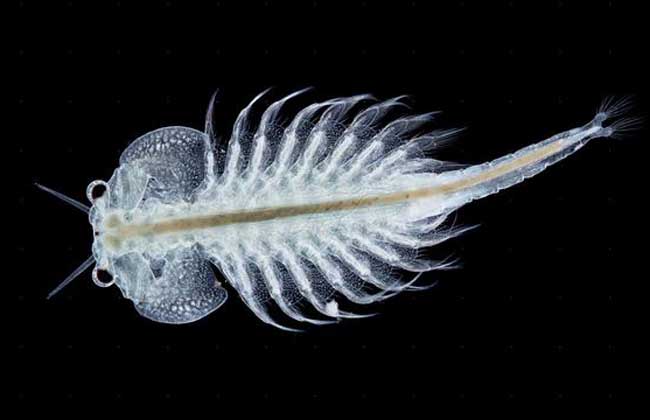
Brine shrimp, also known as brine worm or fairy shrimp, is an arthropod of the genus Artemia in the family Artemiidae. It is widely distributed in salt pans or salt lakes on land and is widely used as a high-quality live bait in aquaculture. It is rich in protein and fatty acids, making it an excellent bait for fish, shrimp and other fry. Let us take a look at brine shrimp culture techniques below!
Culture Equipment
Brine shrimp culture requires almost no equipment. They can survive in environments with very low oxygen content and generally do not need aeration. In the high-temperature summer season, the dissolved oxygen content in water is relatively low. If the culture density is high, leftover bait after feeding may sometimes deteriorate and cause severe oxygen deficiency in the water. At this time, an air pump can also be used for aeration to supplement oxygen, but brine shrimp have very weak swimming ability, so the aeration should not create too strong a water flow, otherwise they can only drift with the current and cannot feed on their own. The range of temperatures they can tolerate is also extremely wide. They can survive in salt water under ice, and temperatures as high as 40 degrees in summer will not cause mass death (if there is oxygen deficiency at high temperatures, only a small number will die). Generally, for the sake of cost, there is no need to add heating. They can also tolerate high ammonia and high pollution, and no filtration equipment is needed under home culture conditions.
Hatching Method
Brine shrimp eggs are generally stored refrigerated. Before hatching, they should be placed dry at room temperature for about a week in advance, otherwise the hatching rate will be relatively low. For small-scale hatching, a small container that is narrow at the bottom and wide at the top can be used as a hatchery and filled with lightly salted water. The water used for hatching is just the opposite of the water used for culture: very dilute seawater should be used, roughly half seawater and half freshwater, for the highest hatching rate. It should be boiled for disinfection before use to prevent the introduction of microorganisms. Install an aeration port at the bottom of the container and aerate gently so that bubbles rise slowly from the bottom, but the aeration volume must not be too large. If the water temperature can be maintained at 20 to 30 degrees, the hatching rate will be better, and lower temperatures will not have a serious effect. For brine shrimp eggs from different origins, the time for the first batch of nauplii to hatch will differ somewhat, about one day to one and a half days. At this point, aeration should be stopped and the water left to stand for ten to twenty minutes so that it settles and separates into layers. The nauplii will swim in the middle layer of the water, the empty egg shells will float on the surface, and dead eggs and unhatched eggs will sink to the bottom. Use a pipette to draw out the water from the middle layer containing the nauplii and pour it directly into the culture tank. After that, lightly salted water can still be added to the hatchery and aeration continued for one or two more days, and more nauplii will continue to hatch.
Bait Feeding
The best food for brine shrimp is the planktonic algae in seawater. After exposure to sunlight, large amounts of algae will naturally grow in seawater for brine shrimp to feed on, and under normal circumstances no feeding is necessary. However, under conditions of relatively high culture density, other tiny organic particles can also be supplemented to increase the number of brine shrimp. Under home culture conditions, organic wastewater can be continuously added to the water, such as wastewater from a protein skimmer, rice-washing water, or milk and yeast powder (after dissolving in water). However, when supplementing these wastewaters with very high organic content, the principle of preferring less over excess should be adhered to, and it should be controlled to the extent that water quality does not turn bad or turbid. If excessive, water quality will deteriorate severely, and brine shrimp will likewise be unable to withstand it and die in large numbers.
Timely Harvesting
Brine shrimp nauplii can mature after more than ten days of feeding. Most adult brine shrimp are female, with few or even no males. Mature female brine shrimp all carry egg sacs, and at this time their nutritional value is the highest, so they can be harvested. If a tank contains brine shrimp of different sizes, or if some brine shrimp have already given birth to young, it is best to use a wide-mesh dip net when harvesting, taking the large ones and leaving the small ones, catching only the mature brine shrimp and letting the small brine shrimp stay in the tank to grow. For subsequent management, the specific gravity of the seawater used for brine shrimp culture is generally above 1.07, and no special attention is needed. After a period of evaporation, when the seawater concentration is relatively high, the brine shrimp will be somewhat redder in color and somewhat smaller in size, but their nutritional value will not be affected.