What are the key points of artificial breeding techniques for the Chinese bulbul?
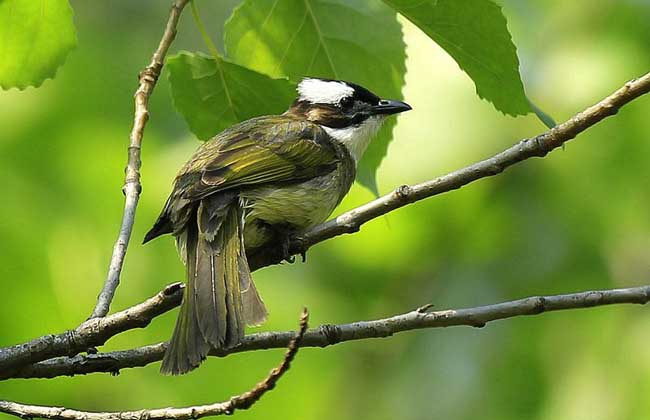
The Chinese bulbul is a common bird in the Yangtze River basin of China and the vast areas to its south. It mostly moves about in trees and shrubs in hills or plains, and is also found in coniferous forests. It is lively by nature and not very afraid of people. It is omnivorous, eating both animal food and plant food, and consumes large numbers of agricultural and forestry pests, making it one of the beneficial birds for agriculture and forestry. Now let us take a look at the artificial breeding techniques for the Chinese bulbul!
Selection of birds
Generally, Chinese bulbuls are kept for the pleasure of hearing their melodious calls, so males are mostly chosen. However, males and females have similar plumage colors and are relatively difficult to distinguish. Experienced people can identify them by such features as the male's chest being darker gray while the female's is lighter, and the male's nape being clearly white while the female's is slightly dull. Young birds have grayish-brown heads, olive-brown backs, and grayish-white abdomens and undertail coverts, making them easy to distinguish from adults. Because adult birds captured in the wild are timid and not easy to tame, nestlings with growing pin feathers or young birds about to leave the nest are usually taken for rearing.
Characteristics of the cage
The Chinese bulbul eats insects and fruit, and its droppings are plentiful and soft, and it likes water baths. Therefore, the bottom of the bird cage should be a open bottom, with a droppings tray underneath, so that droppings can fall through and be cleaned easily. A bamboo cage can be made at home, either round (26 cm in diameter, 30 cm high) or square (26×26×30 cm). In the north, a redstart cage can also be used for keeping it.
Feeding methods
For keeping Chinese bulbuls, one kind of powdered feed can be used as a standing feed, for example, mixing cornmeal, peanut meal, and cooked egg yolk in a ratio of 5:2:3 and feeding it, or feeding redstart powder (mung bean meal, cornmeal, cooked egg yolk, freshwater fish meal, or silkworm pupa meal mixed in a ratio of 5:2:2:1), and frequently supplementing with some fruit and insect larvae and pupae.
Management and training
Under artificial keeping, the Chinese bulbul is a soft-food bird, and the water in the water jar is easily polluted, so it needs to be scrubbed and replaced with fresh drinking water every day. Any fruit fed that is not finished during the day should be taken out. Bath water should be provided every day (in summer) or every other day (in spring and early autumn), and the bird should be left to bathe on its own. The bird cage should be scrubbed once a week. The Chinese bulbul is not cold-tolerant, so when kept in the north it must be moved indoors for the winter, and taking it outside for walks should be stopped.
Keeping requirements
The Chinese bulbul is suited to eating some soft and tender food. The water jar used is very easily polluted, so the water jar must be cleaned every day, and it must always be ensured that the bird drinks clean water. Any water not finished during the day must be replaced. In summer, a water trough should be provided for the Chinese bulbul to bathe in, and it is also needed in spring and autumn, as it will groom itself. The bird cage must be kept clean at all times and thoroughly cleaned once a week.