How to Make a Leech Trap: Methods and Steps Explained
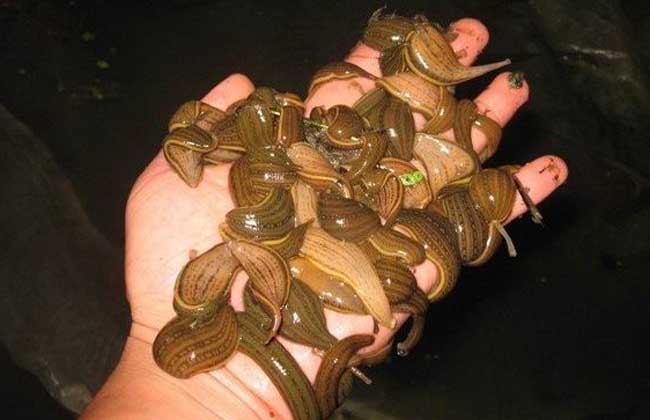
Leeches have high medicinal value and were already recorded in the Shennong Bencao Jing (Divine Farmer's Materia Medica). After being dried and processed, they are used in traditional Chinese medicine and have effects such as treating stroke, high blood pressure, clearing blood stasis, amenorrhea, and bruises and injuries. Historically, they were mainly caught in the wild. With the in-depth development of the medicinal value of leeches, their market demand potential is huge. Let's take a look below at how to make a leech trap!
Straw Bundle Leech Trap
Leeches are usually trapped with pig blood. First, tie dry rice straw into a straw bundle that is tight at both ends and loose in the middle, then inject fresh pig blood (use 0.5 kg per mu of field) into the straw bundle, and place it horizontally at the water inlet of the field. The inflow should not be too strong; generally, it is best if the water can slowly flow into the field through the straw bundle. Let the water slowly wash the pig blood into threads that spread across the whole field. Use the fishy smell of the blood to lure the leeches in the field into the straw bundle to suck the pig blood that has not yet flowed out. Once the leeches are full and their bodies are swollen, it is very hard for them to crawl out again. After placing the straw bundle, take it out 4 to 5 hours later and collect the leeches. If there is no fresh pig blood, blood from chickens, ducks, geese, and other livestock and poultry can be used instead, and the same effect can be achieved.
Bamboo Basket Leech Trap
Use a small bamboo basket with a small hole left in the side. Put some duck blood, pig blood, or chicken blood (coagulated into blocks) in the bamboo basket, and place the basket in the water. Leeches are especially sensitive to substances with a bloody smell, so they crawl into the basket one after another, and you can get them by lifting the basket. If there is no bamboo basket, you can sew a bag from a piece of nylon window screen fabric, leave an opening, put chicken blood or duck blood in the bag, tie a rope to the bag and throw it into the water. After a period of time, lift the bag and you can get leeches.
Window Screen Leech Trap
First, find a place with many leeches; the greater the density, the better. A pond or riverside is recommended. Spread the prepared blood porridge evenly and thoroughly on the window screen, then weigh the window screen down with stones and place it in shallow water. Do not disturb the area nearby in a way that affects leeches approaching, and try not to keep pulling it up to look. It is best to keep it still overnight, as dawn is the leeches' hunting period. Choose the hottest time to open the screen net and collect the leeches attached to it, then apply blood plasma again and put the trap container back into the water to continue trapping.
Processing Methods for Leeches
1. Hanging dry in clear water: Thread the washed leeches onto wire (preferably through the tail), hang them in the sun to dry. After the leeches die, immediately take them off the wire and place them on cement ground or dry them on screen cloth. When drying, smooth them slightly by hand, and try to make sure the dried leeches show no visible wire holes.
2. Boiling water method: The boiling water method is suitable for processing leeches in large quantities. After cleaning the collected leeches, gather them in a container, quickly pour in boiling water, preferably enough to submerge the leeches by 2 to 3 fingers, and after about 20 minutes, once the leeches are scalded to death, scoop them out, wash them clean, and dry them. It is best to dry them on a screen so air can circulate above and below to produce dried goods. If you find some that were not scalded to death, pick them out and scald them again.
3. Alum processing: After putting the washed leeches into a container, add an appropriate amount of alum, 100 kg leeches / 25 jin alum. Then use both hands (wearing rubber gloves) to turn the leeches up and down, rubbing them while turning. Under the action of the alkaline powder, the leeches gradually dehydrate, shrink, and die. After 24 hours, wash them clean with clear water, dry them in the sun, and store them. This method is only suitable for processing dead leeches usually scooped up from ponds, or when the weather has been rainy for a long time and there is no way to dry them in the sun.
4. Wine sealing method: Put the cleaned leeches into a container, pour in high-proof liquor (generally above 50 degrees) until the leech bodies are submerged, cover and seal for about half an hour, and after the leeches are drunk to death, scoop them out, wash them, and dry them in the sun. The dried product from this processing method is of the best quality, but the cost is too high.