Is Raising Hedgehogs Profitable? Analysis of Hedgehog Farming Prospects and Benefits
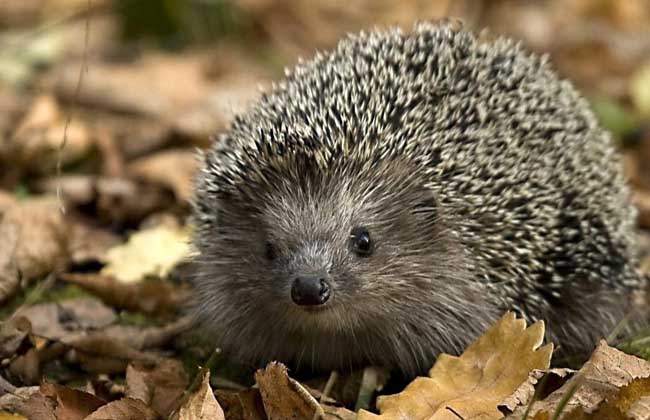
The hedgehog is a precious wild economic animal used both medicinally and as a food delicacy. As living standards rise among residents of coastal open regions and large and medium-sized cities in the interior, demand for wild game is growing, while wild resources are shrinking sharply and supply falls short of demand, making the supply-demand gap in the market increasingly pronounced. The prospects for developing hedgehog farming are therefore very broad. Let us take a look below at whether raising hedgehogs is profitable!
Is Raising Hedgehogs Profitable?
Raising hedgehogs is profitable. Raising 10,000 hedgehogs requires an investment cost of 410,000 yuan (50,000 yuan for building or renovating a farm, 100,000 yuan for introducing 1,000 pairs of breeding stock, 216,000 yuan/year for feed, 30,000 yuan/year for staff wages, 14,000 yuan/year for management fees). When sold at 100 yuan per kilogram, 10,000 hedgehogs bring in 1 million yuan, giving an annual profit of 1 million - 410,000 = 590,000 yuan, and from the second year onward the investment cost is only about 50,000 yuan.
Hedgehog Farming Prospects
1. Hedgehog skin, known as "yixiang" or "xianrenyi", is an important traditional Chinese medicinal material. It has the effects of lowering qi and relieving pain, cooling blood and stopping bleeding, promoting qi flow and removing toxins, and reducing swelling and relieving pain. It is mainly used to treat consumption-related cough, vomiting of food due to regurgitation, abdominal pain with hernia masses, hemorrhoids with fistula and bloody stool, uterine bleeding, spermatorrhea and impotence, enuresis and frequent urination, and other conditions.
2. Hedgehog meat is especially high in protein and fat. Its main medicinal effects are promoting appetite, improving digestive capacity, raising protein utilization, stimulating the hematopoietic system, and significantly increasing hemoglobin, hematin and red blood cells. It is the best health food for patients undergoing chemotherapy, post-operative patients, postpartum women, and those with anemia or gastrointestinal dysfunction. It is also the best nutritional food for frail middle-aged and elderly people and thin children and adolescents, and is a medicinal product for treating various chronic diseases, with enormous development potential.
3. Hedgehog fat can treat severe bloody diarrhea; applied topically it can treat favus and scabies, and it has the effect of killing skin parasites. Drinking wine infused with hedgehog brain, heart, liver, gallbladder, kidney and penis can refresh the mind, sharpen the eyes, eliminate fatigue and strengthen the body and bones.
Advantages of Hedgehog Farming
1. Strong adaptability: Hedgehogs have the habits of preferring quiet, fearing light, hiding by day and coming out at night. After artificial training, hedgehogs are docile, slow-moving and eat very little, requiring feeding only once a day. Hedgehogs are not demanding about their environment and can be kept on balconies, in courtyards, in abandoned houses or on open ground; it is enough to build them a nest and spread dry grass, pine needles or straw inside.
2. Simple to raise: Hedgehogs are omnivores with a wide range of feed sources. Commonly used animal feeds include insects, aquatic products, earthworms and various other small animals, and offal; plant feeds include corn, sorghum, barley, wheat, oats, bran, chaff, melons and fruits, wild vegetables and wild fruits.
3. High reproductive rate: Wild hedgehogs produce 1 to 2 litters a year, while artificially trained hedgehogs can produce 3 to 4 litters a year. Hedgehogs generally mate naturally when in heat, and a female hedgehog can produce up to 6 to 8 young per litter. They have strong disease resistance and are easy to manage; keeping the temperature above 5°C can prevent hibernation. Between 25 and 35°C, they can breed all year round. Young hedgehogs can be sold at about 3 to 4 months of age, generally growing to 1.5 to 2.5 kilograms.
Risks of Hedgehog Farming
1. Hedgehog farming requires a fairly large site (each pair of breeding hedgehogs needs at least 1.5 sq m of rearing space; generally a 100 sq m enclosure suitable for keeping 30 to 50 animals is more appropriate), and it needs to be in a relatively quiet place far from human disturbance.
2. Hedgehog farming requires a certain amount of breeding experience. Before preparing for large-scale farming, it is best to have some accumulated technical knowledge. Do not start large-scale hedgehog farming after just reading a few books or watching a few farming videos; the chance of success is very small and the chance of losing money is very high.
3. To obtain higher hedgehog farming returns, it is best to find a buyer for hedgehog skin and to develop a market for selling hedgehog meat.
4. The wild hedgehog is a national second-class protected animal, and farming hedgehogs requires applying for a "Wild Animal and Its Products Business License"; otherwise slaughtering or selling them may be illegal.