Is the spotted dove a protected animal? The answer is here
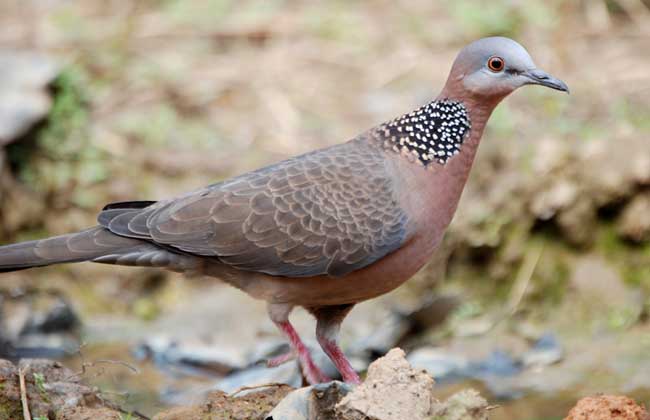
The spotted dove is a common dove distributed in South Asia, Southeast Asia and vast areas of southern China. It is a small bird of the genus Streptopelia in the family Columbidae, also known by other names such as Gupdiao, Guniao, Zhongban, Huabandove, Huabodove, Zhenzhudove, Banjingdove, Zhenzhuge, Banjia, etc. Let us take a look below at whether the spotted dove is a protected animal!
Is the spotted dove a protected animal?
The spotted dove is a protected animal. The spotted dove is a protected animal and has been included in the "List of Terrestrial Wild Animals Protected by the State that Are Beneficial or of Important Economic or Scientific Research Value" issued by the State Forestry Administration on August 1, 2000.
Living habits of the spotted dove
1. Diet: The spotted dove mainly feeds on plant seeds, especially crop seeds such as rice, corn, wheat, peas, soybeans, kidney beans, rapeseed, sesame, sorghum, mung beans, etc., and sometimes also eats animal-based foods such as maggots, snails, and insects.
2. Foraging: The spotted dove usually leaves its roosting tree after dawn to forage on the ground. Before leaving the roost, it often calls for a while. Foraging activity is mostly more active from 7 to 9 in the morning and from 3 to 5 in the afternoon.
3. Solitary: Like other doves of the same genus, the spotted dove generally does not live in groups, but appears alone or in pairs. The spotted dove is a docile bird, but sudden noises will startle it into flight. Its flight posture is similar to that of the crested dove, and its tail tilts upward when landing.
Breeding habits of the spotted dove
1. Courtship: During display, the courting male tilts its body extremely and spreads its wings and tail while flying in circles to attract the female. It is usually monogamous and breeds two to three times a year, with the breeding period from April to October.
2. Laying eggs: The spotted dove usually lays two white eggs at a time, about one or two days apart. The incubation period is 15 to 18 days, after which the young doves break out of the eggs. Incubating the eggs and raising the young doves are handled and fed alternately by the male and female birds. After about another two weeks, the young doves must leave the nest.
3. Nest building: Usually the male bird looks for a suitable place, then brings the female bird to choose, selecting a place both consider acceptable. The nest is built together, but it may also “take over another bird's nest”, occupying the nest of other spotted doves or other birds from before. It nests on small tree forks or among low trees and shrubs, and has also been seen nesting in rock crevices on mountain sides. The nest is flat and disc-shaped, very simple, mainly made of some thin twigs stacked together, and its structure is very loose.
4. Incubation: The spotted dove lays 2 eggs per clutch. The eggs are white, oval, smooth and spotless, with a size of 26 to 29 mm × 20 to 22 mm. The male and female take turns incubating the eggs, and the incubation period is 18 days. The spotted dove can breed at least 3 times each year.