What to Do If Bitten by a Cobra? A Detailed Guide to On-Site First Aid
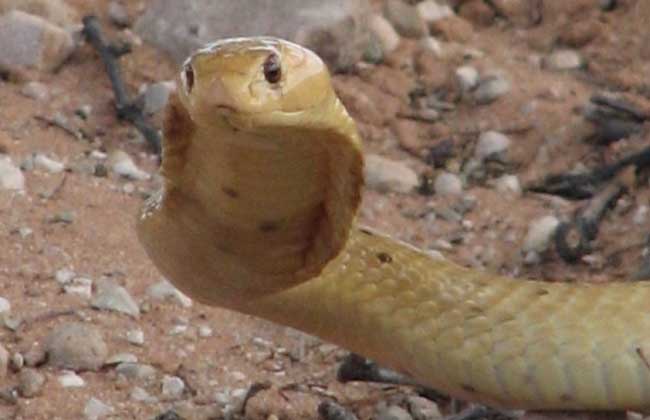
Cobra is the general name for animals of the genus Naja. They often like to live in shrubland or bamboo groves in plains, hills and mountainous areas, and are also commonly seen on hillside grave mounds, by the water at the foot of mountains, beside streams and fish ponds, in fields and near homes. They are highly venomous and will attack if provoked, making them one of the main venomous snakes in our country. Let's take a look below at what to do if bitten by a cobra!
Diagnosis of a Cobra Bite
After being bitten, aside from the relatively wide fang marks and little bleeding, the pain is obvious, but the center of the wound has a numb feeling. The center of the wound quickly turns purple, while the surrounding area becomes red and swollen. In severe cases the pupils constrict, and tissue necrosis and ulcers are very likely to occur.
Toxicological Effects of Cobra Venom
1. Toxicity to the nervous system: Cobra venom is a mixed venom that is mainly neurotoxic to humans or animals. Its effects on the nervous system are extensive and complex, and it often shows a biphasic effect, that is, depending on the dose, individual differences among animals, or differences in nervous system sensitivity, it may manifest as excitation or inhibition.
2. Toxicity to the circulatory system: Although respiratory paralysis is the primary cause of death from bites by venomous snakes of the family Elapidae, in mildly poisoned patients or before respiration has been suppressed, most patients already show electrocardiogram changes of myocardial damage and myocarditis. Moreover, patients with more severe cobra bite poisoning may already develop severe shock even before respiration is suppressed. Therefore, toxicity to the circulatory system is also an important factor in death from poisoning and must not be ignored.
3. The role of enzymes in snake venom: Snake venom itself contains many enzymes, which can cause serious toxic effects on the body.
Symptoms of a Cobra Bite
1. Early symptoms: After a cobra bite, there is immediate pain that gradually worsens, and after about 10 minutes a numb feeling appears in the center of the wound. The wound bleeds little, quickly closes and turns black, and the surrounding skin rapidly becomes red and swollen. Blisters, blood blisters and ecchymosis are often present locally, accompanied by lymphadenitis, and tissue necrosis and ulcers are prone to occur.
2. Later symptoms: 2 to 6 hours after a cobra bite, drowsiness, dizziness, blurred vision, chest tightness, palpitations, vomiting, abdominal pain, chills, fever, muscle weakness, difficulty swallowing, stiff neck, hoarseness and staggering gait may appear. In severe cases there is locked jaw, difficulty breathing and constricted pupils, and finally shock occurs. Convulsions are often present before death.
What Should You Do If Bitten by a Cobra?
The general treatment for a cobra bite is the use of antivenom serum, and artificial assisted ventilation (such as tracheal intubation) may be needed until the venom degrades and the patient can breathe spontaneously. If treatment is ineffective, the patient often dies 6 to 12 hours after the bite, with the cause of death mostly being asphyxia due to respiratory paralysis (such as diaphragmatic paralysis).