What to Do If Bitten by a Rattlesnake? Correct First Aid Treatment Methods
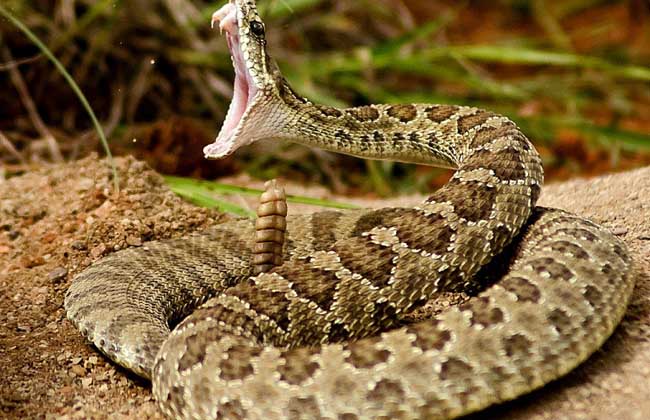
The typical feature of a rattlesnake is the rattle at the end of its tail. A newly hatched young rattlesnake has only one rattle segment on its tail, and the rattle segments gradually increase with each molt. Young rattlesnakes that do not yet have a rattle cannot produce a warning sound, so they will launch an attack without warning whenever they encounter an intruder. Now let us take a look at what to do if bitten by a rattlesnake!
How Potent Is Rattlesnake Venom?
The rattlesnake is extremely venomous. After a human is bitten, there is immediately a severe stinging and burning sensation, like the bite of a large insect, followed by fainting, but these are only the initial symptoms. The fainting period can last from as short as a few minutes to as long as several hours. After regaining consciousness, the person feels that their body has become heavier, the bitten area swells and turns purplish-black, body temperature rises, hallucinations begin, and all objects in the field of vision appear to be one color (mostly brownish-red or dark purple).
Will Rattlesnakes Attack People?
Rattlesnakes will attack people. Different species of rattlesnakes differ greatly in size, territory, markings and temperament. If not cornered or immediately threatened, they will generally (though not always necessarily) try to escape, and they usually bite when startled or angered. A rattlesnake's strike distance is about two-thirds of its body length and is very difficult to capture with the naked eye, and it does not need to pull its body back when striking. Sometimes they sunbathe in the middle of a road. When you encounter one, you must keep a certain distance and let it escape, and pets should also be tied up to avoid unnecessary startling.
What Should You Do If Bitten by a Rattlesnake?
After being bitten by a rattlesnake, gaining time is the most important thing. First, find a cloth strip or a long shoelace and tie it on the side of the wound toward the heart, but be sure to loosen it for 2 to 3 minutes every 15 minutes, and repeatedly rinse the snake venom on the surface of the wound with cold water. Then, with the fang marks as the center, use a sterilized small knife to cut the skin at the wound into a cross shape, then squeeze hard with both hands, use a cupping jar, or cover the wound with 4 to 5 layers of gauze and suck forcefully through the gauze with your mouth (there must be no wound in the mouth; sucking out venom with the mouth is not a good method, and the person doing the sucking may also be poisoned as a result), trying to draw out as much of the venom from the wound as possible. Immediately take anti-snake-venom tablets and apply anti-snake-venom powder around the wound, but absolutely do not apply alcohol to the wound. Try to slow down the victim's movements and quickly send them to a nearby hospital for treatment.
Note: Any case of being bitten by a rattlesnake must be treated as a life-threatening emergency and the victim must be sent immediately to a hospital for treatment by a professional doctor.