In a showdown between a rattlesnake and a cobra, which one is actually more formidable?
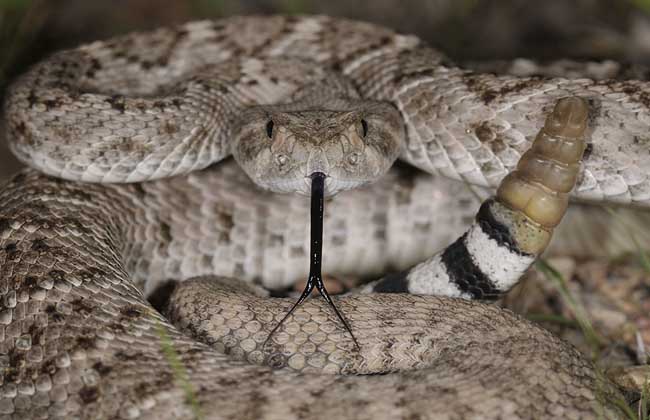
The rattlesnake gets its name from the string of horny rings at the end of its tail, which vibrate to produce a loud sound for a long time, keeping enemies from approaching or frightening them away. Cobra is the general name for animals of the genus Naja, also known as fan-shi-qian, bat snake, swollen-neck snake, fan-head-wind, flat-head-wind, and so on. Both rattlesnakes and cobras are highly venomous snakes. Let's take a look below at which is more formidable, the rattlesnake or the cobra!
Body size of the rattlesnake and the cobra
A rattlesnake generally measures about 1.5-2 m in length, with a body that is yellow-green and diamond-shaped dark brown patches on its back. The cobra has a relatively short upper jawbone, with grooved fangs at the front, and often 1 to several small teeth behind the grooved fangs; it is a front-grooved-fang venomous snake. Most cobras are very large in build, reaching 1.2-2.5 m in length. In terms of body size, the cobra has a slight advantage.
Speed of the rattlesnake and the cobra
The rattlesnake's strike distance is about two-thirds of its body length and is very hard for the naked eye to catch, and it does not need to pull its body back when striking. The cobra's strike speed is 10-15 times that of the five-paced snake (Deinagkistrodon acutus), and it can launch consecutive attacks in a short time.
Venom toxicity of the rattlesnake and the cobra
1. Rattlesnake: Rattlesnake venom is a hemotoxin, with the function of destroying blood tissue. It heavily attacks the platelets in the blood, causing the blood to be unable to clot and producing severe internal bleeding. However, in some cases it instead causes platelets to increase greatly, making the blood in the major blood vessels coagulate into a jelly-like state, which obstructs blood flow and ultimately leads to blood vessel rupture due to blood blockage. A few, such as the small-scaled rattlesnake (Crotalus mitchellii?), also have venom that includes a component capable of attacking the nervous system. What makes rattlesnake venom different from the venom of other venomous snakes is that after entering the human body it produces an enzyme that causes the person's muscles to rot rapidly, destroys nerve fibers, and after reaching the cranial nerves causes brain death.
2. Cobra: Cobra venom is a mixed venom that is mainly neurotoxic to humans or animals. Its effect on the nervous system is extensive and complex, and it often shows bidirectional effects. Although respiratory paralysis is the first cause of death from bites by venomous snakes of the family Elapidae, snake venom itself contains many enzymes that can cause severe toxic harm to the body. The general treatment for a cobra bite is to use antivenom serum, and artificial assisted ventilation may be needed until the venom degrades and the patient can breathe on their own. If treatment is ineffective, the patient often dies 6-12 hours after the bite.
Summary: Under the same conditions, the cobra is indeed more formidable than the rattlesnake, and there have also been reports of cobras attacking and swallowing rattlesnakes alive.