How Potent Is Rattlesnake Venom? Analyzing the Danger Level of Its Venom
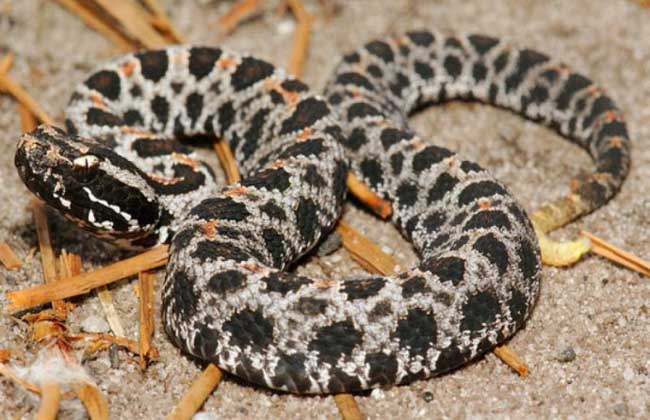
Rattlesnakes generally measure about 1.5 to 2 m in body length, with a yellow-green body, diamond-shaped dark brown patches on the back, and a string of keratinous rings at the tip of the tail, which are the remnants left after multiple molts. When encountering an enemy or moving suddenly, they rapidly shake the tail rings, producing a loud sound for a long time, which keeps enemies from approaching or scares them away. Let us take a look below at just how potent rattlesnake venom is!
How potent is rattlesnake venom?
Rattlesnake venom is extraordinarily toxic. After being bitten, a person immediately feels severe stinging and burning, like the bite of a large insect, followed by fainting, but these are only the initial symptoms. The period of unconsciousness lasts from as short as a few minutes to as long as several hours. After regaining consciousness, the person feels that the body has become heavy, the bitten area swells and turns purplish black, body temperature rises, and hallucinations begin, with all objects in sight appearing to be one color (mostly brownish red or dark purple). Any rattlesnake bite must be treated as a life-threatening emergency and the person must be sent to a hospital immediately for treatment by a professional doctor.
What type of venom is rattlesnake venom?
Rattlesnake venom is a hemotoxin, with the function of destroying blood tissue. It heavily attacks platelets in the blood, causing the blood to be unable to clot and producing severe internal bleeding. However, in some cases it instead causes platelets to increase greatly, making the blood in the major blood vessels coagulate into a jelly-like state, which obstructs blood flow and ultimately leads to blood vessel rupture due to blood blockage. A few species, such as the small-scaled rattlesnake, have venom that also includes the ability to attack the nervous system. What makes rattlesnake venom different from the venom of other venomous snakes is that after entering the human body it produces an enzyme that causes the muscles to rot rapidly and destroys nerve fibers; after reaching the cranial nerves it causes brain death.
Do rattlesnakes attack people?
Rattlesnakes do attack people. Different species of rattlesnakes differ greatly in body size, territory, markings and temperament. Unless they are cornered or immediately threatened, they will generally (though not always necessarily) try to flee, and they usually bite when startled or angry. The striking distance of a rattlesnake is about two-thirds of its body length, and it is very difficult for the naked eye to catch; when striking, it also does not need to pull its body back. Sometimes they sun themselves in the middle of a path; when you encounter one, you must keep a certain distance and let it escape, and pets should also be leashed to avoid unnecessary startling.