What do rattlesnakes eat? A detailed look at their diet and hunting habits
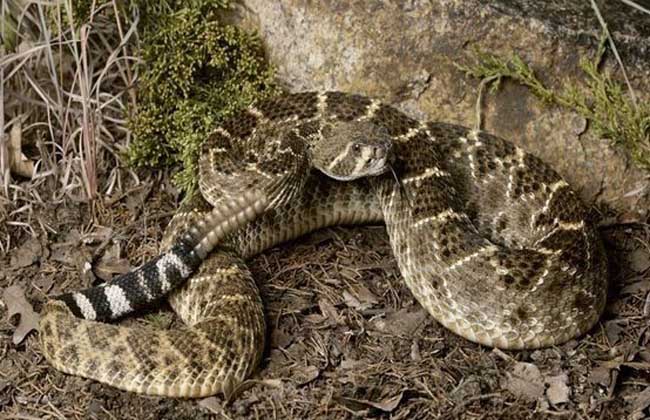
The rattlesnake is a venomous snake with tubular fangs belonging to the viper family (formerly the pit viper family) in the class Reptilia. It generally measures about 1.5 to 2 m in body length, and the tip of its tail bears a series of horny rings. When it encounters an enemy or is moving rapidly, it quickly shakes the tail rings, producing a loud sound for a long time, which keeps enemies from approaching or scares them away, hence the name "rattlesnake." Now let us take a look at what rattlesnakes eat!
What do rattlesnakes eat?
The rattlesnake is a carnivore, feeding on rodents and other small animals (such as rabbits and mice). Young snakes mainly eat lizards. They use venom to quickly subdue prey rather than constriction; the venom can immediately paralyze or kill the prey, and they will track prey that has not been subdued by the venom and tries to escape. Their strike distance can reach two-thirds of their body length.
Do rattlesnakes attack people?
Different species of rattlesnakes vary greatly in body size, territory, markings and temperament. Unless cornered or immediately threatened, they will generally (though not always) try to flee, and they usually bite when startled or angry. A rattlesnake's strike distance is about two-thirds of its body length, and it is very hard for the naked eye to catch; it also does not need to pull its body back when striking. They sometimes sun themselves in the middle of a road; when you encounter one, you must keep a certain distance and let it escape, and pets should also be kept leashed to avoid unnecessary startling.
How strong is rattlesnake venom?
Rattlesnake venom is extremely toxic. After a human is bitten, there is immediately a severe stinging and burning sensation, like the bite of a large insect, followed by fainting, but these are only the initial symptoms. The period of fainting can be as short as a few minutes or as long as several hours. After regaining consciousness, the person feels that the body is heavier, the bitten area swells and turns purplish-black, body temperature rises, hallucinations begin, and all objects in sight appear in a single color (mostly brownish-red or dark purple). What makes rattlesnake venom different from the venom of other venomous snakes is that after entering the human body it produces an enzyme that causes the muscles to rot rapidly, destroys nerve fibers, and after reaching the cranial nerves causes brain death. Any rattlesnake bite must be treated as a life-threatening emergency and the person must be sent to a hospital immediately for treatment by a professional doctor.