How to reduce swelling after a wasp sting? Teaching you the correct way to handle it
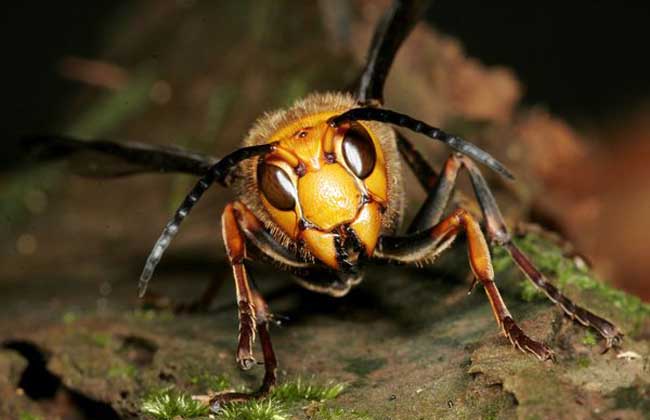
The wasp is also known as the hornet, red paper-wrapped waist, ghost head dizziness, etc. It has a large body and long length, and its toxicity is also high. The female wasp has a powerful long stinger on its body. When it encounters an attack or unfriendly disturbance, it will attack in groups, which can cause allergic reactions and toxic reactions in people, and in severe cases can lead to death. Now let us take a look at how to reduce swelling after a wasp sting!
Poisoning symptoms after a wasp sting
1. Toxicity: The main components of wasp venom are histamine, serotonin, bradykinin, hyaluronidase, etc. The venom is alkaline and is easily neutralized by acidic solutions. The venom has hemolytic, hemorrhagic and neurotoxic effects, can damage the myocardium, renal tubules and glomeruli, especially easily damages the proximal convoluted tubules, and can also cause allergic reactions.
2. Symptoms: After a wasp sting, the stung skin immediately becomes red, swollen and painful, and may even develop petechiae and skin necrosis. When the eye is stung, there is severe pain, tearing, redness and swelling, and corneal ulceration may occur. Systemic symptoms include dizziness, headache, vomiting, abdominal pain, diarrhea, restlessness, and elevated blood pressure. The above symptoms generally disappear within several hours to several days. In severe cases, there may be drowsiness, generalized edema, oliguria, coma, hemolysis, myocarditis, hepatitis, acute renal failure and shock. Some people allergic to bee venom may present with urticaria, anaphylactic shock, etc.
How to reduce swelling after a wasp sting?
1. Stay calm. If the stinger has entered the skin, first remove the stinger.
2. Choose soapy water, 3% ammonia water, 5-10% sodium bicarbonate (baking soda) water, salt water, or sugar water to wash and apply to the wound. Note that soapy water must be used, because what we need is an alkaline liquid.
3. Apply Yulu powder or mashed chrysanthemum leaves as a compress.
4. Mash garlic or ginger and extract the juice, then apply it to the affected area.
5. Choose fresh dandelion, Viola philippica, Paris polyphylla, Lobelia chinensis, etc., wash them clean and mash them, then apply externally around the wound. The effect is good.
6. At about 2 cm around the sting wound, apply a ring of dissolved Nantong snake medicine tablets, which has the effects of detoxifying, relieving pain and reducing swelling.
7. Apply old cucumber juice to the affected area several times a day. It both relieves pain and reduces swelling.
8. Take 30 grams of chives, wash them clean and mash them into a paste, then apply to the affected area.
How to avoid being stung by wasps
1. The courtyard should be regularly pruned of trees and the soil should be turned loose to reduce opportunities for hornets to build nests. Avoid planting succulent plants in front of and behind the house to reduce opportunities for hornets to enter the yard.
2. Do not place uncovered sugary foods and drinks in open areas, so as to avoid hornets gathering.
3. The chemically synthesized substances and scents contained in cosmetics often imitate natural floral fragrances and easily attract bees. Do not drink alcohol or use cosmetics before going out.
4. Hornets are colorblind. When a few scattered bees are flying around and bothering you, there is no need to pay attention to them. When a bee lands on your head or shoulder, just gently shake it off. Do not swat at it.
5. If attacked by a swarm of bees, use clothing as quickly as possible to wrap the exposed parts. You may crouch down and stay still. Do not run quickly, and even more so do not repeatedly swat at them.
6. When working in the field, observe the surrounding environment and avoid disturbing bee nests. When working in areas with dense hornet distribution, wear dark long clothing and trousers for protection. If you encounter a solitary hornet circling around, it means you have approached its warning range. Never wave it away or disturb it, and do not observe the hornet from very close. Leave as soon as possible, so that it does not send signals to attract a swarm attack.
Methods to eliminate wasps
1. Chemical fumigation: Spring is an important period when hornets begin to build nests and become active. Attention should be paid to seizing this favorable opportunity when there are only a small number of overwintering bees (each 1 bee builds 1 nest) and the “gourd bag” is still relatively small. Conduct general surveys in areas such as around towns, at both ends of roads, recreational forest areas, and mountain climbing paths to promptly discover nest-building activity. During the small-nest stage, either remove and destroy the small nests, or hang cloth strips or towels dipped in pesticide on the small nests for fumigation.
2. Remove nests at the proper time: First use insecticide to spray the nest entrance and the bees outside the nest, then quickly cover the nest with a woven bag and tie the bag opening tightly, then remove the nest. Put the nest together with the bag into water or pour gasoline on it and burn it. Nest removal should be done at night or on rainy days.
3. Water gun and fire attack: For nests built in high places that are difficult for people to reach, aim a high-pressure water gun at the nest and spray it to break the nest apart. You can also tie waste cotton soaked in fuel oil to one end of a long bamboo pole, light it, and extend it to the side of the nest to burn and destroy the nest. Beforehand, evacuate the surrounding people and pay attention to fire prevention.
4. Burn the bee colony: In late autumn, when the temperature drops to 15 degrees, hornets begin to leave the nest and move to relatively warm places such as stone caves and grass piles to escape the cold, often gathering in groups of hundreds huddled together to resist the cold. If a bee colony is found, it can be burned with fire.
5. Lure and kill: Hornets have the characteristic of building nests and collecting water. At places where bees collect water, water pits can be dug manually or water containers can be placed, with pesticide added. When hornets suck water, they will be poisoned to death. At the same time, pay attention to the safety of drinking water for people and livestock.
6. Kill by corpses: Hornets not only like to eat bees, but also bite and eat the corpses of their own kind. Taking advantage of this habit, when they pounce on corpses to feed, use a wooden paddle to kill them. When swatting, you must aim accurately, otherwise if a large hornet is not hit on the first swat, it will counterattack and sting.
7. Carry poison to kill: Large hornets are clumsy and can be gently pressed down with a small gauze net paddle, then clamped with tweezers, and a highly toxic pesticide sugar solution can be applied to the chest and abdomen of the hornet, then release them. After these hornets return to the nest, other hornets will come to lick the toxic sugar solution on their bodies, causing the entire nest to be poisoned. Using the “Hui Chao Ling” developed by Fujian Agricultural University, control is carried out through the “automatic pesticide application method”, with remarkable results. After catching hornets, put them into a 100-150 ml bottle. “Hui Chao Ling” powder is pre-placed in the bottle. By means of the airflow from the hornet struggling and flapping its wings, the powder is automatically and evenly spread over all parts of the bee's body. Open the bottle cap and release the bees back to the nest, and the whole nest can soon be contaminated, achieving the purpose of destroying the nest.