What Do Butterflies Eat? A Full Breakdown of Their Common Food Sources
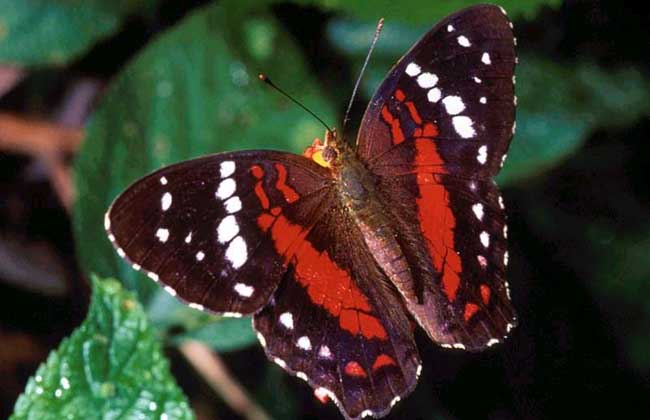
Butterflies are the collective term for animals in the order Lepidoptera, suborder Rhopalocera, class Insecta. There are about 14,000 species worldwide, most of them distributed in the Americas, with the greatest variety in the Amazon River basin. China has 1,200 species. They are brightly colored, with many stripes on their bodies, rich coloration, and various markings on their wings and bodies. Let's take a look below at what butterflies eat!
What do the larvae eat?
The feeding targets of butterfly larvae vary by species. Most larvae feed on leaves. Some species, such as the pollen butterfly and the orange-banded brimstone, feed on flower buds. Some species bore into and eat tender pods or young fruit, for example the pea blue bores into and eats tender pea pods, and the gardenia blue bores into and eats young gardenia fruit. In addition, a few species in the family Lycaenidae have carnivorous larvae, for example the coffee scale blue feeds on coffee scale insects, and the bamboo aphid blue feeds exclusively on bamboo aphids. This kind of carnivorous species is a rather uncommon beneficial insect among butterflies.
What do butterflies eat?
Most butterflies feed on nectar. As for butterflies that feed on nectar, they do not only feed on nectar, but also favor the nectar of certain specific plants. For example, the blue swallowtail favors the nectar of plants in the Liliaceae family, the cabbage white favors the nectar of plants in the Brassicaceae family, and the leopard fritillary favors the nectar of plants in the Asteraceae family, and so on. Some butterflies that do not feed on nectar include the bamboo eye butterfly, which feeds on fig sap, and the pale purple fritillary, which feeds on the sour sap of diseased oaks and poplars. Some butterflies also feed on the flesh of grapes, and butterflies are commonly seen feeding in vineyards.
The growth process of a butterfly
1. Egg: Butterfly eggs are generally round or oval, with a waxy shell on the surface to prevent water loss, and a small pore at one end, which is the passage through which sperm enters. The size of butterfly eggs varies greatly among different species. Butterflies generally lay their eggs on the leaf surface of plants that the larvae like to eat, preparing food for the larvae.
2. Larva: After the larva hatches, its main activity is eating. It must eat a large amount of plant leaves. Larvae come in various shapes, mostly fleshy worms, with a few being hairy caterpillars. Butterflies harm agriculture mainly at the larval stage. As the larva grows, it generally goes through several molts.
3. Pupa: After the larva matures, it becomes a pupa. The larva generally uses a few threads to fix itself in place in a hidden spot on the underside of a plant leaf, and then pupates directly, without a cocoon.
4. Adult: After the pupa matures, the butterfly breaks out of the shell of the pupa, but it needs a certain amount of time for its wings to dry and harden. At this time the butterfly cannot evade natural enemies, and this is a dangerous period. After the wings spread out, the butterfly can fly. The forewings and hindwings of a butterfly do not flap in sync, so a butterfly's flight is very undulating and graceful. The so-called “dancing gracefully” comes from the flight of butterflies. Generally, adult butterflies die before winter arrives after mating and laying eggs, but some species migrate south to spend the winter.