How to grow a Boston fern? Detailed guide to growing methods
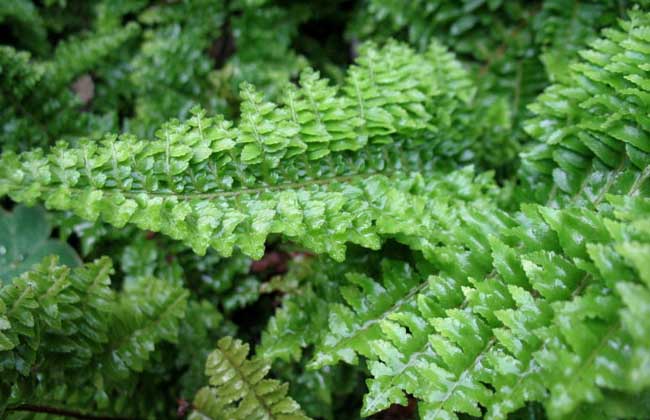
The Boston fern is a type of drooping fern foliage plant, a perennial evergreen herb of the genus Nephrolepis in the family Nephrolepidaceae, native to tropical and subtropical regions, and distributed in Taiwan, China. It has very high ornamental value and is suitable for hanging indoor pot cultivation for display, pot cultivation, and vertical greening, and its cut stolons can also be used as decorative arrangement material. Let us take a look below at the growing methods for the Boston fern!
Growth habits of the Boston fern
The Boston fern likes warm, humid, and semi-shaded environments, and also likes ventilation, while disliking extreme heat. It is generally placed indoors in bright indirect light for cultivation, and must not be exposed to direct strong light, but it also must not be grown in dark places. The suitable growth temperature is 15-25°C, and in winter it can safely overwinter above 10°C. It is drought-tolerant, but still needs sufficient water, and should not be too wet or too dry; the potting soil should be kept constantly moist. In summer, water 1-2 times a day and frequently spray water on the leaves. It does not need much fertilizer; during the growing period, apply a dilute decomposed cake fertilizer once every 4 weeks, and it is not advisable to use quick-acting chemical fertilizers. When fertilizing, never let it contaminate the leaves, so as to avoid damage.
Propagation methods for the Boston fern
The Boston fern does not produce spore-bearing fronds, so it can only be propagated by division or runners. Division propagation can be done in spring, summer, or autumn. Cut off the small rooted plantlets growing on the stolons from vigorous plants and plant them separately. Water the divided plants thoroughly, place them in a shaded spot for about a week, and then they can be returned to normal care.
Growing methods for the Boston fern
1. Substrate: The growing substrate for the Boston fern is imported peat of the Klasmann 10-30 mm grade with good looseness, drainage, and aeration. Break up the peat and mix it evenly with water. After mixing with water, squeeze a handful of peat tightly and water should seep out from between the fingers, then it is ready for potting. A 12 cm pot uses about 350 ml of peat per pot, and one 300-liter bag of imported peat can fill about 800 cups.
2. Potting: For potting the Boston fern, choose high-quality seedlings from professional production, with a seedling height of 7-8 cm and a crown width of 4-5 cm, free of pests and diseases, and free of dead or yellow leaves. First plant in 12 cm specification pots, 1 clump per pot, and grow for 3-4 months. Then transfer to 18 cm pots, and after 6-7 months of growing they can be shipped.
3. Temperature: The suitable temperature for the Boston fern is 18-35°C. Growth is poor above 35°C or below 15°C. In winter it must not go below 5°C. Winter care requires heating equipment. If there is no heating facility, double-layer insulation facilities can be used. In winter, when the temperature drops to 22-24°C in the afternoon, the greenhouse should be sealed promptly. Summer care requires cooling equipment (exhaust fan and water curtain).
4. Light: The Boston fern likes bright indirect light. In spring and summer, it is best placed indoors in a spot with bright indirect light. When the sunlight is strong, it must not be placed in direct sunlight; direct sunlight turns the leaves yellow. In winter, light should be appropriately increased, otherwise the leaf color easily turns yellow or the leaf edges dry up.
5. Water: The Boston fern likes a humid environment and requires relatively high soil moisture and air humidity. Because the roots of the Boston fern are adventitious roots, their ability to absorb and retain water is poor, so water must be supplied in time; otherwise, prolonged dryness easily causes the leaves to turn yellow and fall off. In spring and summer, the potting soil must always remain moist, but it must not become waterlogged or too wet; it is best to keep the potting soil in a constantly moist state. In summer, in addition to timely watering, also frequently spray water on the leaves. In winter, when the room temperature is low, reduce watering and just keep the soil slightly moist.
6. Fertilizing: The fertilizer concentration for the Boston fern should not be too high, otherwise it easily damages the roots. The best fertilizing method is to first add decomposed barnyard manure when potting (repot once every 1 year in spring), and then during the peak growing season apply additional fertilizer with dilute fertilizer. When fertilizing, avoid letting the fertilizer liquid contaminate the leaves. If it accidentally contaminates them, immediately spray clean water to rinse them clean.