How to Grow Tradescantia? A Complete Guide to Cultivation Methods and Precautions
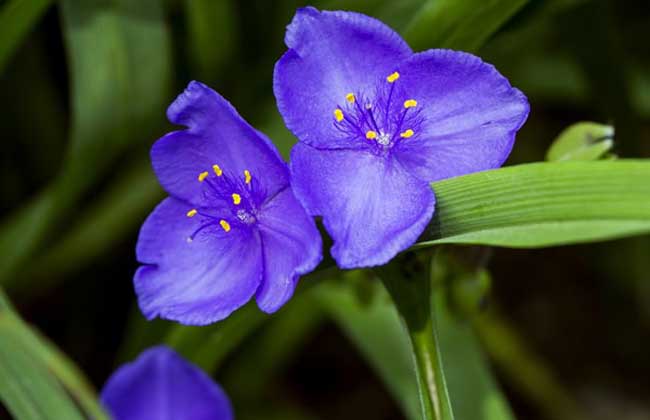
Tradescantia, also known as purple spiderwort and purpleleaf spiderwort, is a perennial herbaceous plant of the genus Tradescantia in the family Commelinaceae. It is native to the tropical regions of the Americas and has been introduced and cultivated in China. Its plant form, flower buds and inflorescences are suitable for ornamental purposes. It works well for flower beds and mass planting along both sides of roads, and can also be grown in pots for indoor display or as a hanging plant. Let us take a look at the cultivation methods for Tradescantia!
Growth Habits of Tradescantia
Tradescantia prefers a warm, humid, semi-shaded environment and is cold-tolerant. The most suitable temperature is between 15 and 25°C. It has low soil requirements and can grow normally in sandy soil or loam. It dislikes waterlogged soil and grows well in neutral or slightly alkaline soil. After acclimatization, it can overwinter outdoors. When covered with plastic film for insulation over winter, its flowering time can be advanced to mid-to-late April. Root suckers and axillary buds can repeatedly produce new shoots during the growing season, and flower buds can form at the tip of each shoot.
Propagation Methods for Tradescantia
1. Division: Division propagation of Tradescantia is generally carried out before sprouting in early spring, because the temperature in early spring is not high, the plant's transpiration is low, and the cut surfaces are not prone to rot. Therefore, when propagating, choose vigorously growing plants with good form as mother plants, dig them out, remove the soil from the roots, and cut apart the clustered root suckers with a small knife, ensuring each piece has 2 to 3 buds.
2. Cuttings: There is no specific time requirement for taking Tradescantia cuttings. Cuttings in a hotbed can be done at any time throughout the year, while cuttings in a cold frame can be done except during the winter dormant period, with the rainy season being the most suitable time. After cutting, pay attention to water control, ensuring sufficient watering and soil moisture in the cutting bed. After 4 days, watering can be appropriately reduced, keeping the soil surface from drying out, to promote rooting. After half a month, most plants have rooted.
Cultivation Methods for Tradescantia
1. Temperature: The optimal growth temperature for Tradescantia is 18 to 30°C. It dislikes cold and frost, and the overwintering temperature needs to be kept above 10°C. When the winter temperature drops below 4°C, it enters a dormant state. If the ambient temperature approaches 0°C, it will die from frost damage.
2. Light: Tradescantia fears direct strong light and needs to be kept in a semi-shaded spot or given 70% shade. When kept indoors, place it in as bright a spot as possible, and every one or two months move it outdoors to a semi-shaded spot or a shaded area for a month of care, so that it can accumulate nutrients and recover its vigor.
3. Fertilizer and Water: Tradescantia has high fertilizer and water requirements, but it is most vulnerable to improper fertilization, concentrated fertilizer, and one-sided application of nitrogen, phosphorus or potassium fertilizer. Follow the fertilization (and watering) principle of "light fertilizer applied frequently, small amounts with more applications, complete nutrition." Applying a compound fertilizer once every two weeks is sufficient.
4. Pruning: During cultivation, to keep the plant's form attractive and extend the autumn flowering period, old stems should be renewed to promote the growth of new tiller buds. At the same time, promptly remove spent flowers and dead branches and leaves to promote the development of new flowers and leaves.