How to Grow Sempervivum arachnoideum? A Detailed Guide to Succulent Cultivation
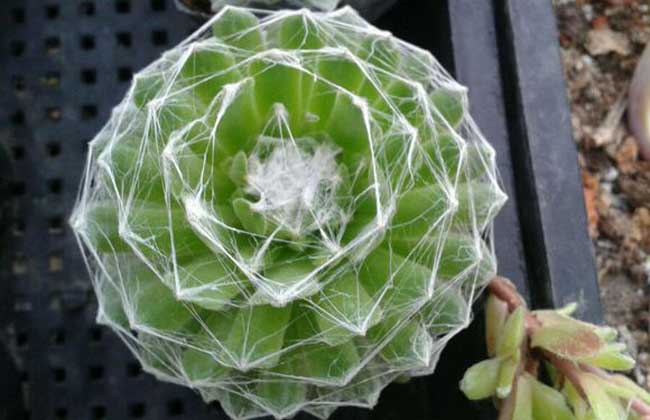
Sempervivum arachnoideum is a succulent plant in the Crassulaceae family, genus Sempervivum, characterized by the natural fine hairs that cling to the leaf tips. Individual plants of this species vary considerably, with each one differing in diameter and in how dense or sparse the hairs are. It readily hybridizes naturally with other Sempervivum species and has high ornamental value. Let's take a look below at how to grow Sempervivum arachnoideum!
Growth Habits of Sempervivum arachnoideum
Sempervivum arachnoideum is distributed in southwestern Europe and can now be cultivated in many parts of the world. It grows quickly and readily forms clusters. It prefers cool, sunny environments and dislikes damp heat. It is cold-hardy and goes dormant during high summer temperatures, with spring and autumn being its growing seasons. In conditions of well-draining soil, ample sunlight and large temperature differences (or low temperatures), the undersides of the leaves turn red or purple. It dies after flowering, so the flowering period can be used for pollination or division.
Propagation Methods for Sempervivum arachnoideum
Propagation methods for Sempervivum arachnoideum include seed sowing, division and beheading cuttings. The simplest division method is generally used: remove the small offsets, plant them in slightly moist soil, and wait for them to root in a cool, ventilated spot. The soil used for cuttings can be the same as for mature plants, but this species cannot be propagated by leaf cuttings.
How to Grow Sempervivum arachnoideum
1. Soil: For Sempervivum arachnoideum, choose a soil mix of peat blended with perlite and cinder, roughly in a 1:1:1 ratio. To keep the plant from touching the soil surface directly and to improve aeration, you can top it with clean granular river sand, 3 to 5 mm in size.
2. Watering: In general, water Sempervivum arachnoideum thoroughly only after the potting soil has dried out completely; if it is not dry, do not water. When watering normally, try to pour the water into the soil and avoid splashing the plant directly, as the “cobwebs” may fall off when they get wet. Do not water into the center of the rosette, as it easily rots.
3. Summer: Summer is the dormant period for Sempervivum arachnoideum, so shade it moderately and improve ventilation. Stop watering when temperatures exceed 35°C, otherwise it will very easily rot. Water 3 to 4 times a month, giving a small amount each time around the edge of the pot, just enough to keep the plant from drying out from excessive drought.
4. Winter: For winter care of Sempervivum arachnoideum, gradually stop watering once the temperature drops below 3°C. Keeping the potting soil dry at around 0°C is basically enough for it to overwinter safely. Try to keep it no lower than minus 5°C.
5. Pests: The most common pest of Sempervivum arachnoideum is root mealybug. You can prevent it by burying carbofuran or soil insecticide granules in the soil, and spray abamectin once each at the start of summer and the start of winter. You can also treat it by drenching the roots with Huahuashen. Growing it outdoors in the open can also help prevent common scale insects to some extent.
6. Diseases: The main disease of Sempervivum arachnoideum is black rot. If the roots or lower leaves turn black, you can dig the plant out early, remove the rotted roots and leaves, and if necessary cut off the rotted stem, then place it on dry soil to re-root. However, if the center of the rosette rots, there is basically little chance of survival. Once black rot occurs, dig out or isolate the affected plant as soon as possible to prevent the bacteria from spreading.