How do you grow Kalanchoe blossfeldiana to make it thrive?
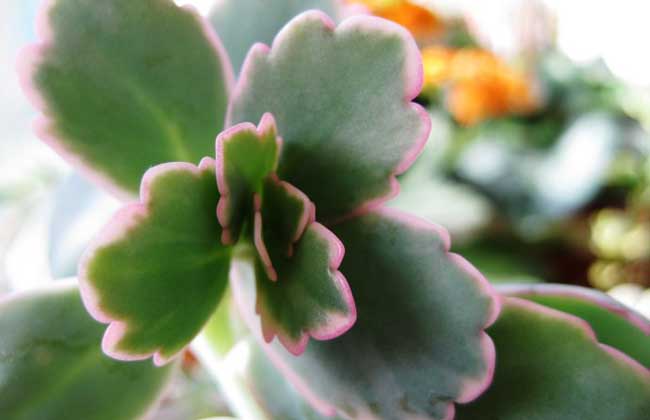
Kalanchoe blossfeldiana, also known as Yangdiaozhong and Dancing Butterflies, is a succulent plant of the genus Kalanchoe in the Crassulaceae family. Its leaves are brilliantly colored, its form resembles a flower, its plant shape is attractive, and its roots are peculiar, giving it extremely high artistic ornamental value. Grown as a potted plant for viewing, it suits placement in family living rooms and studies, and it is also an important cut flower. Let us take a look below at how to grow Kalanchoe blossfeldiana well!
The Growth Habits of Kalanchoe blossfeldiana
Kalanchoe blossfeldiana is native to the dry, sunny tropical regions of Madagascar and can now be cultivated in many places around the world. It likes a warm and cool climate environment and cannot tolerate high temperatures and blazing sun. In winter, the temperature should not fall below 5°C. It can bloom normally for viewing only when the temperature is above 13°C, and it can bloom normally at a winter room temperature of 10-12°C. It is suitable for growing in fertile, loose, and well-drained sandy loam. It likes diffused light, and in summer it is best placed in sparse sunlight; it grows vigorously in autumn, and in winter it sends up flower spikes. In South China it can generally overwinter safely outdoors, while in the north it is only suitable for pot cultivation and should be moved into a greenhouse in winter.
Propagation Methods for Kalanchoe blossfeldiana
Kalanchoe blossfeldiana is mainly propagated by cuttings, with May to June being the best time. Choose thick, plump terminal stems, cut them 10-12 cm long, let the cut ends dry slightly, then insert them into a sand bed; they can root in about 7-10 days, and when the roots are 2-3 cm long they can be transplanted into pots. Kalanchoe blossfeldiana can also be propagated by leaf cuttings: cut off a single leaf, let the cut dry, then insert it obliquely into a sand pot; about 10 days after insertion new roots grow, and after 30 days small plantlets grow from the base of the leaf, but most seedlings from leaf cuttings lack chlorophyll and are not easy to keep alive.
How do you grow Kalanchoe blossfeldiana well?
1. Watering: The stems and leaves of Kalanchoe blossfeldiana are both succulent and fairly drought-tolerant, so it does not need frequent watering. In spring, after flowering, repot it and prune the whole plant to control its height and encourage more branching; when new shoots sprout, it can be watered a little more. In the hot, rainy summer season, water use should be controlled to avoid root rot caused by overly wet soil.
2. Fertilizing: When planting Kalanchoe blossfeldiana, sufficient base fertilizer should be applied. From the time the leaves spread out until the flower stems form, apply a balanced topdressing once a month. Nitrogen fertilizer should not be applied too much, lest the flower stems become too tender and plump and be easily broken by wind. During the growing season, fertilize once a month, applying less nitrogen fertilizer and more phosphorus and potassium fertilizer, and the leaf markings will appear even more beautiful.
3. Light: Kalanchoe blossfeldiana is a short-day plant and blooms every winter; if the light exceeds 12 hours, flowering will be delayed until early spring. In midsummer it should be slightly shaded, but if it is too shaded, the stems and leaves tend to become leggy and soft, and the leaf color becomes dull and lacks luster.
4. Diseases: Kalanchoe blossfeldiana is often harmed by stem rot and brown spot, which can be sprayed with a 600-fold dilution of 65% zineb wettable powder. Pests include scale insects and whiteflies, which can be killed by spraying with a 1000-fold dilution of 40% omethoate emulsifiable concentrate.