A little trick for growing clivia in summer: no yellow leaves, thick and plump foliage, big and brightly colored flowers
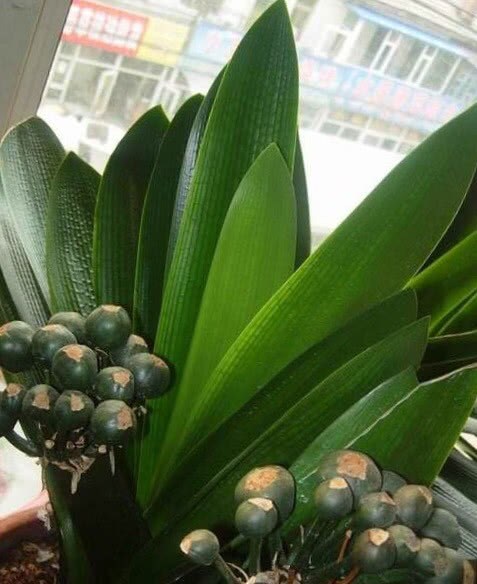
Clivia is also called the large-leaved bush lily (Clivia miniata). It originates from South Africa and is a perennial herbaceous plant in the Amaryllidaceae family. Grown well, clivia can bloom twice a year, with each bloom lasting over a month. In summer, when the weather is hot, some people's clivia starts to develop yellow leaves. How should clivia be cared for so it grows healthily and vigorously, with emerald green, thick and plump leaves?
A little trick for growing clivia in summer
Avoid strong light exposure in summer. Spring and autumn are the vigorous growing seasons for clivia, when it can get plenty of sunlight. But it fears high temperatures and prefers cooler weather. When the temperature reaches above 35°C, it is no longer suitable for clivia's growth. It needs to be placed in a fairly ventilated and shady spot.
If there are a few yellow leaves at the base, this is normal physiological metabolism, and they can be cut off directly. Fertilize clivia sparingly in summer, and wait until autumn to fertilize, mainly with nitrogen fertilizer, so the leaves can grow thick and glossy, and the leaf veins become darker.
A potted clivia kept at home must be placed in a ventilated environment, keeping good ventilation indoors. Open the windows often for ventilation and air exchange. Like other plants, clivia needs to constantly take in fresh air to grow healthily and vigorously.
In summer, clivia is especially afraid of high temperatures combined with waterlogging, so do not water too often; wait until the soil is dry, then water thoroughly. If the potting soil is too compacted, it is easy for water to fail to penetrate when watering, so use a bamboo skewer or wooden stick to loosen the soil for it.
If the leaves grow rather thin and soft, and the color and veins are not obvious, it may be lacking fertilizer, so you can water it with a small amount of sesame paste residue water.
If your clivia's leaves tend to turn yellow and dry up, use leaf mold soil, or decomposed pine needle soil, to grow clivia.
It is best to change the potting soil once a year, using leaf mold soil or nutrient soil. Then clivia grows especially vigorously and blooms especially profusely.
In autumn, when the temperature drops a little, gradually begin to increase light, fertilizer and watering, and clivia will grow especially fast.
The temperature most suitable for clivia's growth is around 20°C. If the temperature is below 5°C, clivia will go dormant, so pay attention to keeping it warm and sheltered from wind, to avoid yellow leaves and frost damage. Cared for this way, clivia's leaves are especially green, thick, plump and beautiful, and it blooms especially profusely.