What are the cultivation methods and precautions for the Christmas cactus?
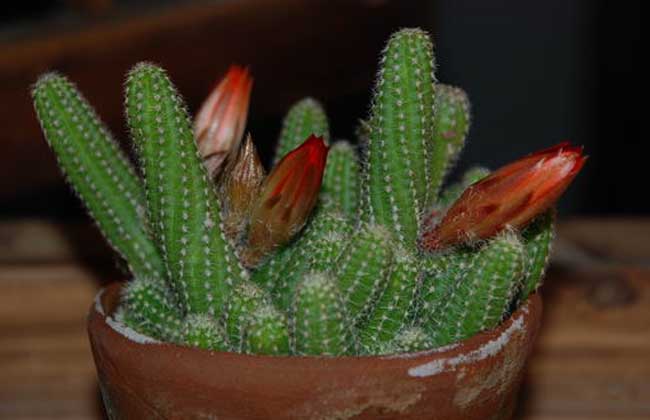
The Christmas cactus is a beloved indoor potted flower, also known as crab cactus, Thanksgiving cactus, and cactus, among other names. It is a plant of the genus Schlumbergera in the cactus family. Growing a robust potted Christmas cactus not only lets you enjoy brilliantly colored flowers, but also serves as a long-term indoor potted plant that delights the mood. Let us take a look together at the cultivation methods for the Christmas cactus!
Growth habits of the Christmas cactus
In its place of origin, the Christmas cactus grows as an epiphyte on tree trunks. It is a short-day plant that prefers a warm, humid climate. The soil should be rich in organic matter and well-draining, and the soil should be kept moist during the growing season. Apply a light fertilizer once every two weeks. The optimal growing temperature is 15-25°C, and the winter temperature should be kept above 5°C. It is somewhat shade-tolerant and should be placed in a semi-shaded environment. In summer, protect it from strong direct sunlight. It often goes dormant during high summer temperatures, at which time watering should be reduced. It fears waterlogging and rain, and blooms in winter.
Propagation methods for the Christmas cactus
1. Cuttings: For Christmas cactus cuttings, April to May is the best time. Take 1-4 stem segments or large branches with side shoots for cuttings. When taking cuttings, do not let the wound touch water; let it dry in a spot without direct sunlight for two or three days so the wound heals and does not easily rot. After inserting, place in a cool, shaded spot before rooting and water sparingly; roots will form in about 20 days.
2. Grafting: Although the Christmas cactus roots easily, its roots are thin and weak, not tolerant of wet conditions, and it grows poorly. Therefore, it is often grafted onto other cacti with strong root systems to speed up growth. Commonly used rootstocks include Opuntia, Pereskia, Echinopsis, and Hylocereus, among others.
Cultivation methods for the Christmas cactus
1. Temperature: The Christmas cactus prefers warmth, with a suitable growing temperature of 15-25°C. It is not cold-tolerant, and the overwintering temperature is best kept above 51°C. Growth is slow at 20°C and stops at 15°C. During low winter temperatures, the plant is prone to cold damage, which causes grafted Christmas cactus plants to drop many flowers.
2. Light: The Christmas cactus prefers semi-shade and avoids strong direct sunlight. Excessive light will make the plant turn sallow and cause the stems and leaves to shrivel. From May to September, shading should be provided, while the rest of the time it needs ample sunlight. The formation and development of flower buds require a continuous dark environment of 12-14 hours per day. During flower bud differentiation and bud formation, there should not be overly bright light at night, otherwise bud formation and flowering will be affected. During flowering, appropriate shading can extend the flowering period.
3. Watering: The Christmas cactus is relatively drought-tolerant and fears waterlogging. During the spring and autumn growing periods, water should be supplied adequately to keep the potting soil moist, but do not overwater, otherwise it easily leads to root rot. During flowering, the potting soil should be moist but on the drier side; overwatering that makes the potting soil too wet will cause flower buds to wither and drop. During the dormant period after flowering and the semi-dormant period in summer, attention should be paid to controlling watering and preventing rain exposure. Too much watering or rain exposure in summer will both lead to root rot.
4. Fertilizing: The Christmas cactus does not like heavy fertilizer, but because it produces many buds and flowers, it consumes a large amount of nutrients, so sufficient nutrients must be provided for it to flower normally. When the plant begins to grow in spring, apply a nitrogen-based fertilizer once every 10 days to make the emerging leaf-like stems thick and plump. In autumn, when flower buds begin to differentiate, apply a phosphorus-based fertilizer once every 7-10 days to promote flower bud differentiation and flower bud growth. Insufficient nutrients often cause bud and flower drop. Fertilizing should be stopped during winter dormancy and summer semi-dormancy.
5. Pruning: In spring, prune the Christmas cactus once when repotting, thinning out overly dense branches and cutting back the remaining branches. Cutting off the front segments of leaf-like stems can benefit leaf growth afterward and strengthen the plant's growth vigor. After buds appear, if there are too many buds, thin them out, generally leaving 1 flower bud per leaf-like stem.
6. Repotting: Repot the Christmas cactus once every 2 years. Repotting should preferably be done after flowering and before bud growth, in combination with pruning. It prefers fertile soil with good drainage and aeration. The growing medium can be prepared from materials such as leaf mold, peat soil, and rice husk ash. When potting, prune dead roots and overly long old roots. Wait for the roots to dry before planting it in the pot.
Precautions for cultivating the Christmas cactus
1. In winter, the Christmas cactus needs to be exposed to cold so it can go dormant for a period. It is very difficult for it to flower without going through dormancy.
2. Starting from the Mid-Autumn Festival, the Christmas cactus should be given phosphorus and potassium fertilizer a few times as appropriate, and rain exposure should be avoided after winter begins.
3. After the Christmas cactus has been exposed to cold in winter, keep it dry and do not water it at all until it is about to bloom. It will not die from dryness. When it is both dry and cold, the branches turn red and soft, as if about to die, but this is actually exactly the effect you want.
4. After the Christmas cactus enters spring, persist in not watering until the flower buds are as big as soybeans, then begin to water thoroughly. If you water before that, it will only grow branches and produce few flower buds. If you persist in not watering, it will hardly grow branches and will produce only flower buds, and especially many of them.