Coral Flower Cultivation Methods and Daily Care Tips
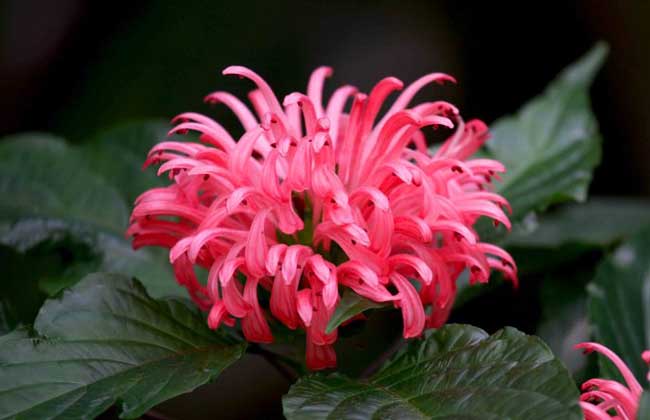
Coral flower, also known as Brazilian plume flower, is a perennial evergreen subshrub of the genus Justicia in the family Acanthaceae. Its flowers are densely arranged in short panicles, rose-purple or pink in color, and resemble coral in both shape and color, bright and elegant, making it suitable for decorating rooms. It is native to the tropical and subtropical regions of the Americas and is now cultivated as an ornamental plant. Gardens in the southern provinces and regions of our country cultivate it. Let us take a look at the cultivation methods of coral flower below!
Growth Habits of Coral Flower
Coral flower is a common potted ornamental flower in gardens, blooming in summer and autumn. The red inflorescences are especially delicate under bright sunlight. It has a long flowering period and is relatively shade-tolerant. Potted plants are very suitable for indoor decoration and arrangement. Potted plants are suitable for placement on balconies, in living rooms, bedrooms and studies, and are commonly used in gardens for cultivation and viewing along roadsides or in flower beds. Cultivation requires full sun or partial sun, and it prefers loose, fertile, slightly acidic soil, and a slightly dry or moist environment.
Propagation Methods of Coral Flower
Coral flower is commonly propagated by cuttings, generally in spring or autumn. Cut new shoots or stem segments that have not yet formed buds as cuttings, 5-8 cm long, remove the lower leaves, keeping only 2-3 leaves at the top, and insert them into a growing medium made of equal parts peat soil and coarse sand. Water thoroughly, then cover the flower pot with a plastic bag and place it in semi-shade for 15-20 days to root. After new leaves grow, they can be transplanted. The survival rate is relatively high.
Coral Flower Cultivation Methods
1. Potting: For potted coral flower, sandy leaf mold can be used, or ordinary garden soil with an appropriate amount of river sand, sawdust and cake fertilizer added, piled and fermented before use. 2-3 small seedlings can be planted in one pot at the same time, or a single seedling can be planted alone. Pinching promotes the sprouting of lower lateral buds, forming a better plant shape.
2. Light: Coral flower likes light. Apart from proper shading during the strong light of summer to avoid direct sunlight, it should receive more sunlight in spring and autumn. In northern regions, it is generally brought indoors in early to mid-October. After being brought indoors, place it in a sunny spot, stop fertilizing, and keep the pot soil on the drier side. If watered too much at this time, it is prone to leaf drop and root rot.
3. Temperature: During the wintering period, the room temperature for coral flower should be kept above 12°C. At the same time, it is advisable to spray and wash the branches and leaves once every 7-10 days with clean water close to room temperature. This can both increase air humidity and keep the plant clean, facilitating photosynthesis, which is very beneficial to its growth and flowering.
4. Watering: During the growing season, in addition to frequently keeping the pot soil moist, coral flower also needs frequent watering of the ground near the flower pot to increase air humidity. Generally, apply a dilute cake fertilizer solution once every 10-14 days, and promptly cut off the faded flowers after they wither.
5. Pruning: After the coral flower seedlings are potted and grow to a height of about 15 cm, pinch the tips to encourage more branching and more flowering. For mature plants, carry out pruning once every year in early spring along with repotting, keeping the plant height below 50 cm and promoting a full plant shape.
6. Pests and Diseases: Coral flower sometimes develops leaf spot disease, which can be sprayed with 65% zineb wettable powder at 600 times dilution. Pests include slug moths, leafhoppers and aphids, which can be killed by spraying with 10% chlordimeform EC at 2000 times dilution.